
The Longevity Lever: Luxury Hospitality Wellness & Longevity in Hotels
Close the wellness gap in luxury hospitality. Discover strategies to integrate longevity in hotels, elevate guest experience, and boost brand value.
Executive Summary
In luxury hospitality wellness, what once felt unique has become a baseline. Nearly every luxury hotel now promises wellness, yet many deliver experiences that feel generic rather than transformative. The gap between what brands promise and what guests actually experience has become the Wellness Gap.
At the same time, longevity in hotels has emerged as the next chapter in wellness. Longevity is rooted in credible science, it is aspirational, and it aligns with the priorities of today’s high end hotel guest experience. The 2025 Global Wellness Summit elevated longevity as a defining theme. The global wellness market reached 6.3 trillion dollars in 2023 and is projected to approach 9 trillion dollars by 2028. Wellness tourism alone is forecast to approach 1.35 trillion dollars by 2028. Guests are no longer satisfied with relaxation alone. They want measurable outcomes that fit their long term goals for health, performance, and quality of life.
Through proprietary research and hands on work shaping hospitality brand strategy at Billy Richards Consulting, I developed the Longevity Lever. It is a practical framework that helps hotels integrate longevity principles into brand, programming, and the guest journey without becoming a clinical facility. It elevates wellness from soft marketing language to credible interventions, clear communication, and proof of impact.
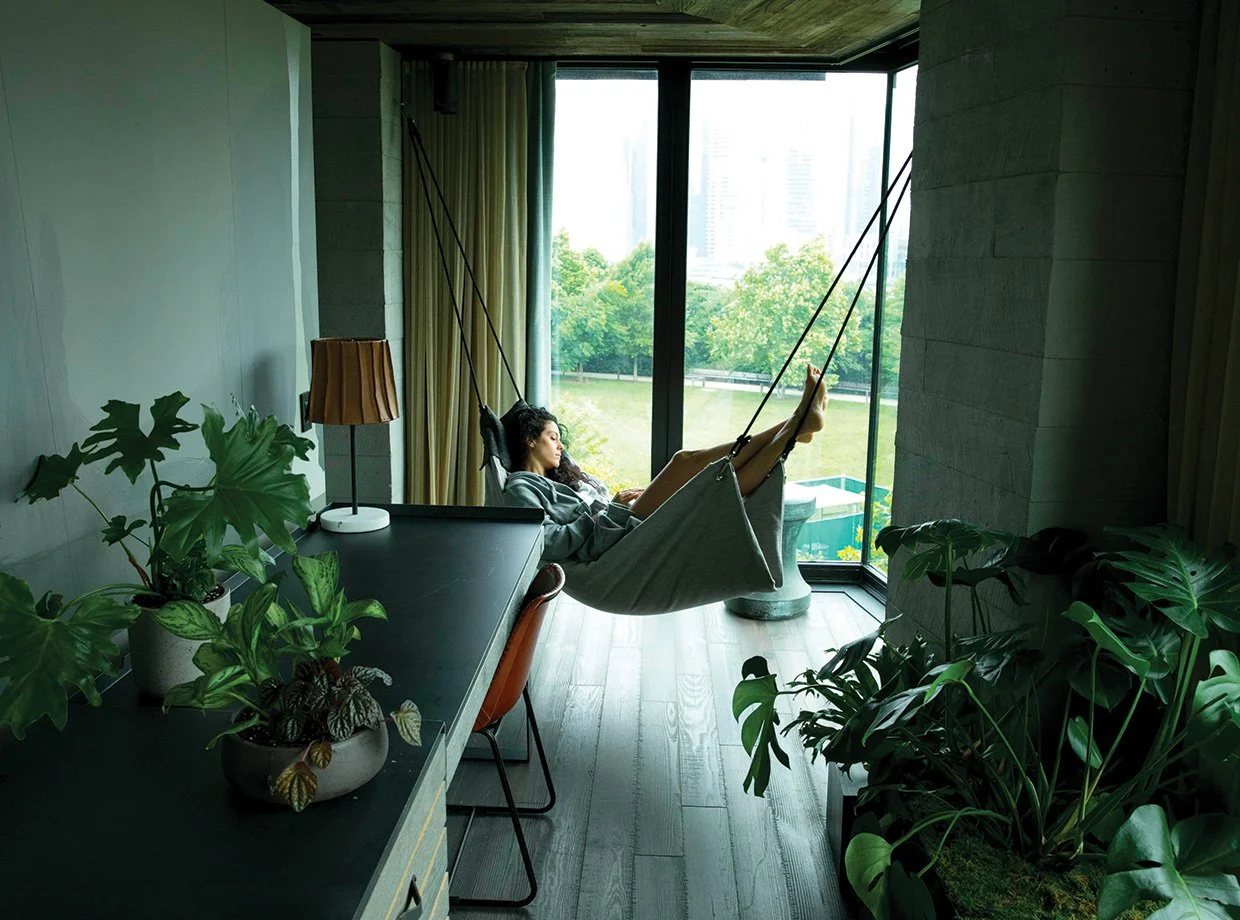
Luxury wellness hotel suite with circadian lighting and a calming design amidst the business of NYC.
The Credibility Challenge in Luxury Hospitality Wellness
A decade ago, a beautiful spa, an upgraded gym, and a yoga deck felt progressive. In 2025 many properties still rely on those same elements, packaged in new language that promises holistic journeys and transformation. The language moved forward. The actual experience did not move far enough.
Guests have changed. Today’s luxury traveler monitors sleep scores, follows personalized nutrition, and seeks performance optimization. They expect luxury hospitality wellness to deliver outcomes they can feel and understand. They want clarity on why a program exists, how it works, and what it is designed to improve.
In my work directing hospitality innovation and creative direction, I have seen the difference that substance makes. When wellness is integrated into the DNA of a property, guests stay longer, spend more, and become advocates. When it is superficial, guests notice within minutes. The Wellness Gap is not a copywriting issue. It is a strategic risk that erodes trust and eventually revenue.
Market Context for 2025
The conversation has shifted from spa menus to healthspan. Longevity now frames many of the most compelling moves in luxury wellness. Six Senses Ibiza runs a Young Forever retreat that blends functional medicine with lifestyle design. Amanzoe in Greece introduced a Building Resilience program guided by elite performance voices. Soneva Fushi’s Soul Festival brings community, mindfulness, and science into one experience. SHA Wellness Clinic and new entrants are popularizing medical vacations where a guest pairs luxury travel with diagnostics, nutrition planning, and targeted therapies. These are early signals of where wellness trends in luxury hotels are heading.
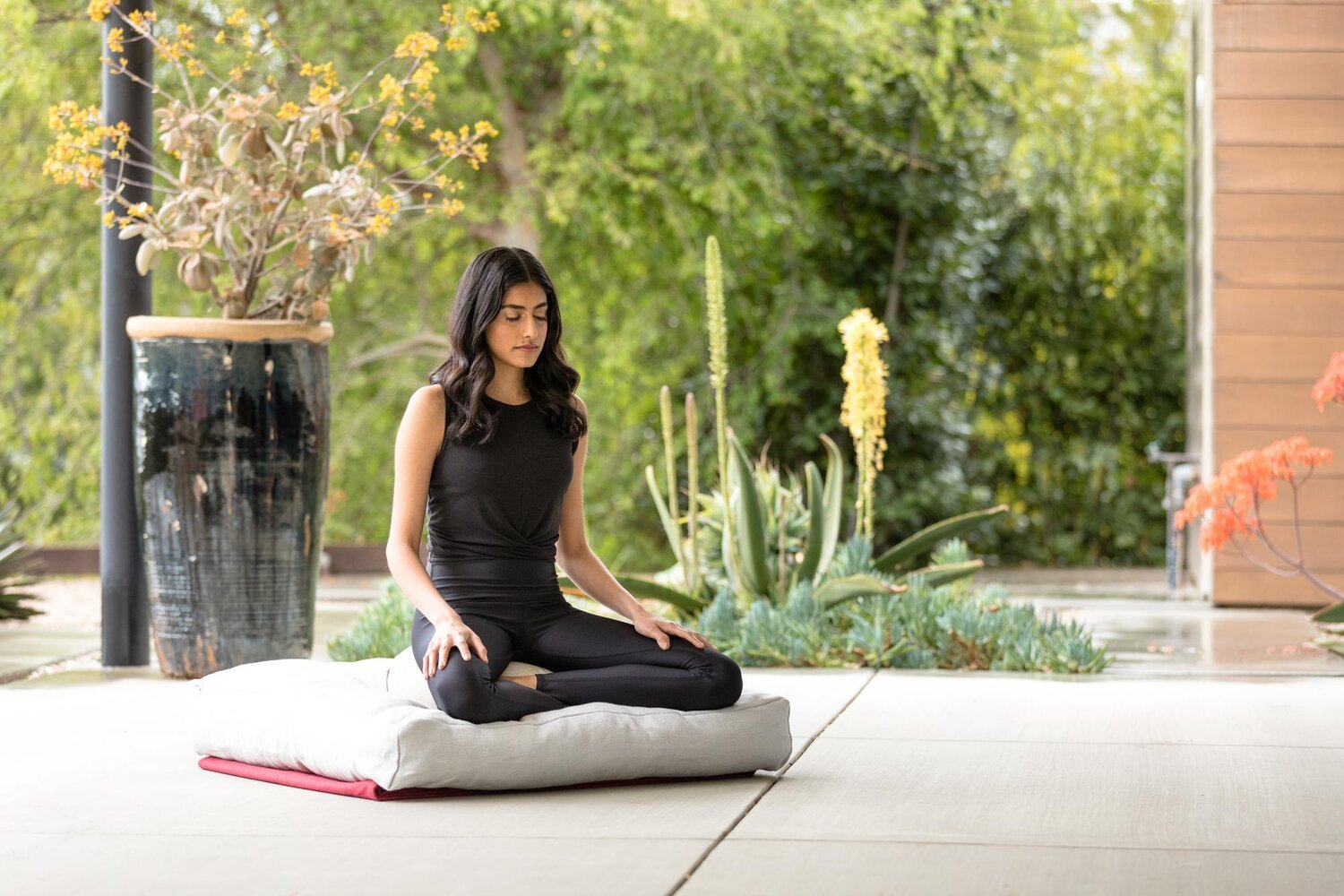
Luxury hotel guest in outdoor wellness session focused on calm and longevity
Technology is lifting the ceiling. DNA based insights inform food and recovery choices. Rooms respond to sleep behavior with circadian lighting and quiet air. Recovery lounges combine oxygen therapy, light therapy, and guided breath work with wearable feedback. Sustainability and wellbeing are converging through water wise hydrotherapy, air and water purification, and material choices that reduce stressors in the built environment. Families now ask for multigenerational programming that is inclusive and credible for everyone from teens to seniors. The expectation is simple. A luxury stay should make life feel better now and set a guest up to feel better later.
The Wellness Gap: What Our Research Found
To move beyond impressions, we analyzed twenty four leading luxury hotel brands. We scored each brand on two dimensions. The first was wellness positioning, which evaluated how clearly and credibly the brand communicates wellness in its public narrative. The second was market sentiment, which looked at what guests, media, and industry peers actually say about the experience.
Three brands consistently delivered on what they promised. Most underperformed, with an average shortfall of about eight points between message and perception. In the worst cases the gap reached fifteen to twenty points. Language analysis showed luxury hotels were more than three times as likely to use vague phrasing than specialist wellness operators. The term longevity appeared only thirteen times across all twenty four brands, and ten mentions came from a single brand.
One pattern stood out. Brands that were clear and precise in their public language tended to deliver better on property, even when the offer was modest. Brands that relied on poetic generalities often disappointed when guests arrived. The lesson is simple. Precision in language correlates with precision in delivery, and precision in delivery builds trust.
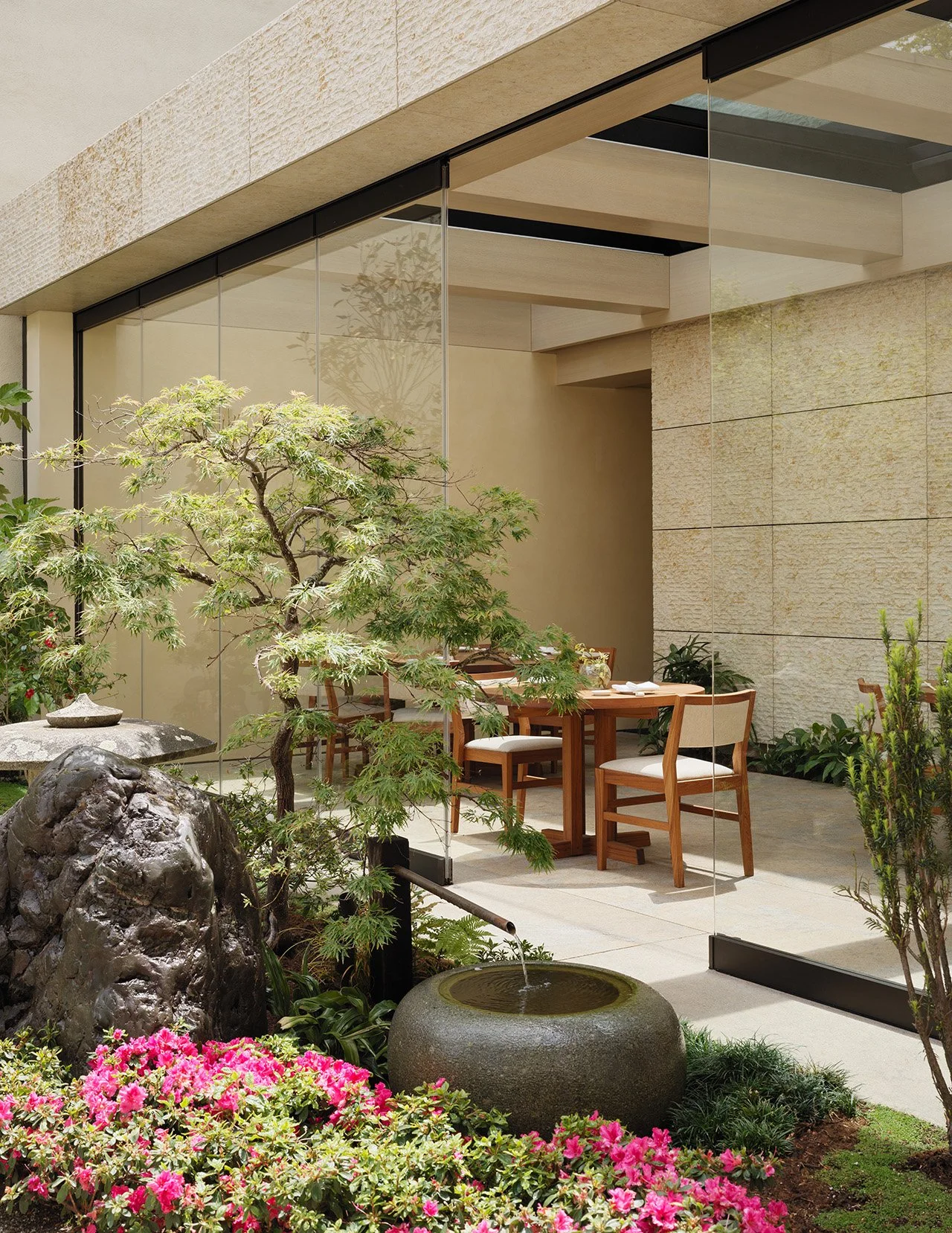
Wellness is marketed as a cornerstone, yet our findings show guest sentiment lags far behind, a delta of nearly thirty percent.
Why Longevity in Hotels is the Next Chapter
Longevity is not a fad. It is a cultural shift supported by credible science and real consumer demand. High net worth travelers already invest in genetic and epigenetic testing, regenerative medicine, personalized supplementation, and performance diagnostics. They want to feel better now and remain healthy for decades. A hotel that supports those goals becomes more than accommodation. It becomes a trusted partner with a meaningful role in a guest’s life.
This does not require a hospital inside a resort. Hospitality has an advantage that clinics often lack. Hotels can deliver credible interventions inside emotionally resonant settings. They can design rooms, rituals, and service touchpoints that reduce friction and stress. They can invite guests into a narrative that feels inspiring rather than clinical. When the program is clear and the proof is visible, the result is loyalty that advertising cannot buy.
Parallels from My Work
In my own projects I have combined outcomes and culture. For a high profile rebrand we shifted from passive spa services to a program that intertwined diagnostics, chef led nutrition, movement, and live cultural activations. Guests did not just relax. They progressed. That shift generated higher average daily rate on wellness packages, stronger review scores, and a richer brand story that earned coverage beyond travel media.
The same approach applies to longevity. Precision intake leads to a personal plan on day one. The culinary team supports the plan with anti inflammatory, nutrient dense menus. Suites are engineered for sleep quality with circadian lighting and clean air. Recovery and performance are supported in a calm, design forward space that encourages use. The guest leaves with a clear summary of progress and a lifestyle plan that extends beyond the stay. The program feels generous rather than clinical because the design signals hospitality first and science in support.
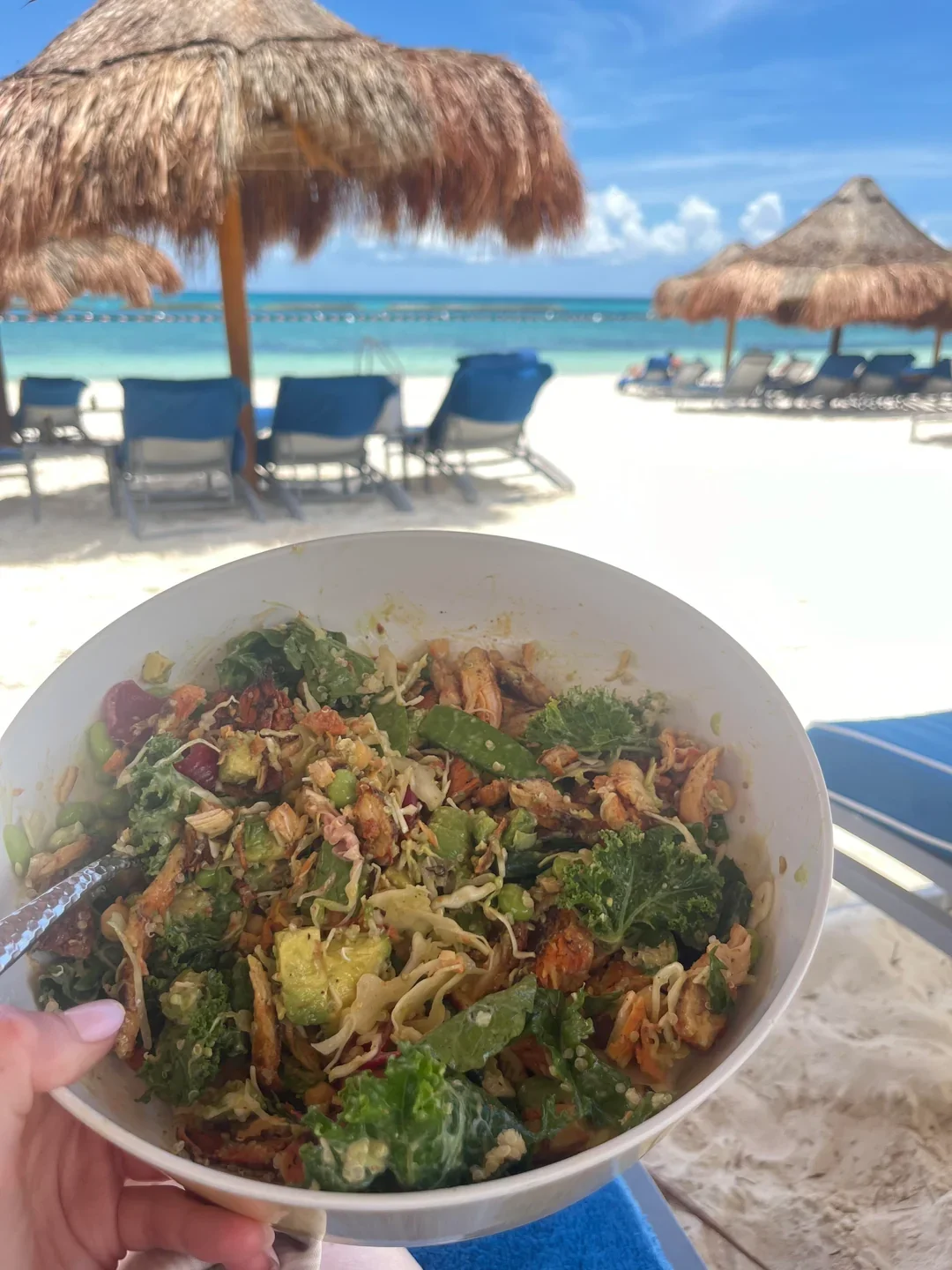
A nutrient-dense longevity menu at the Fairmont Mayakoba resort
The Longevity Lever: A Framework Hotels Can Use
The Longevity Lever aligns credibility with experience. It rests on three ideas.
First is modularity. Start with focused enhancements that layer into existing wellness and scale as the team gains confidence. Second is evidence based design. Build every element on credible research and explain it simply. Third is experience integration. Keep the art of hospitality at the center so the program feels elevated rather than clinical.
Pillar One. Modularity in Practice
Begin by weaving longevity into what already exists. Adjust room environments for better sleep with circadian lighting, clean air, and sound control. Introduce nutrient density in dining through clear labeling and chef led education without compromising flavor or style. Offer gentle diagnostics that inform a simple plan. Test recovery rituals in the spa that are easy to deliver yet meaningful to guests. Pilot a monthly residency with a respected practitioner. Each small move builds capability and credibility without overwhelming the operation. Once the team is confident, link these moves into named pathways that guests can understand and book.
Pillar Two. Evidence Based Design
Guests respond to clarity and proof. Select interventions with a research basis and translate that science into straightforward language that avoids jargon. Focus on sleep quality, movement quality, and metabolic health since these areas respond quickly to good practice and are easy to explain. Build menus with clear nutritional intent and visible freshness. Use technologies that simplify rather than complicate the stay. Train staff to explain the why with confidence and provide a short script that keeps the tone warm and human. When the science is sound and the story is clear, trust grows and participation deepens.
Pillar Three. Experience Integration
Longevity should feel like part of the property’s character. Design touchpoints that are beautiful and intuitive. Replace clinical white with calm natural materials and local craft. Allow the program to appear in moments rather than banners. A slow tea ritual in the lobby. A five minute breath practice on the in room tablet. A walk route card that links art, nature, and sunlight. Small signals add up to a sense that the hotel supports a healthier way to live without asking the guest to work for it.
Six Steps to Activate the Longevity Lever
Step One. Integrate Longevity Across the Property
Longevity should appear everywhere a guest touches the brand. Rooms use circadian lighting, air and water purification, and material palettes that calm the nervous system. Corridors and lounges invite gentle movement with cues and micro rituals. Menus highlight nutrient density and metabolic balance without sounding medical. The lobby can host a longevity lounge that offers hydration, guided breath work, and a brief intake that helps guests choose ideal activities. Public art can double as movement prompts and sunlight moments that encourage natural rhythms.
Step Two. Focus on High Impact and Low Complexity
Build early wins that prove value without heavy infrastructure. Sleep optimization is the simplest lever. Combine bedding quality, environmental controls, and sound masking with a short evening ritual that encourages downshift. Add recovery therapies such as infrared sauna or light therapy where appropriate. Offer a basic assessment that guides personalized supplementation or nutrition. Hotels that launched a sleep track often saw a rise in wellness package bookings and stronger guest satisfaction because guests could name the benefit they felt the next morning.
Step Three. Partner with Credible Experts
Partnerships accelerate trust. Bring in visiting practitioners for weekly or monthly residencies. Offer consults through telehealth for guests who want depth without clinical buildout. Host biohacking or performance workshops that combine education with practice. Choose partners who communicate clearly and respect the spirit of hospitality. A hotel does not need to compete with clinics. It can collaborate and win by curating the most credible and warm experts for its audience.
Step Four. Train Every Guest Facing Team
Longevity is a philosophy that only works when it reaches every touchpoint. Spa therapists should understand the why behind each protocol. Chefs should know how menus support common goals like inflammation reduction or gut health. Housekeeping can personalize room settings to support sleep and recovery. Concierge can thread the program through each day so the guest’s plan stays simple and enjoyable. Sales and events teams can align packages with longevity principles for groups and retreats. When the whole team is aligned, the program feels natural rather than forced.
Step Five. Measure and Communicate Outcomes
Proof builds trust. Use simple and non invasive ways to track progress. Collect guest reported outcomes such as sleep quality, energy, and mood. Integrate optional wearable data for guests who opt in. Offer a short follow up after departure that summarizes improvements and provides a practical plan for the next month. Visualize anonymous results over time and share them in staff briefings so the team sees the impact of their work. This practice builds pride internally and credibility externally.
Step Six. Use Clear and Precise Language
Replace poetic vagueness with straightforward explanations. Tell guests what the program includes, why each element matters, and what results are realistic. Clarity signals respect. It also improves conversion. Guests choose what they understand and they share what they can explain to others.
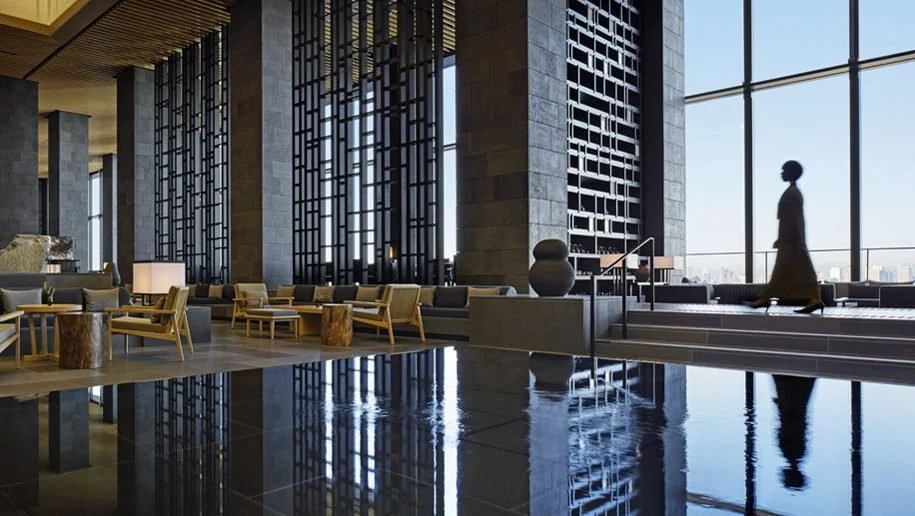
A calming water pond in the Aman Tokyo lobby
Program Archetypes That Work
Hotels can launch longevity in several archetypes that fit their market and resources. A recovery lounge focused on sleep and stress that combines light therapy, oxygen support, and guided breath in a quiet space. A culinary led program where each outlet offers a longevity track that maintains full flavor while improving nutrient density and metabolic balance. A movement and nature track that turns the grounds into a daily practice with sunlight, walking routes, and gentle strength coached by staff who know when to step back and let the environment do the work. A diagnostics pop up delivered by a partner off property with pre arrival and post stay integration so the hotel remains the emotional home of the journey.
Financial Model and Pricing Considerations
Longevity supports premium pricing when value is clear and outcomes are visible. A room that meaningfully improves sleep can command a higher rate when the promise is credible and the proof is easy to understand. Packages that bundle diagnostics, culinary, and recovery create visible worth for couples and families. Membership models extend revenue between stays with virtual check ins, digital support, and preferred access to residencies. Group business can be reframed around leadership resilience, creative performance, and team recovery. The more a property can connect a program to a result that matters in a guest’s life, the stronger the pricing power.
Risk, Compliance, and Guest Safety
Longevity should never outpace governance. Work with legal counsel to define what can be offered under local regulations. Keep invasive interventions off property unless you have the appropriate licenses and medical oversight. Choose partners who carry proper insurance and clear protocols. Build consent and privacy into every intake and keep data storage simple and secure. When the boundaries are respected, longevity feels safe, calm, and trustworthy.
Sustainability and Inclusion
Longevity and sustainability reinforce one another. Clean air, clean water, natural light, and restorative materials are better for people and the planet. Source ingredients responsibly and celebrate local producers. Reduce waste in packaging and spa consumables. Design programs that welcome a range of ages, bodies, and abilities so that longevity is not a niche for the athletic few but a philosophy for every guest. The most enduring brands serve widely while feeling exquisitely personal.
Case Study Concept: Longevity Immersion Weekend
A three day Longevity Immersion Weekend can showcase the program and create a signature moment for the brand. Guests begin with a concise intake that guides a personal plan. Mornings feature targeted movement adapted to individual needs with gentle strength, mobility, and sunlight exposure. Midday brings a chef led workshop on nutrient dense cuisine with practical takeaways and a tasting menu that reinforces learning. Afternoons include recovery, breath work, and quiet time in nature alongside optional diagnostics delivered by vetted partners. Evenings focus on sleep quality through ritual, environment, and guidance that meets guests where they are.
To amplify impact, build pre arrival and post departure touchpoints. Send a welcome brief that explains the plan and sets expectations with warmth. Offer a gentle taper in the week after departure so gains hold. Invite guests back for the next seasonal edition with a fresh theme such as metabolic spring, cognitive clarity, or circadian reset. Over time the event becomes a pillar of the brand calendar and a magnet for press and partnerships.

A midday meditation and breathwork solo session
Measurement and KPIs
Define what success looks like before launch. Track sleep quality improvements in rooms with upgraded environments and share the aggregated results in staff briefings. Track participation in daily rituals and residencies to understand what guests actually use. Track program revenue per occupied room and per guest so you can see the value of the layer, not just the spa. Track sentiment in reviews and social media with a focus on words that signal trust, clarity, and impact. Track repeat visit intent at checkout and again at the thirty day follow up. When the numbers move together, the story becomes easy to tell inside the organization and outside in the market.
Implementation Roadmap
Phase one focuses on strategy and quick wins. Define the narrative, the guest promise, and the measurement plan. Pilot sleep quality upgrades in a subset of rooms. Add a lobby lounge ritual and a nutrient dense menu track that the culinary team is proud to serve. Run one expert residency to test demand and operations and collect lessons learned.
Phase two scales what works. Expand room upgrades, build a regular cadence of residencies, and add a small set of diagnostics that fit the local regulatory context. Introduce a quarterly immersion weekend and an annual signature event that attracts press and partners. Strengthen training so that longevity language appears naturally in guest conversations across departments. Align sales, marketing, and operations around a shared calendar of program moments.
Phase three deepens loyalty and revenue. Launch a membership or passport that gives frequent guests a personalized plan, preferred booking for residencies and events, and digital support between stays. Partner with aligned brands in nutrition, recovery, or apparel to create tasteful product moments that serve the guest rather than distract. Build a small advisory circle of experts who meet quarterly to keep the program credible and current and to guide ethical practice as the field evolves.
Throughout all phases, maintain rigorous training, precise communication, and a commitment to measurement. The details are what turn a concept into a reputation that endures.
Looking Ahead to 2026 and Beyond
The longevity conversation will expand from special trips to daily life. Hotels that lead now will become hubs in their communities, hosting education evenings, brand collaborations, and research partnerships that advance the field. Personalization will deepen as technology becomes quieter and more intuitive. The most successful properties will feel both sophisticated and simple. They will deliver genuine improvements without noise or friction. They will feel like places where life gets better in visible and lasting ways.
Conclusion: Close the Wellness Gap with Credibility and Design
Wellness as a marketing hook has matured. Longevity is the modern benchmark for credibility, relevance, and leadership in luxury hospitality wellness. The Longevity Lever gives hotels a modular and practical way to integrate longevity into the high end hotel guest experience. It respects the art of hospitality while bringing the science and clarity that discerning guests expect.
Properties that move now will shape the category in 2025 and 2026. They will claim first mover advantage, set pricing power, and become the names guests trust. The choice is simple. Lead this shift or follow it later at a higher cost.
If you are exploring how to integrate longevity into your hospitality brand strategy, Billy Richards Consulting would be glad to support. Together we can design experiences that inspire, that deliver measurable results, and that build enduring value for your guests and your business.
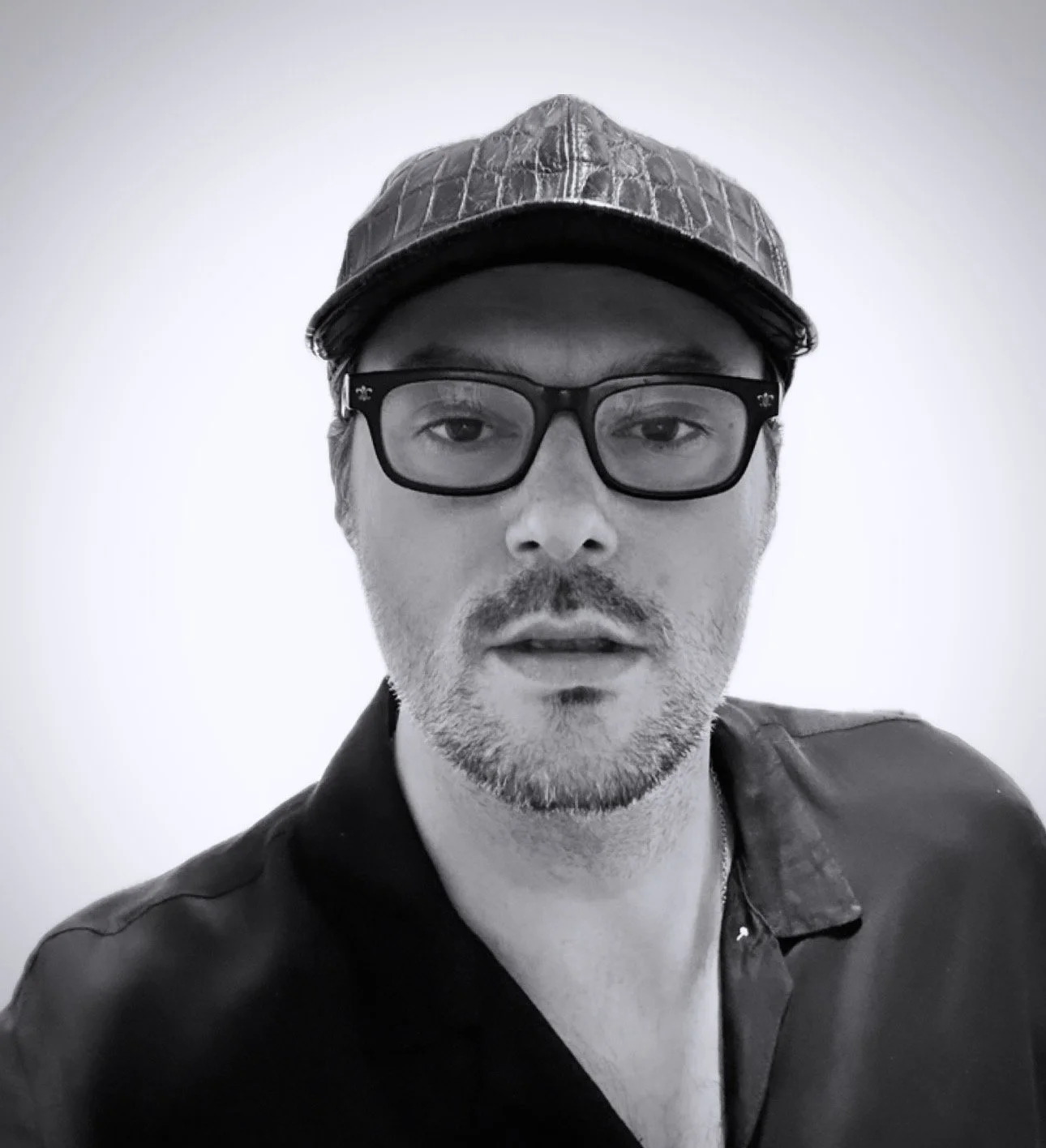
Written by Billy Richards
To learn more, contact:
