The Future of Guest Experience: Eight Hospitality Trends Defining 2025
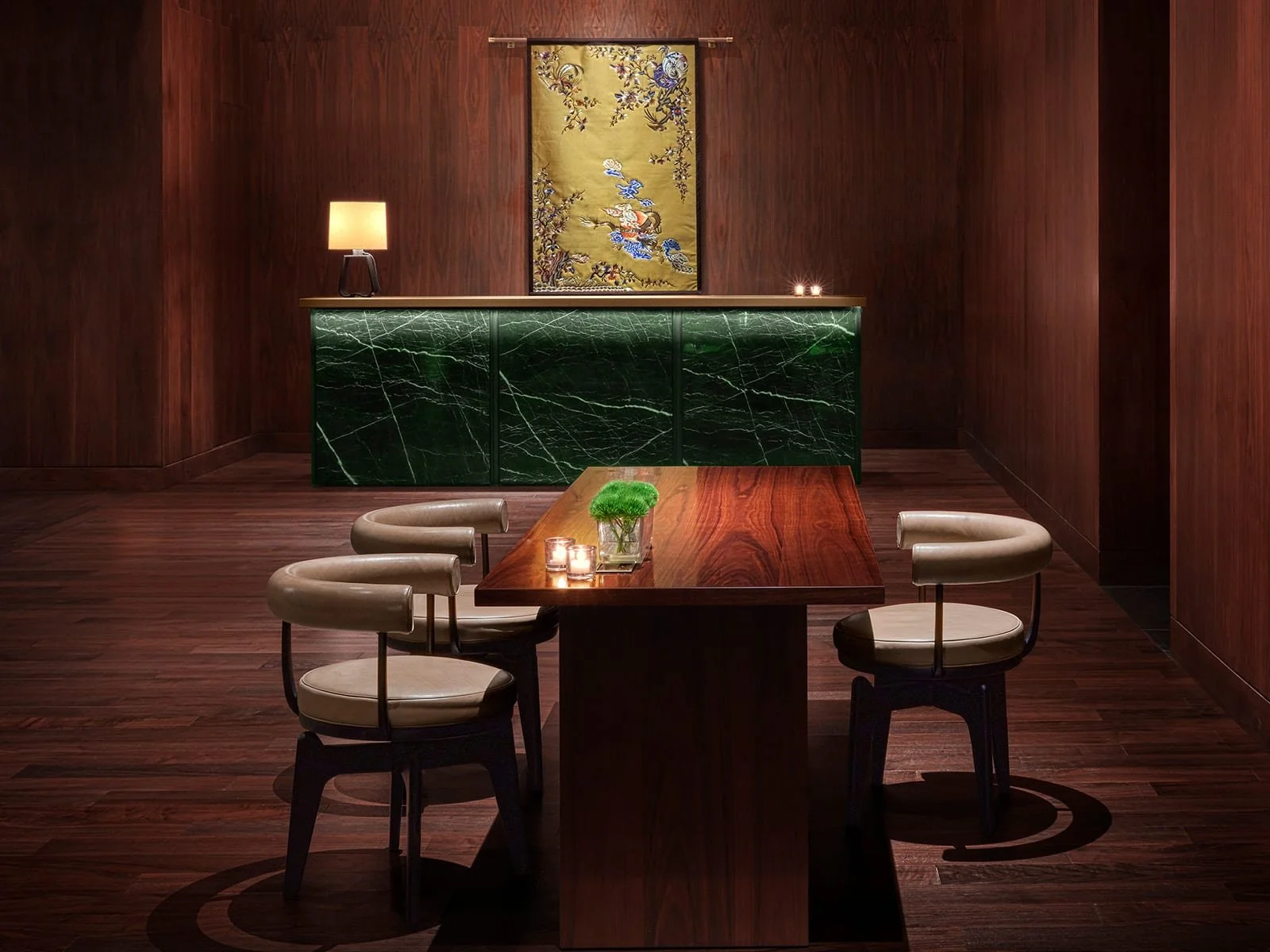
A grand yet modern luxury hotel interior bathed in warm light, featuring bespoke furniture and curated art.
Introduction: Hospitality in the Age of Expectation
Luxury hospitality has entered a new era. Guests expect the speed of a premier delivery service, the personalization of a streaming platform, and the elegance of classic service all in a single stay. In this climate, patience is short and competition is global. The winners are brands that treat innovation as an amplifier for human connection rather than a replacement for it. The strongest properties court culture, design, and technology with equal fluency. They orchestrate the full journey from the first search to the final follow up, and they do so with clarity, confidence, and care.
Billy Richards Consulting works with luxury hotels, lifestyle resorts, and forward thinking hospitality groups to bridge this divide. The consultancy shapes brand narratives, elevates guest experience, and aligns internal culture so that every touchpoint delivers meaning as well as beauty. What follows is a view of eight trends that are defining 2025 and a practical lens on how to translate them into growth. The purpose is simple. Help leaders move from trend awareness to measurable advantage while preserving the grace and nuance that make hospitality special.
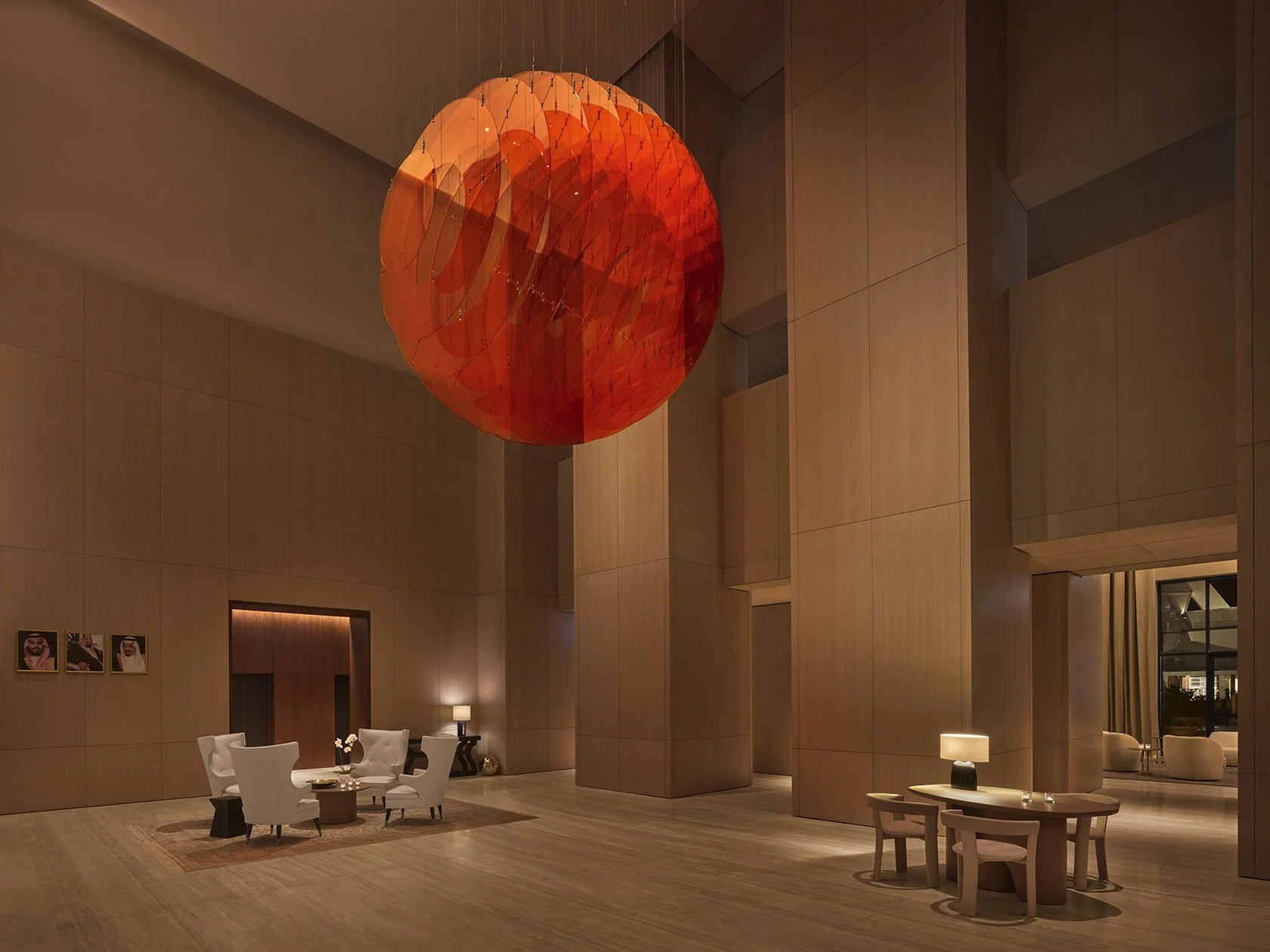
Luxury hotel entrance that signals welcome and ease.
One. Hyper Personalization Moves Beyond Names and Preferences
Personalization once meant a welcome card and a remembered drink order. In 2025 it means anticipatory care across the full journey. Properties are unifying guest profiles across reservations, front office, culinary, spa, and loyalty. With that foundation, artificial intelligence can surface timely suggestions and human teams can deliver them with discretion. In practice this looks like climate, scent, and lighting set to a guest profile before arrival. It looks like a culinary team that quietly steers menus toward needs such as low inflammatory choices or mindful sugar. It looks like a spa therapist who greets a guest by understanding recent travel strain and time zone effects without an awkward intake.
This is not surveillance. It is hospitality that remembers and responds. The difference is tone and training. Data is a prompt. People are the delivery. The property that blends both builds trust and lifts average spend because guests feel understood rather than managed.
What this means for hotels. First, unify data. Second, design soft scripts that help teams offer without pressure. Third, define clear privacy choices and state them in plain language. Personalization works best when it feels like a gift, not a task.
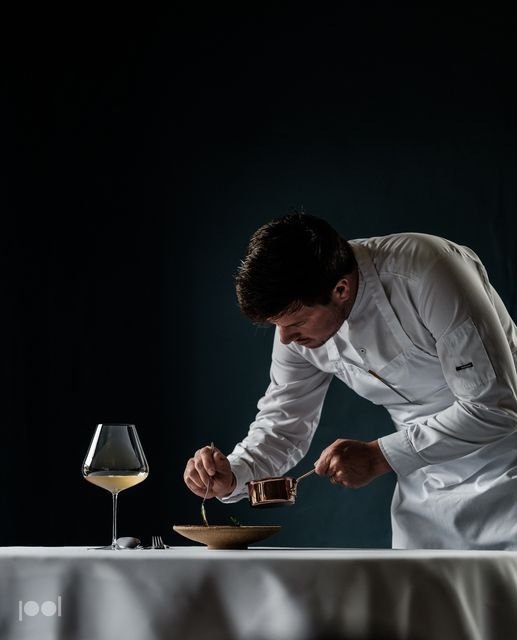
Curated guest experiences elevated through expert knowledge and personal connection in a luxury hotel setting.
Two. Hotel Retailing Becomes Experiential
Retail in hospitality is moving from shelf to story. The most interesting properties now curate items that extend the memory of a stay. A robe that fits beautifully and wears well at home. A signature scent created with a respected perfumer. Small batch ceramics by a local maker that mirror tableware in the restaurant. Suites become shoppable settings where guests can scan a discreet code to save or order the pieces they loved.
This is not a gift shop by another name. It is brand expression that guests can live with, and it is a real revenue stream when it is done thoughtfully. The key is curation and restraint. Selection should be tight, materials should feel honest in hand, and packaging should be quiet and responsible.
What this means for hotels. Curate with a point of view. Build a clean digital flow that allows in room discovery. Train teams to speak about the story of each object. Treat retail as a form of hospitality rather than a sales counter.

Curated hotel retail that extends the brand into daily life.
Three. Artificial Intelligence as the Quiet Concierge
Artificial intelligence is now a practical layer that ties operations together. It forecasts demand with more precision. It helps teams plan labor. It translates menus and service notes for international guests in a way that reduces friction. It powers itinerary planning that considers weather, energy, and local events. When combined with a trained and confident team, the result is a sense of flow that guests notice within minutes.
The aim is invisible help. No one travels for a robot. They travel for restoration, romance, discovery, and a sense of belonging. Artificial intelligence should clear the path so the human moment can shine. It can also lift revenue by suggesting relevant upgrades, activities, and table times that match a guest profile, always with an easy way to decline.
What this means for hotels. Map the journey and place artificial intelligence where it removes friction. Give teams clear guidelines about when to step in and when to step back. Review recommendations weekly and tune them to your specific audience, not a generic traveler.
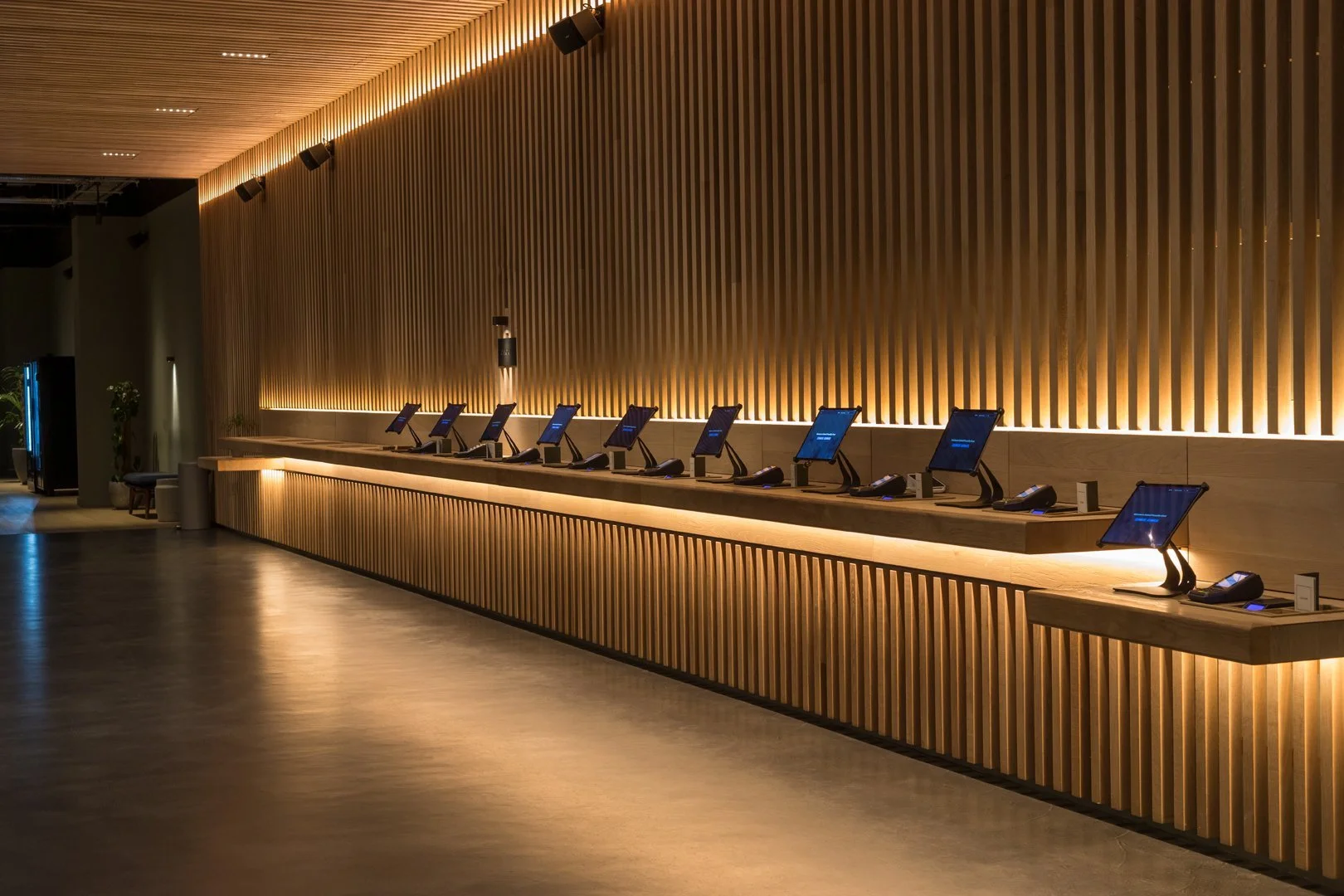
Artificial intelligence tools delivered at the point of check in.
Four. Flexible Payments Redefine Booking and Spend
Payment experience now shapes brand perception. Luxury travelers expect the ease they feel in fashion and technology retail. The properties that lead in 2025 offer a range of secure options such as pay in installments for villas and longer stays, digital wallets for quick on property purchases, and one touch rebooking for returning guests. Flexible models reduce friction, support higher average booking values, and meet the expectations of younger affluent guests who plan travel as part of a broader lifestyle budget.
This is also about tone. A thoughtful payment flow respects privacy, avoids friction at the desk or the table, and removes anxiety at check out. When guests feel the flow is modern and fair, they are more open to trying add ons and upgrades.
What this means for hotels. Choose a trusted fintech partner. Align payment options with loyalty logic and promotion windows. Train teams to present choices calmly, with the same care they would bring to a wine list or a wellness menu.
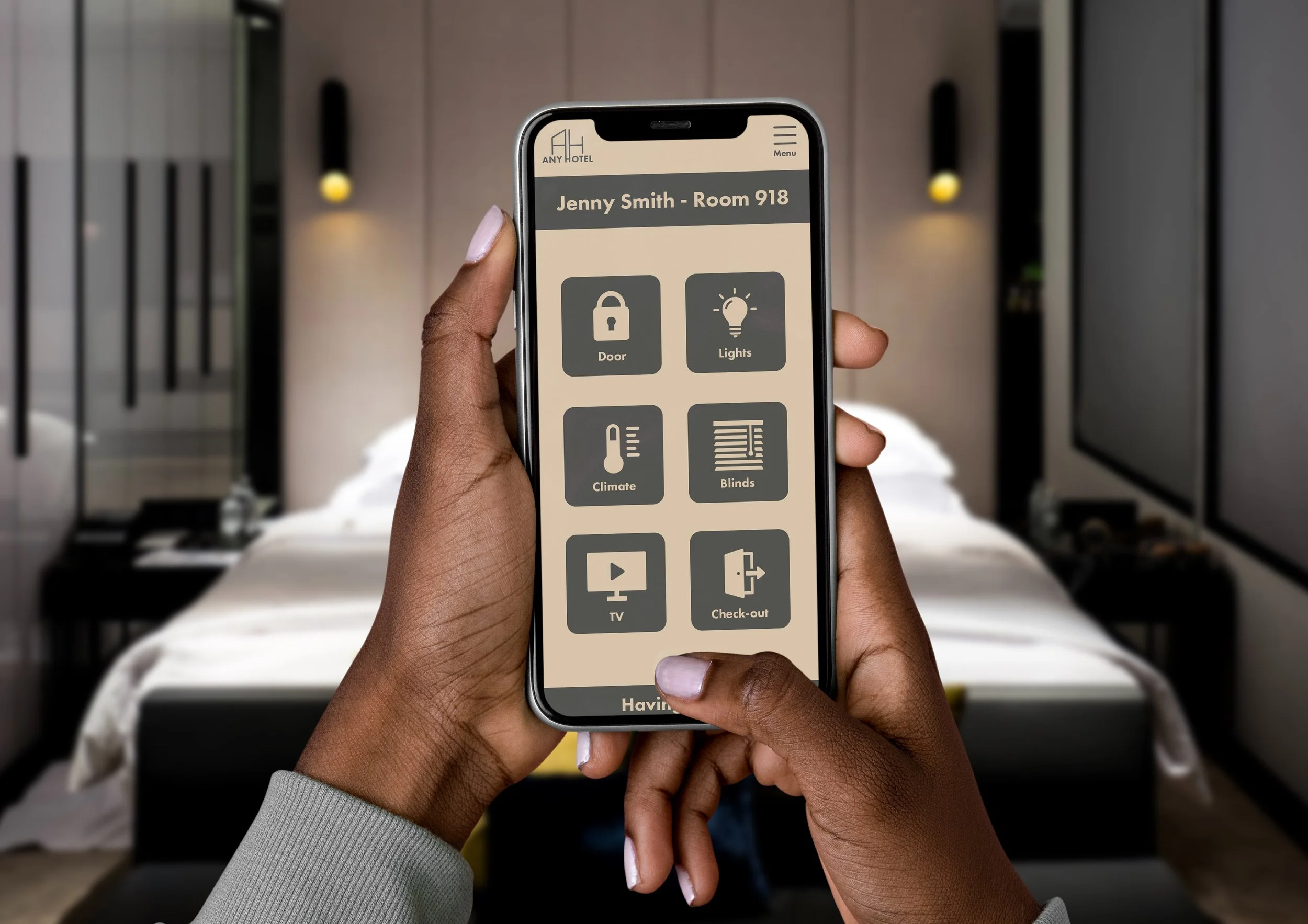
Contactless automation of the guest journey and experience. From room control to payment options built-in.
Five. The Blurred Line Between Hospitality and Lifestyle
The most compelling properties in 2025 are cultural stages. They host small exhibitions with local artists. They program resident chefs and visiting winemakers. They invite interesting voices to share music, design, and ideas. They do this with editorial restraint and a sense of occasion. Guests and locals mingle in spaces that feel both intimate and special. The hotel becomes a place to be part of the city rather than a place to watch the city pass by.
Cultural programming is not noise. It is a loyalty engine. When experiences feel aligned to the brand’s sensibility and to the audience, they create stories that travel. They drive press in ways that pure advertising rarely can. They give guests a reason to return that has nothing to do with a discount and everything to do with identity.
What this means for hotels. Appoint a curator. Build a small calendar that favors quality over volume. Capture each moment with beautiful images and share them thoughtfully across digital channels so the story continues after the night ends.
Six. Wellness Without the Cliché
Guests now expect wellness to be integrated rather than performative. They want rooms that support sleep with clean air, soft sound control, and natural materials. They want movement that meets them where they are, from quiet mobility classes to guided trail walks. They want menus that are generous in flavor and mindful in composition. They want a spa that can help them recover from a long flight and return to work clear and focused.
The most respected properties treat wellness as a design and operations principle. Housekeeping sets a room with circadian light and natural scent before arrival. Culinary teams label nutrient dense choices without preaching. Spa teams build recovery rituals that feel calm and modern. The result is a guest who feels better during the stay and carries better habits home.
What this means for hotels. Start with sleep. Add simple recovery tools such as infrared, contrast therapy, and guided breath when appropriate. Educate teams gently so the language is clear and inviting. Measure guest reported outcomes and share them internally to build pride.
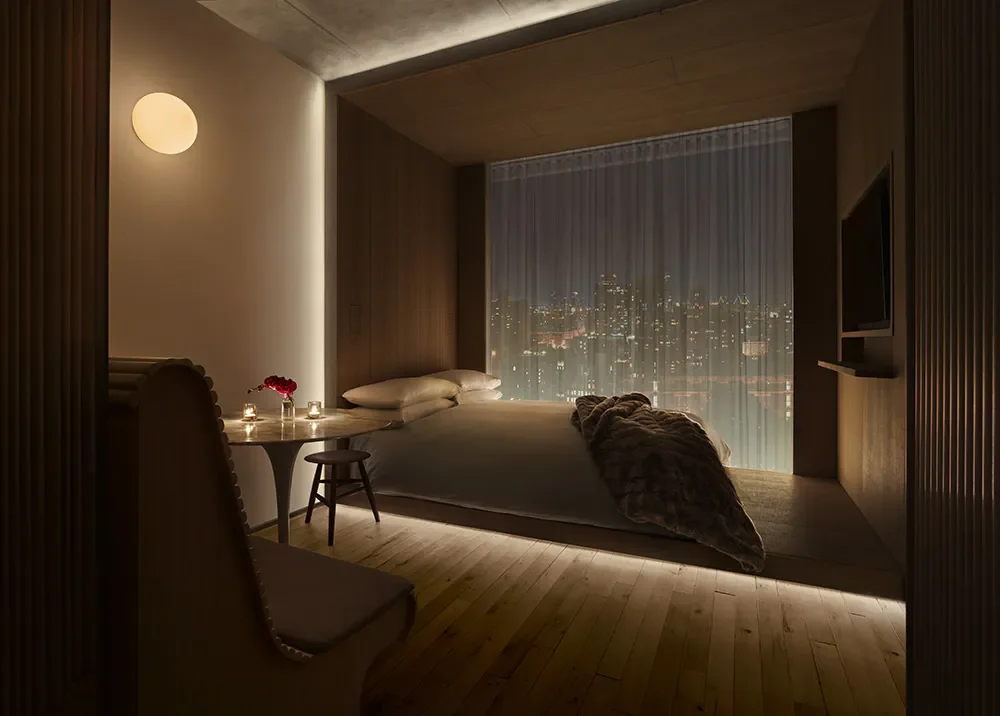
Sleep friendly room design that supports rest and recovery.
Seven. Sustainability Becomes a Marker of Taste
Responsible practice is no longer a background statement. It is a marker of sophistication that guests notice and talk about. The properties that lead in 2025 show their work. They tell concise stories about water stewardship, energy use, material selection, and local supply. They build gardens that feed the kitchen with herbs and greens. They partner with regional makers and farmers and credit them on menus and displays. They design for longevity rather than novelty.
Sustainability and beauty are now co equal. A room that breathes and a plate that speaks of place both feel luxurious because they acknowledge care. This is not about sacrifice. It is about excellence expressed through thoughtful choices.
What this means for hotels. Choose two or three areas to lead rather than attempting everything at once. Make them visible without shouting. Teach teams to tell the story in a sentence or two and then return to the guest.
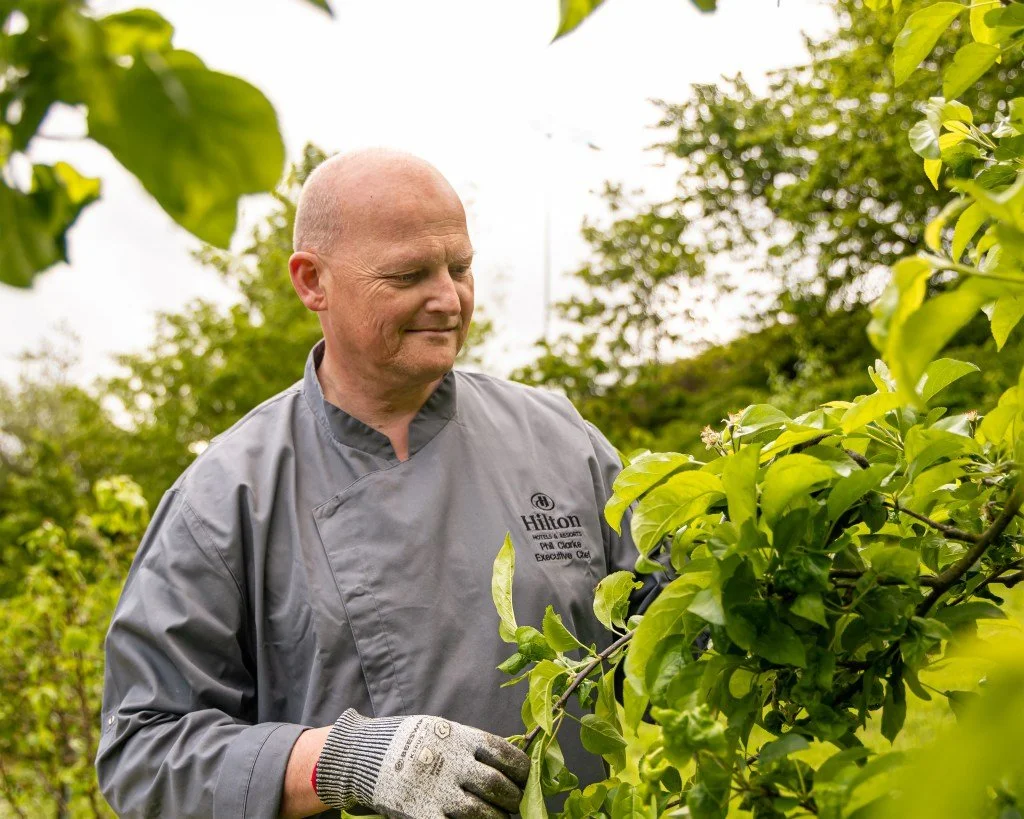
On site garden that supports seasonal menus and local supply.
Eight. Seamless Tech Human Integration
The last and perhaps most important trend is the art of balance. Guests want mobile keys, instant requests, and real time confirmations. They also want to be seen and welcomed by a person who cares. The most elegant properties use technology to remove friction and then step back so the human relationship can carry the moment. Check in can be fast and still feel personal. Room requests can be digital yet answered by a staff member who appears at the door with warmth.
This balance shows up in design as well. Screens are quiet and tucked into architecture. Notifications are gentle. The digital layer fades as quickly as it is needed. The guest remembers the feeling, not the interface.
What this means for hotels. Map the journey and decide which moments are best served by people and which by tools. Train teams to move comfortably between both. Review the flow seasonally so that small updates keep the experience fresh.
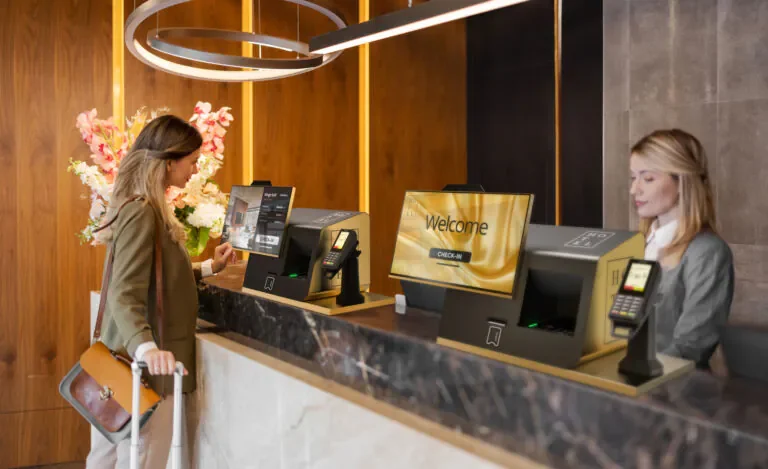
Technology quietly supports service so people can focus on their welcome.
Macro Forces Shaping the Landscape
Three forces are shaping these shifts. First is generational change as younger affluent travelers become a core audience with different expectations for clarity, inclusion, and cultural fluency. Second is the convergence of industries as hospitality borrows from retail, fashion, wellness, and entertainment and learns to curate rather than simply provide. Third is the acceleration of artificial intelligence and data which is turning prediction into a daily practice. The properties that understand these forces and respond with taste and precision will feel current without chasing every headline.
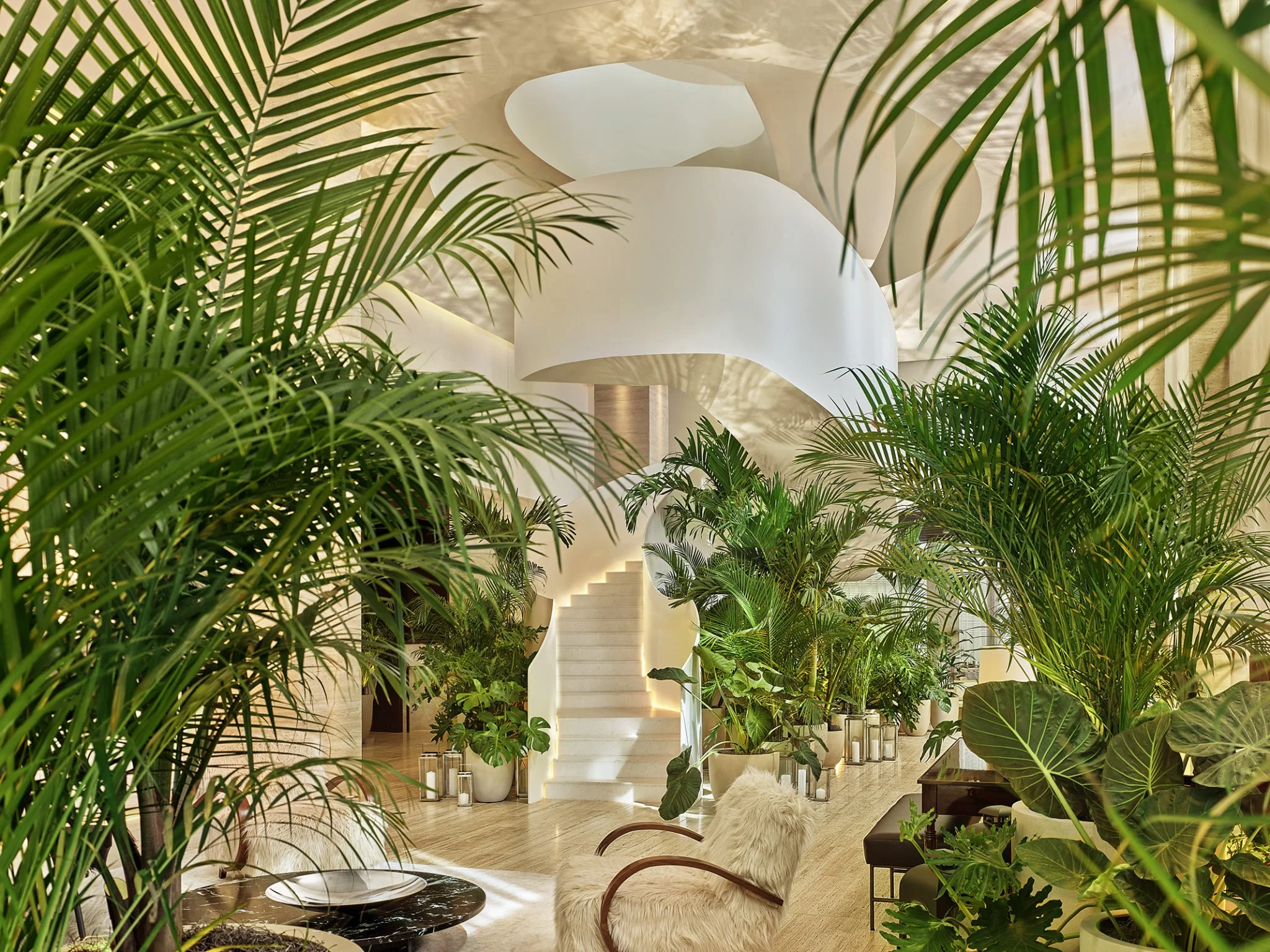
Contemporary hospitality touchpoints that reflect nature, culture, and care.
From Insight to Execution: An Implementation Guide
Clarity beats volume. Choose a tight set of moves and do them beautifully. Begin with an audit of brand language, guest journey, and internal culture. Align your promise with what truly happens on site. Define a small set of pilot moves such as a sleep friendly room track, a cultural evening each month, and a quiet shift to nutrient dense menus. Measure response in sentiment, participation, and revenue per occupied room. When proof appears, scale deliberately.
Create a cross functional council that meets monthly. Include general management, rooms, culinary, spa, sales, and a creative lead. Keep agendas crisp. Share a single page of metrics and a single page of stories. Celebrate one guest quote that captures the feeling you are building. Over time this rhythm builds an internal identity that guests can feel.

Cross functional team aligning brand story with operations.
Conclusion: Design for Meaning and Measurable Impact
Hospitality is a human art guided by systems. The brands that will define 2025 are those that coordinate culture, design, and technology in support of an experience that feels both elegant and effortless. The eight trends described here are not a checklist. They are a set of levers that can be combined to suit a specific identity and guest. When you pull them with restraint and clarity, guests stay longer, spend more, and tell richer stories about your property. The result is growth that feels earned rather than engineered.
Billy Richards Consulting helps properties make these ideas real. The work begins with listening and observation. It moves through brand language, guest journey design, and internal culture alignment. It lands in a reputation that feels current, generous, and durable.
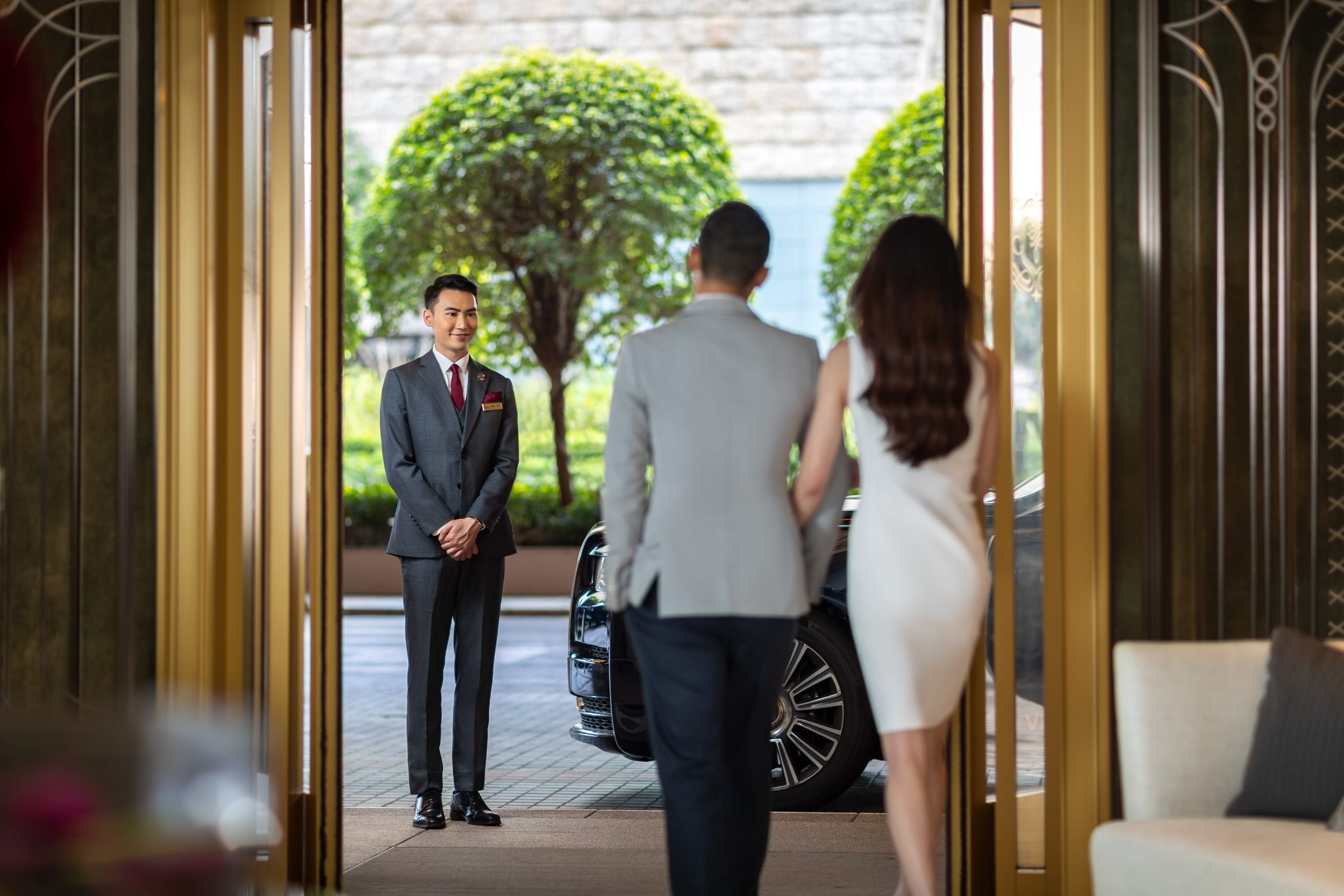
Our greatest tool is the ability to create unforgettable moments for guests. Every design choice, operational detail, and service element is calibrated to leave a lasting impression that guests carry with them long after their stay.
Contact Billy Richards Consulting to explore how these strategies and more can be tailored to your property. A brief conversation is often enough to identify the first few moves that will create momentum.
Email: BR@BillyRichardsCX.com