
The Boutique Advantage: A Boutique Hotel Strategy Framework for Independent Operators
Independent boutique hotels have structural advantages that branded competitors cannot replicate. Most boutique operators are not using them.
Boutique & Independent Hotel Strategy | Billy Richards Consulting
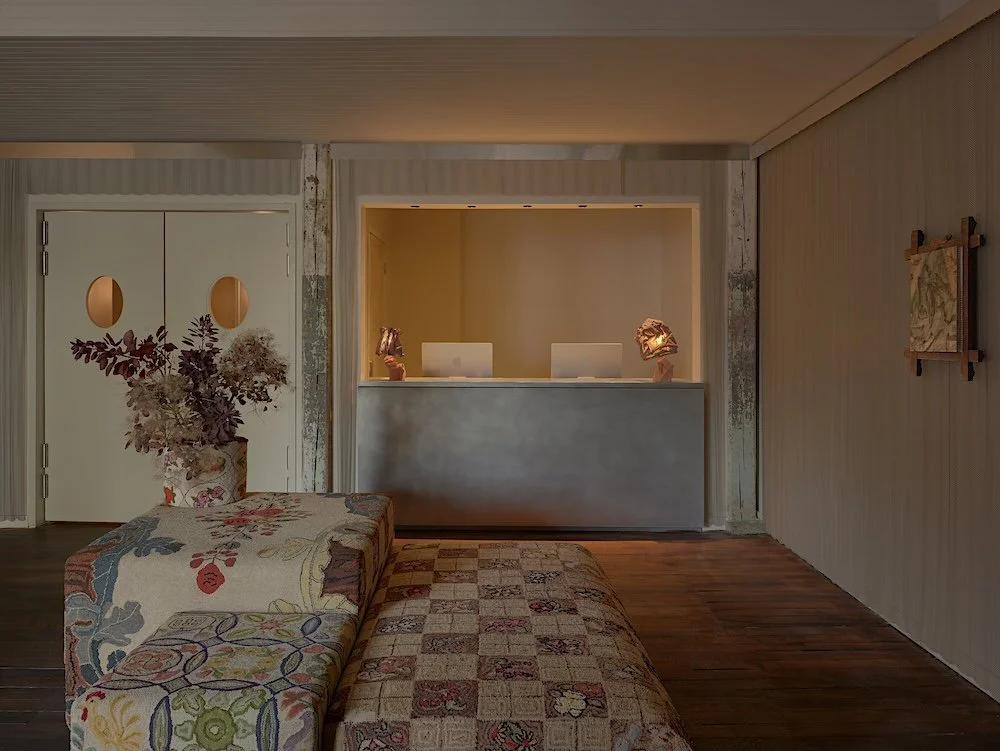
The boutique advantage is not size. It is specificity. (image: The Pocketbook, Hudson, NY)
The conventional hospitality wisdom holds that boutique and independent hotels compete at a structural disadvantage. They lack the distribution power of a global loyalty program. They cannot negotiate the procurement terms that branded competitors access at scale. Their marketing budgets are a fraction of what a major flag can deploy in a single market.
That conventional wisdom is wrong, and the evidence is in the performance data. The boutique hotels that have built genuine positioning consistently outperform branded competitors on rate in their markets, even when they start from the same baseline. The structural advantage of a boutique hotel strategy is not size. It is specificity. And specificity, in a market where branded hotels are increasingly interchangeable, is worth more than any loyalty program.
The Boutique Advantage, Defined
Boutique hotels have three structural advantages over branded competitors that cannot be replicated by a global flag. The first is identity speed: a boutique hotel can define, refine, and communicate a specific identity in weeks. A branded hotel making the same shift takes years. The second is experience depth: a boutique with a genuinely distinctive point of view can deliver an experience that feels personal and unrepeatable in a way that a 400-room branded hotel cannot. The third is community integration: a boutique hotel with genuine roots in its neighborhood has access to a form of credibility that cannot be purchased.
In a market where branded hotels are increasingly interchangeable, specificity is the most durable competitive advantage a boutique operator has.
The Framework: Four Strategic Pillars
A boutique hotel strategy that converts these advantages into durable performance rests on four pillars: positioning specificity, distribution architecture, F&B integration, and operational identity.
Positioning specificity is the foundation. It requires a more precise answer to the guest identity question than most boutique hotels give themselves. 'Design-forward travelers' is not a positioning. 'Creative professionals traveling for work or leisure who want a hotel that reflects the cultural intelligence of the city they are visiting' is closer. The specificity determines everything downstream.
Distribution architecture is where most boutique hotels leave the most money. The instinct is to maximize OTA distribution because it generates bookings without requiring investment in direct channel infrastructure. The problem is that OTA distribution at high penetration levels is incompatible with rate authority. Building the direct channel — email, SEO, content, owned experience — is a multi-year investment that produces compounding returns.
F&B integration is the component that most distinguishes high-performing boutique hotel strategies. For a boutique hotel, the F&B operation is not a departmental consideration. It is a positioning tool. A restaurant or bar that operates as a genuine neighborhood destination provides the boutique hotel with something that no amount of design investment can replicate: local credibility.
Operational identity is the difference between a boutique hotel that delivers on its positioning and one that promises it. A boutique hotel with a strong cultural identity and an operations team hired and trained for a generic hotel is a hotel with an identity crisis. The staff is the delivery mechanism for everything the positioning promises.
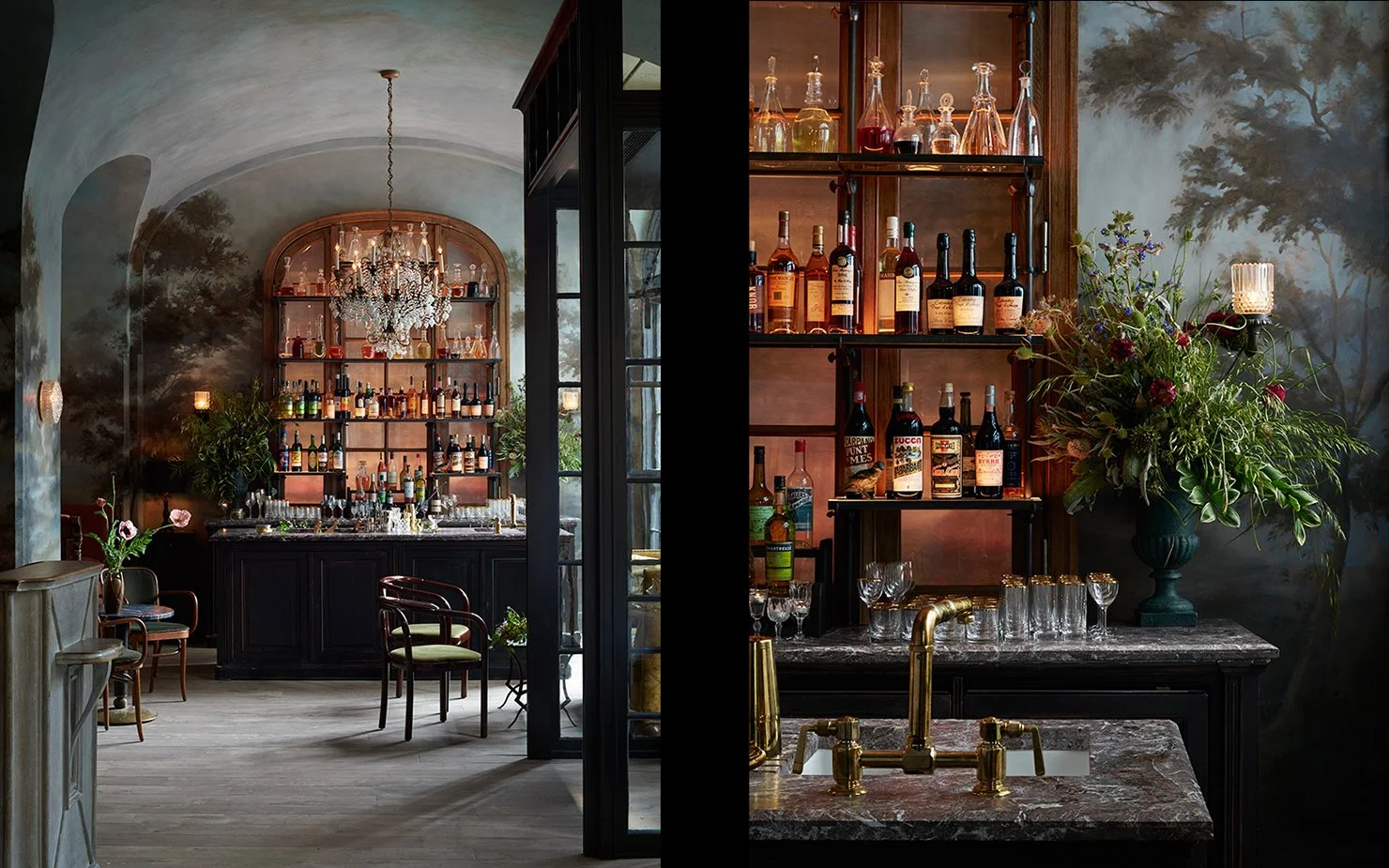
F&B is not an amenity in a boutique hotel strategy. It is the primary tool for neighborhood credibility.
Distribution: Building the Direct Channel
The foundational layer of boutique hotel distribution is SEO and content. A boutique hotel with a specific positioning and a content strategy built around that positioning can rank for the specific search terms its target guest uses. The boutique hotel that becomes the authoritative source on its neighborhood for its target guest profile has built a distribution asset that no OTA commission can touch.
The second layer is email and direct relationship. Every guest who books through any channel is a potential direct relationship. The boutique hotel that captures that relationship and gives that guest a reason to book direct next time is building a loyalty program without a loyalty program. It is less scalable than a global points system. It is more durable.
The Boutique Hotel and Asset Value
A boutique hotel with genuine positioning specificity, a direct channel that generates 40 to 50 percent of bookings, and an F&B operation that contributes meaningfully to NOI is a fundamentally different asset from a boutique hotel that is OTA-dependent and operating an F&B program that breaks even. The valuation difference is not subtle.
For a deeper treatment of how these value creation levers interact at the asset level, see our analysis of hospitality asset value creation
For boutique hotels evaluating a repositioning to improve their market position, the hotel repositioning strategy guide
On the specific contribution of branding to profitability in the boutique context, see increasing hotel profitability through branding
What the Best Boutique Hotels Do Differently
Spend enough time studying the boutique hotels that consistently outperform their markets and a pattern emerges. They are not necessarily the most beautiful. They do not always have the most sophisticated revenue management. What they share is a clarity of purpose that runs from the positioning through the design through the operations through the hiring through the programming.
Boutique hotel strategy, at its core, is a discipline of specificity. The operators who have internalized that are building something the branded world cannot replicate. The operators who are treating their property as a small version of a branded hotel are leaving every advantage they have on the table.
