

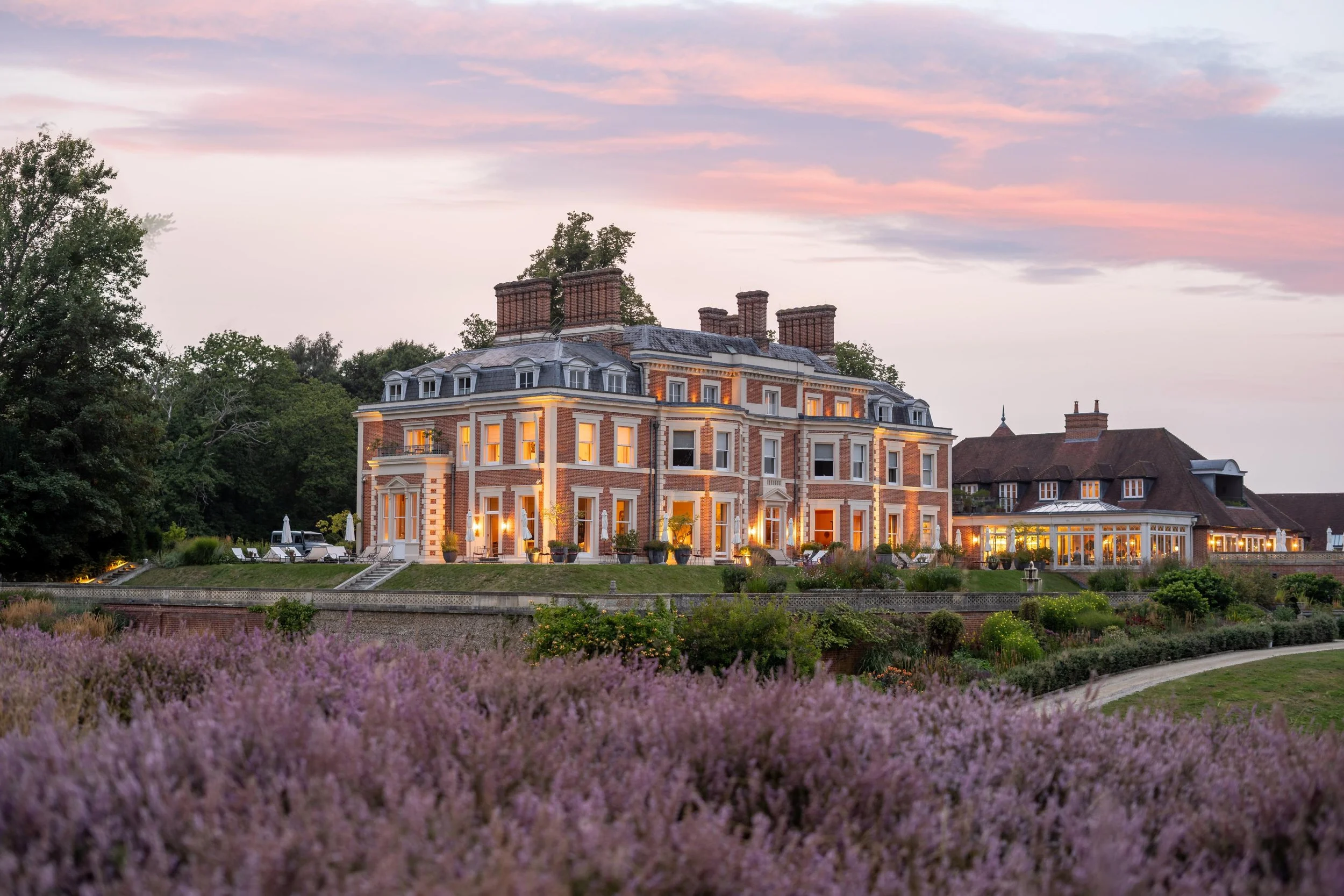
Why Hotels Are Stuck in a Cultural Rut: And How Cultural Architects Can Break the Cycle
The global hotel industry has never been more operationally sophisticated, and hotel differentiation strategy has never been more difficult to execute. It has also never been harder to tell most hotels apart. That is not a coincidence.
The global hotel industry is operating in one of the most competitive and rapidly evolving environments in its history. Market saturation has increased across nearly every segment, from economy lodging to ultra-luxury destinations. Global brands continue expanding portfolios to capture incremental share, while independent operators attempt to differentiate in markets increasingly dominated by large distribution ecosystems. At the same time, guest expectations are evolving faster than traditional hospitality models were designed to accommodate.
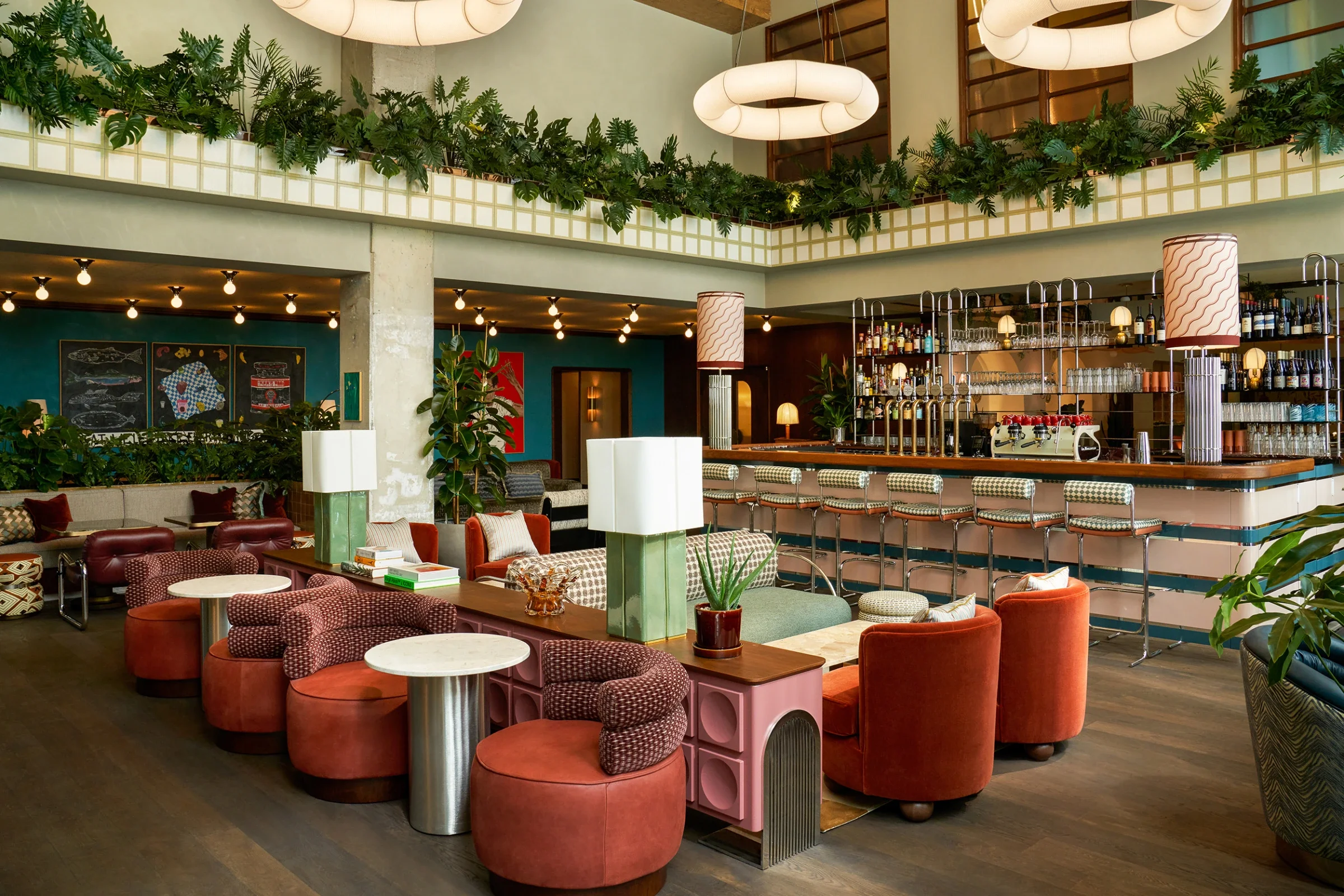
10 Rules for Hotel Rebranding and Future-Proofing
A new coat of paint is not a rebrand. A new lobby is not a rebrand. A rebrand is a fundamental repositioning of what a hotel means, who it is for, and why it deserves to exist in a market that already has too many options.
The hospitality market in 2026 is the most crowded and the least differentiated it has ever been. Supply has grown faster than genuinely distinctive identity has. Capital has flowed into the lifestyle segment in volumes large enough that the characteristics that once made a lifestyle hotel stand out have become the minimum viable product for competing in it. The independent boutique, the locally sourced F&B concept, the art-forward lobby, the community programming: these are no longer differentiators. They are the table stakes that every operator above select-service is expected to clear.
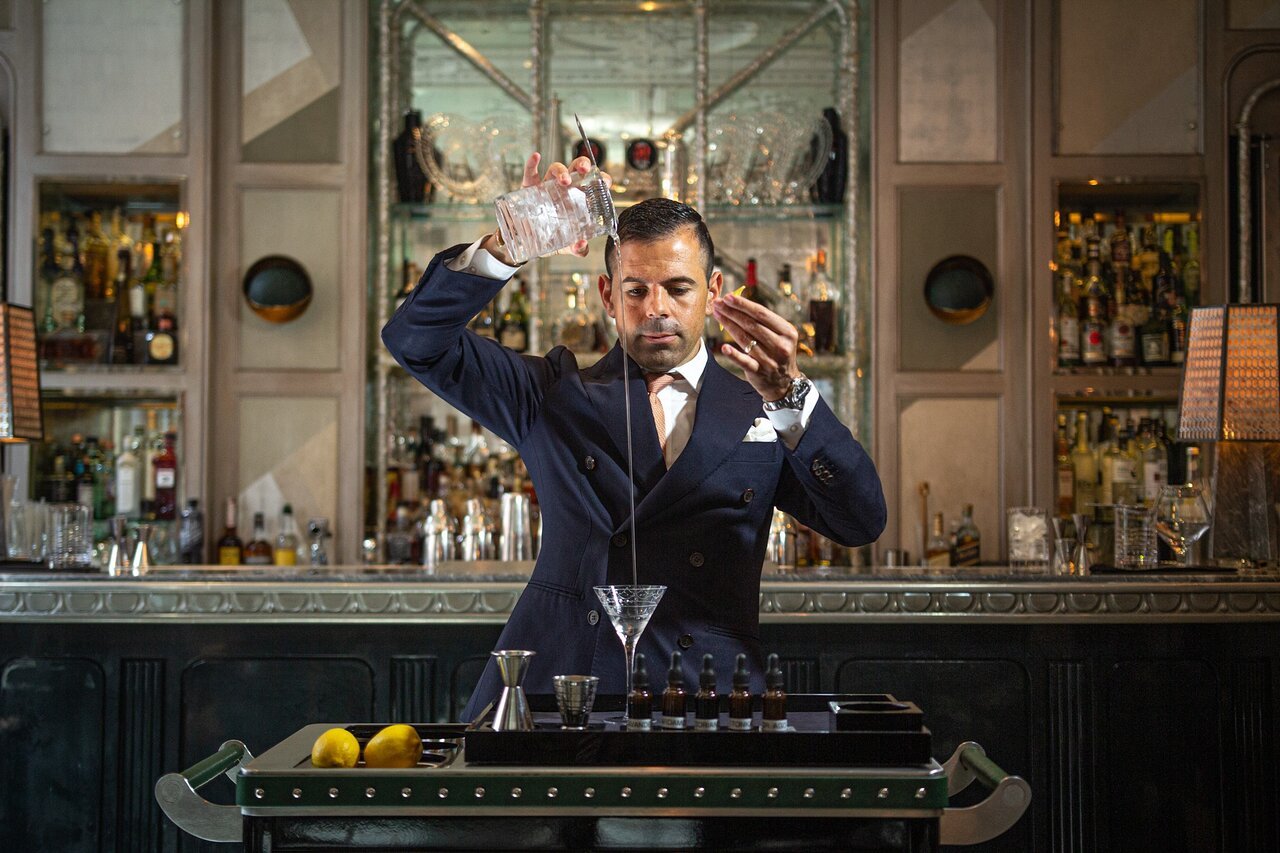
The Invisible Architecture: What Creative Direction in Hospitality Actually Does
Creative direction in hospitality is not a title or a taste function. It is the discipline that holds a hotel's identity together across every surface, every season, and every leadership change.
Creative direction in hospitality gets misunderstood in two directions simultaneously. Hotel owners who undervalue it treat it as a decorating function: someone to choose the furniture and approve the photography. Hotel owners who overvalue it without understanding it treat it as a magic quality that certain designers possess, a kind of aesthetic genius that can be hired and pointed at a project to produce a vibe. Neither framing is useful, and both produce predictable failures.
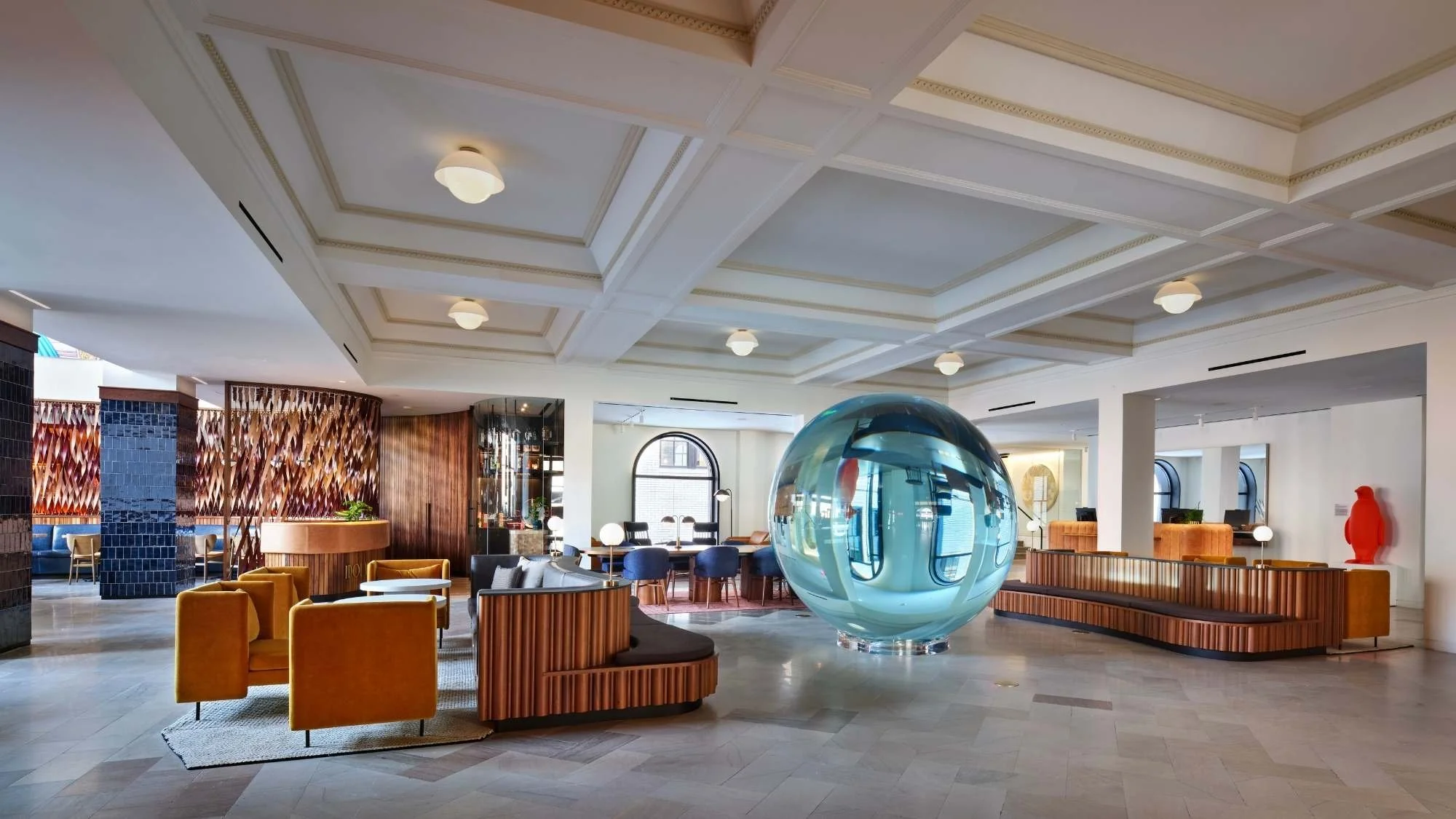
Own a Position, Not a Category: Lifestyle Hotel Positioning That Builds Competitive Moats
The lifestyle hotel segment is crowded, fast-moving, and getting harder to differentiate. The operators who are winning it are not trying to be the best lifestyle hotel. They are trying to be the only one of their kind.
The lifestyle hotel category has been the growth story of hospitality for fifteen years, and it has reached the point that growth stories always reach when enough capital chases a successful format: the differentiating characteristics that made the category exciting have become the baseline expectations of the guest. The operators who built their positioning around being a lifestyle hotel rather than around being a specific, irreplaceable version of one are discovering that their competitive position is thinner than it looked during the expansion.
The Story Is the Strategy: Hospitality Storytelling That Builds Brands Worth Talking About
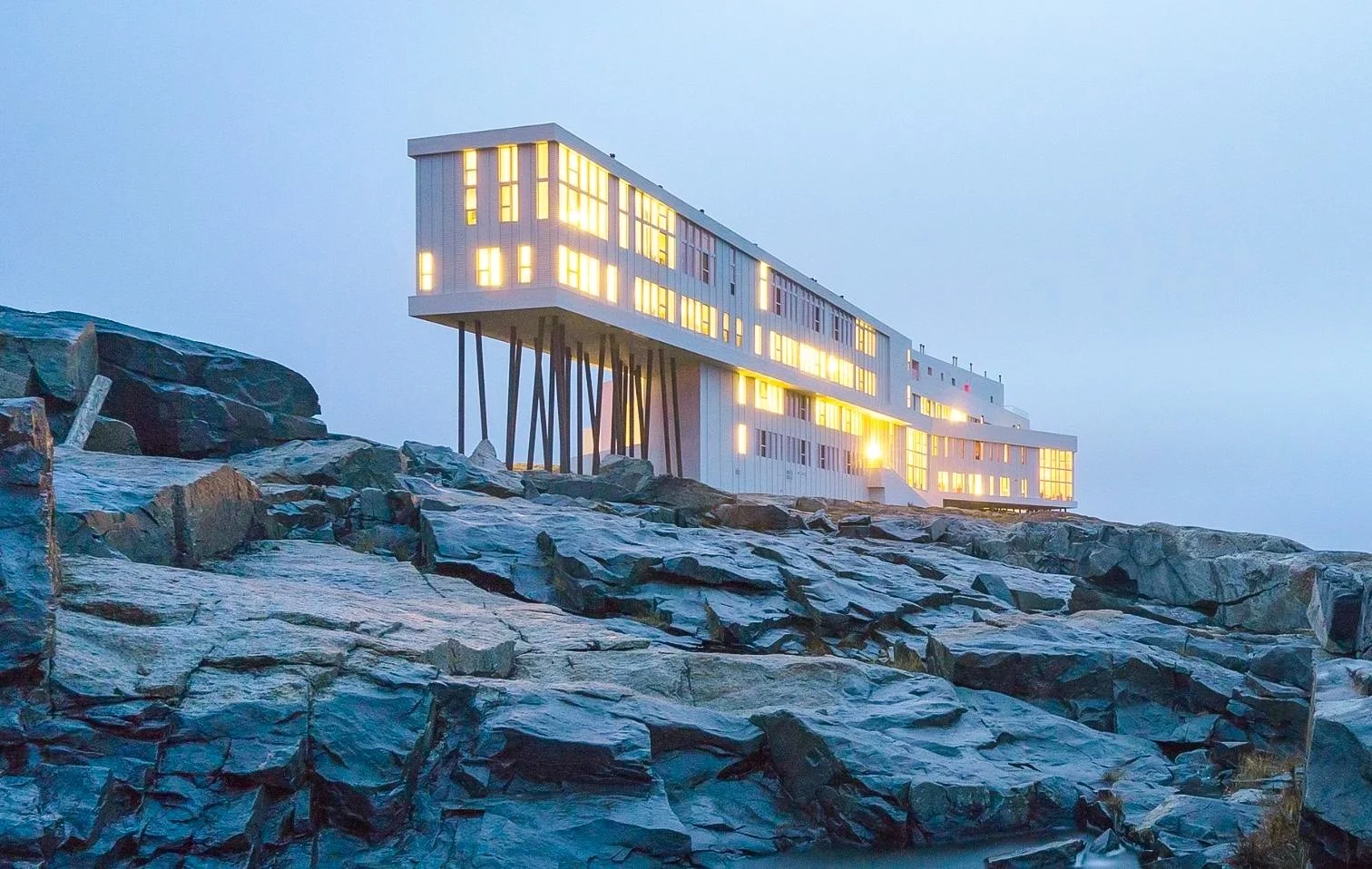
Every hotel has a story. Very few of them know what it is, and fewer still know how to tell it in a way that makes anyone care.
Hospitality storytelling is not a content marketing strategy. It is not a social media editorial calendar or a PR narrative about what makes the hotel unique. Those things can be expressions of a story, but they are not the story itself. The story is the answer to a deeper question that every hotel with a genuine brand has resolved and every hotel without one has not: what is this place, who does it exist for, and why does it matter that it exists at all?
The Brand Is the Asset: Hotel Branding Strategy That Builds Lasting Value
Most hotels have a logo and a color palette and call it a brand. The properties trading at the highest premiums built something fundamentally different.
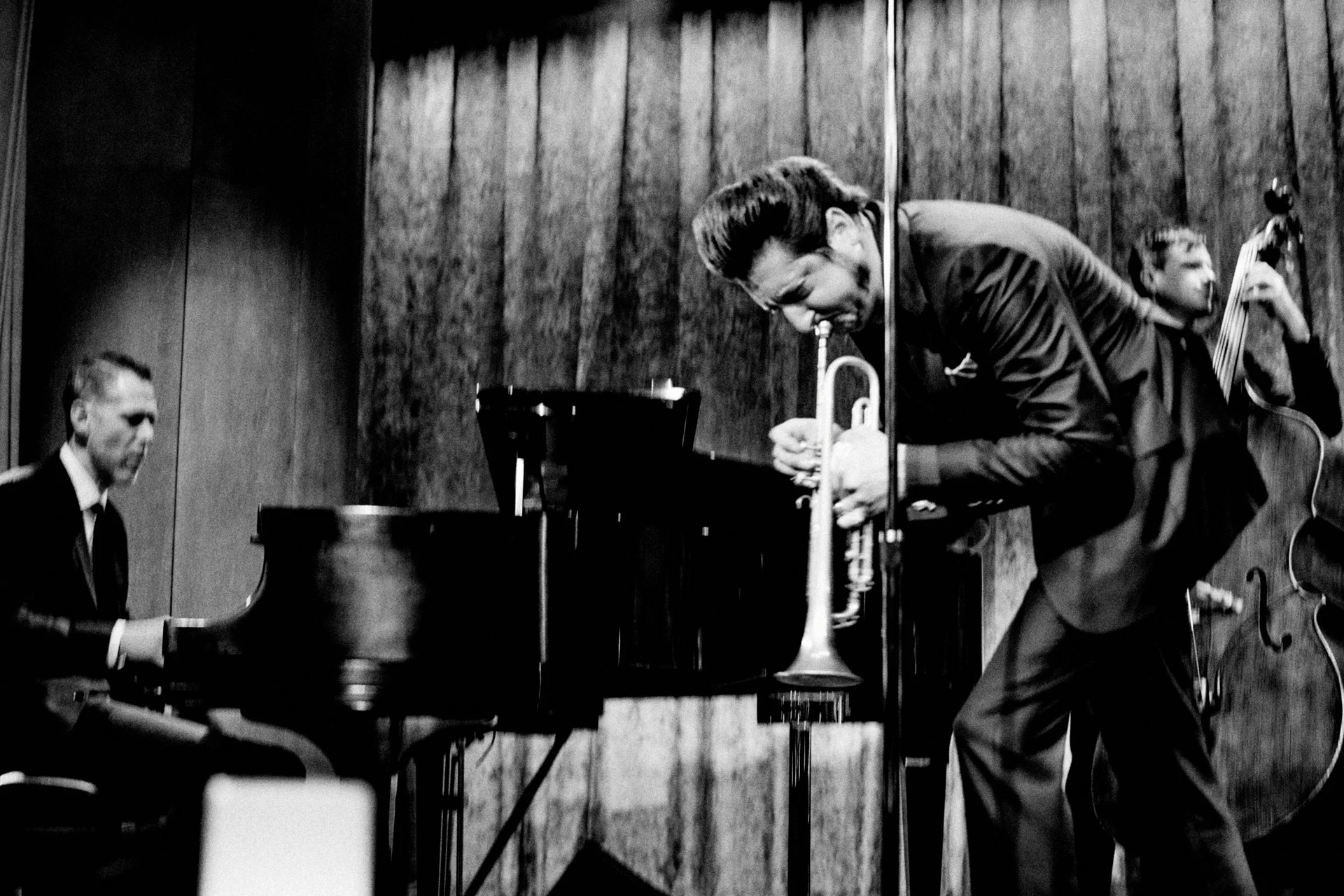
Brand is the most misunderstood concept in hotel development and operations. Owners treat it as a marketing function. Operators treat it as a standards compliance exercise. Designers treat it as an aesthetic brief. None of those framings capture what brand actually is in the context of a hospitality asset: a promise that a specific guest will pay more to access, return to access again, and tell other people is worth accessing.

Beyond the Base Case: Hospitality Feasibility Insights That Actually Predict Performance
Most hospitality feasibility studies tell developers what they want to hear. The ones that protect capital tell them what they need to know.
The hospitality feasibility study has a structural problem that the industry has not resolved honestly. It is almost always commissioned by a party who already has a development thesis and who is paying for analysis that will either validate that thesis or be discarded in favor of analysis that does. The consultants who produce feasibility studies know this, and the most commercially successful ones have learned to deliver conclusions that are rigorous enough to satisfy lenders while optimistic enough to keep developers engaged.
This is not an argument against feasibility analysis. It is an argument for understanding what good feasibility analysis actually looks like, what questions it needs to answer honestly, and how to use it as a genuine risk management tool rather than as a pre-investment ritual that makes the capital commitment feel more defensible than it is.
What Kills Hotel Deals: The Development Mistakes That Destroy Value Before Opening Day
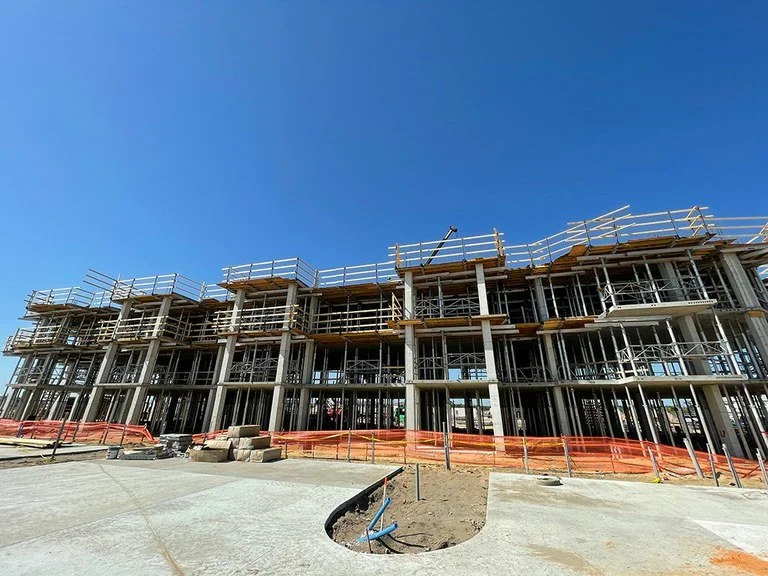
Most hotel development failures are not caused by bad markets or bad luck. They are caused by specific, identifiable decisions made early in the process that compound into problems too large to solve by the time anyone notices them.
Hotel development is an expensive place to learn. The capital at stake is large, the timeline between decisions and consequences is long enough that cause and effect are hard to connect in real time, and the hospitality industry has a cultural tendency to attribute failures to market conditions rather than to the decision-making that preceded them. The result is that the same hotel development mistakes get made repeatedly, by experienced developers as well as first-timers, because the industry does not have a strong tradition of honest post-mortems.
The Premium That Pays for the Hotel: A Branded Residences Strategy for Developers and Investors
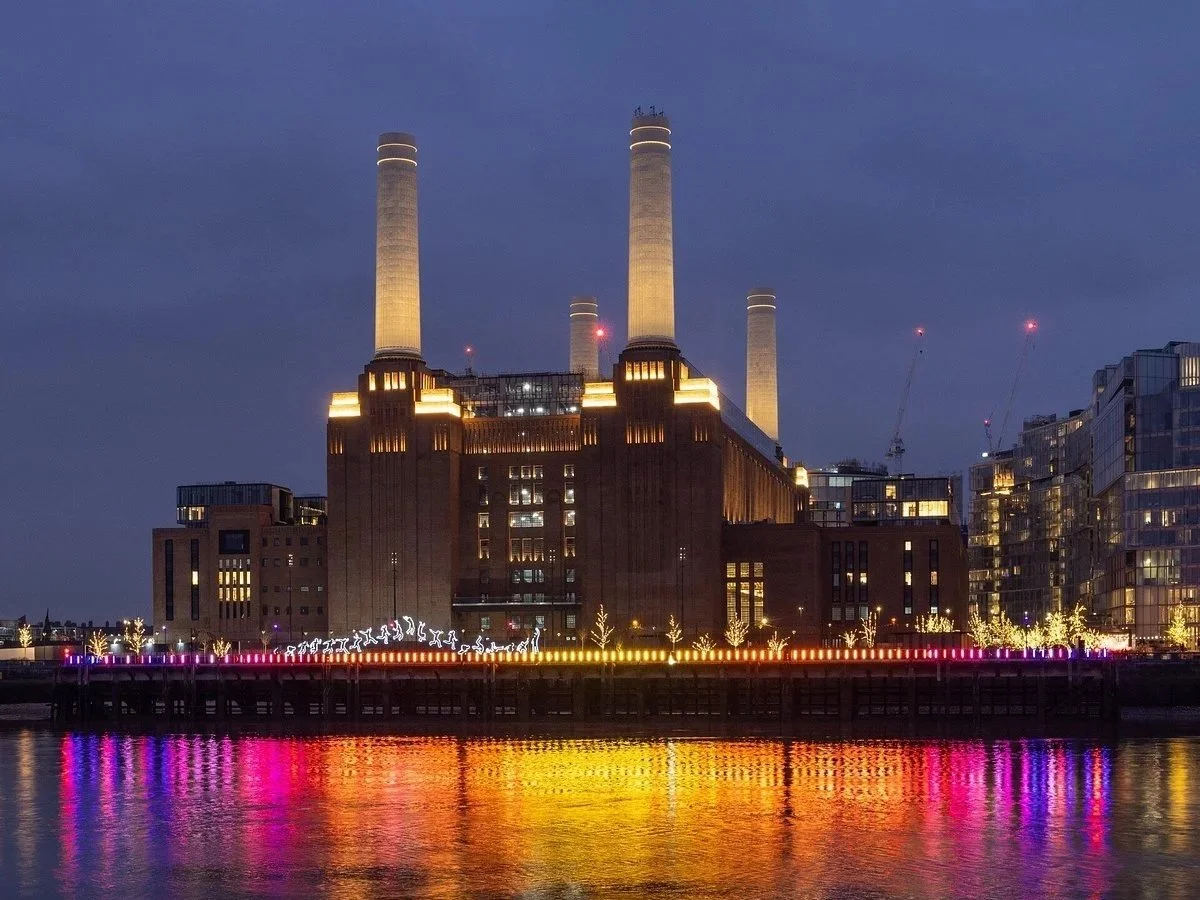
Branded residences are generating the most compelling risk-adjusted returns in hospitality real estate. The developers who understand the structure are using them to effectively build hotels at net zero cost.
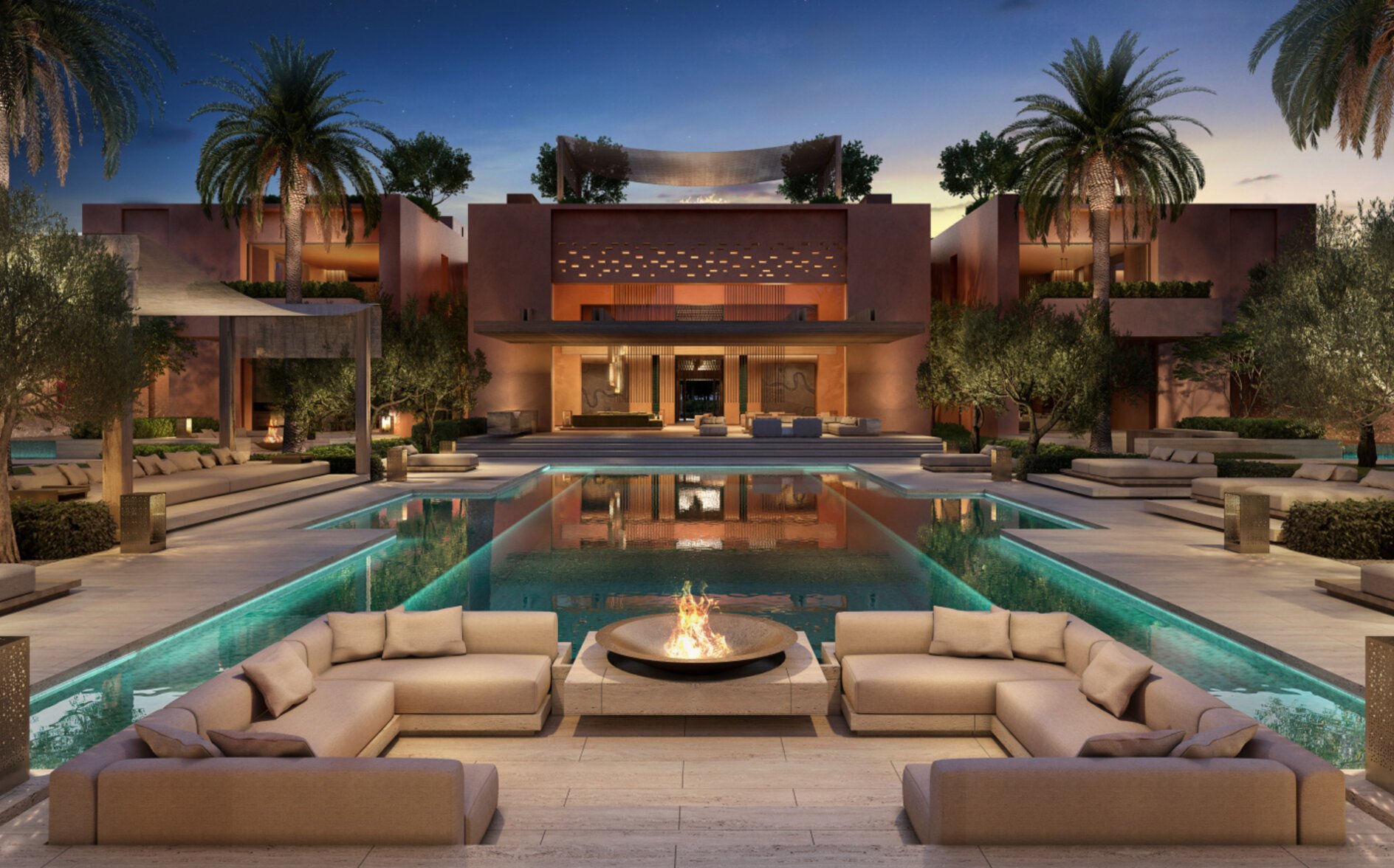
Over 700 branded residence schemes are currently operating globally. An equal number are in development. That is not a coincidence or a trend driven by consumer preference alone. It is a response to a financial structure that sophisticated developers have recognized as one of the most capital-efficient mechanisms available in real estate: the ability to monetize hotel brand equity through residential pre-sales, recover construction capital before the hotel opens, and retain the long-term income stream that the hotel generates on a basis that has been substantially de-risked by the residential component.
A well-structured branded residences strategy does not add a residential component to a hotel project. It restructures the entire capital thesis of the development. The premium that branded residences command over unbranded comparable product, which averages 33 percent globally and exceeds 47 percent in emerging markets according to Savills research, changes what the developer needs from the hotel to make the overall project work.
The Case for Convergence: A Mixed-Use Hospitality Strategy That Outperforms the Market
Standalone hotel development is becoming a harder investment thesis to defend. The developers and capital partners who understand why are already repositioning to capture what comes next.
The institutional capital that has historically flowed into single-use hotel development is changing its mind. Not because hotels have stopped generating returns, but because the evidence is now substantial enough that mixed-use hospitality strategy, the deliberate integration of hotel assets with residential, retail, F&B, and public programming, produces superior risk-adjusted returns across most market conditions. The developers and investors who have internalized that evidence are building differently. The ones who have not are watching their cost of capital and their competitive position diverge from those who have.
This is not a story about design trends or lifestyle branding. It is a story about capital efficiency, risk distribution, and the structural advantage that convergent assets have over standalone ones in a market where construction costs are elevated, debt service is real, and guests have more choices than ever about where to spend their money and their time.
CX 101: Mixed-Use Development
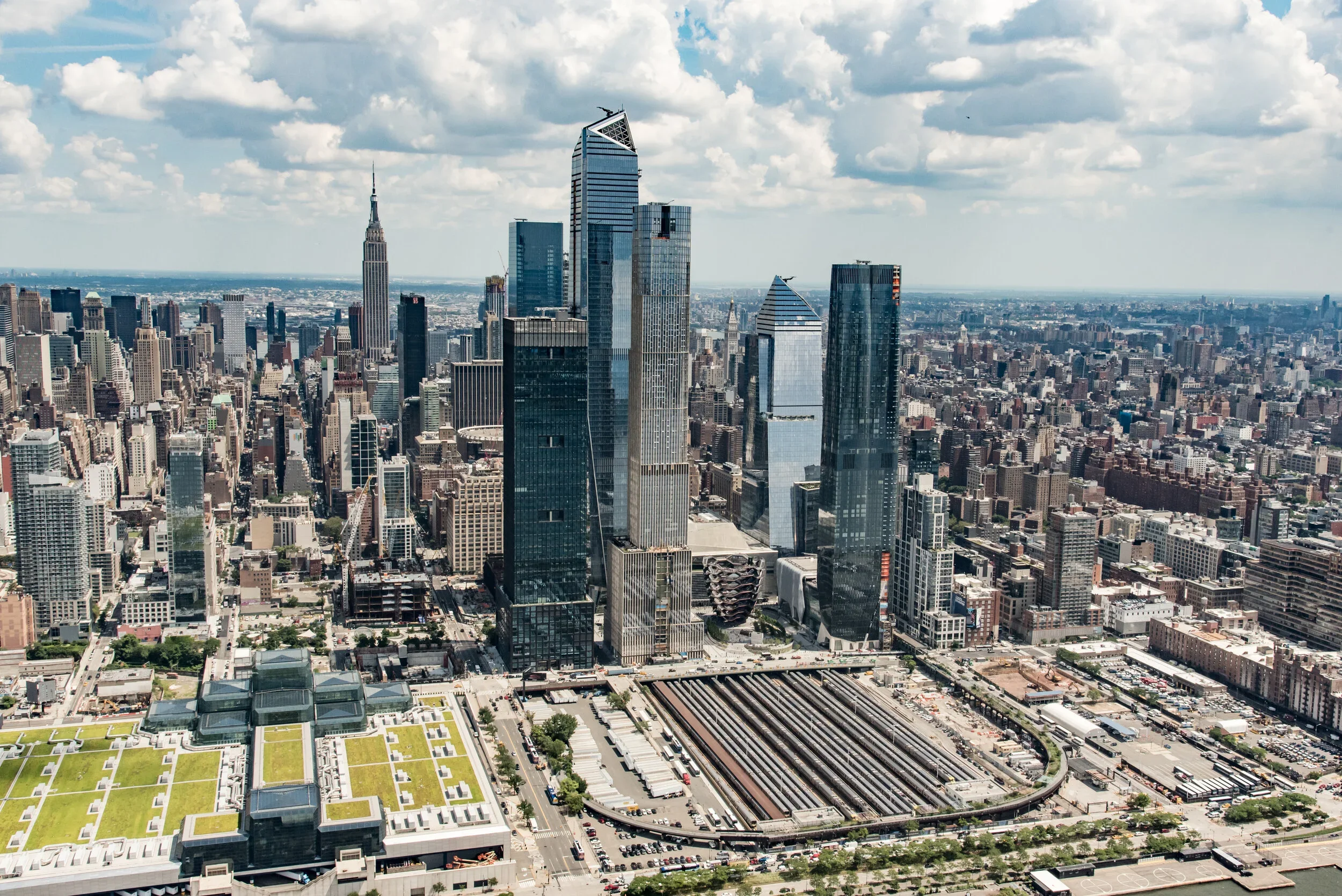
A mixed-use development is not a collection of experiences. It is one experience with multiple venues. The distinction determines everything about how it should be designed and operated.
The CX challenge in a mixed-use development is not the same as the CX challenge in any single venue within it. A person who stays at the hotel, dines at the restaurant, visits the spa, walks through the retail, and sits in the public plaza is having a single experience that crosses all of those operational domains. Whether that experience feels coherent or fragmented is a function of how well those domains were designed to work together.
CX 101: Retail
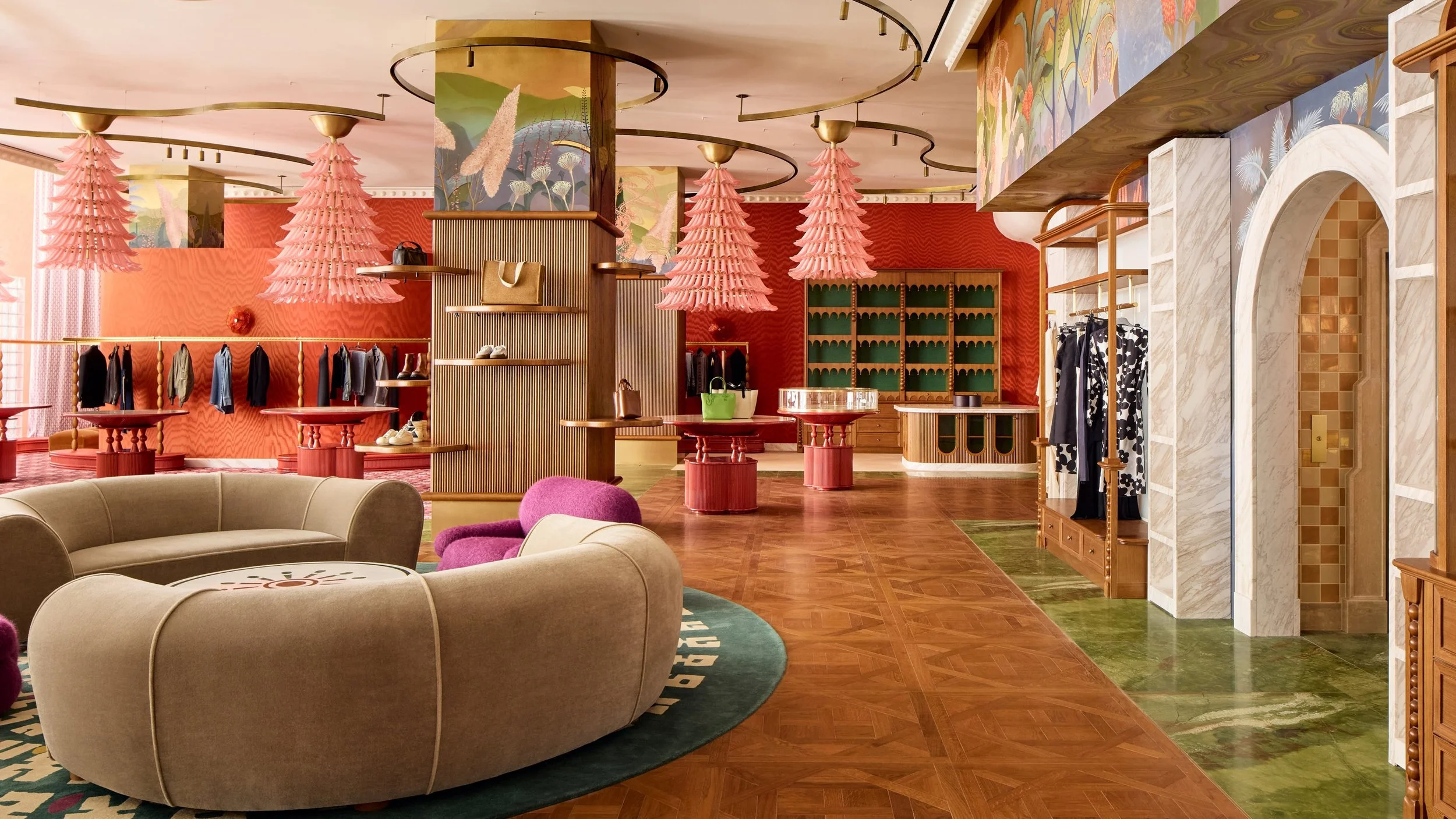
The only reason a customer comes to a physical retail space instead of buying online is because the physical experience offers something the screen cannot. Most retailers have not figured out what that is.
Physical retail has survived the shift to e-commerce not because of convenience, which online will always win on, but because of experience. The stores that are growing are the ones that have made the physical visit itself worth the trip. The stores that are struggling are the ones still competing on convenience and selection against an opponent that will always have more of both.
CX 101: Restaurants
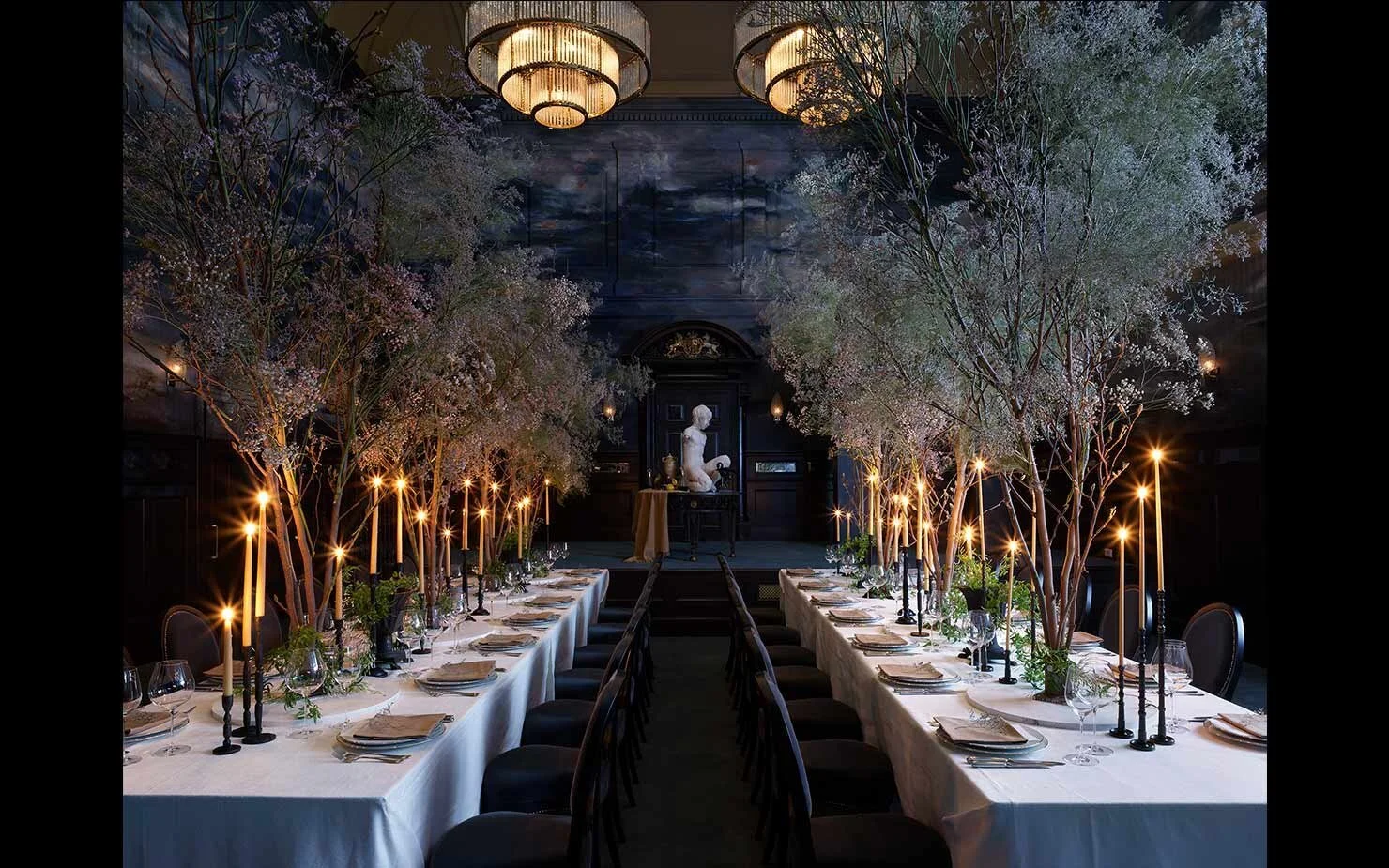
Good Food Is The Price Of Entry. What Keeps Guests Coming Back Is Everything That Surrounds It.
Customer experience in restaurants is often conflated with service quality, and service quality is often conflated with attentiveness and speed. These matter, but they are a narrow slice of what actually determines whether a guest has a memorable experience, leaves a positive review, and makes a reservation for next month.

Building the Full Picture: An Experience Design Framework for Hotels
A hotel is not a building with a service layer. It is a designed experience where every element, from the physical space to the people to the programming, either works together or works against itself.
The word design gets applied narrowly in hospitality. It usually means the interior: the palette, the furniture selection, the lighting plan. These are genuine design decisions and they matter, but they represent a fraction of what determines the experience a guest actually has. A hotel can be beautifully designed in the interior sense and still deliver an experience that is mediocre or incoherent, because the physical design and the service delivery and the programming and the brand identity are not working from the same brief.
An experience design framework for hotels treats all of these elements as components of a single designed system. Physical space, brand identity, programming, service standards, and the technology that connects them are layers of the same experience, and the quality of that experience is determined by how well those layers align, not by how excellent any single layer is in isolation.
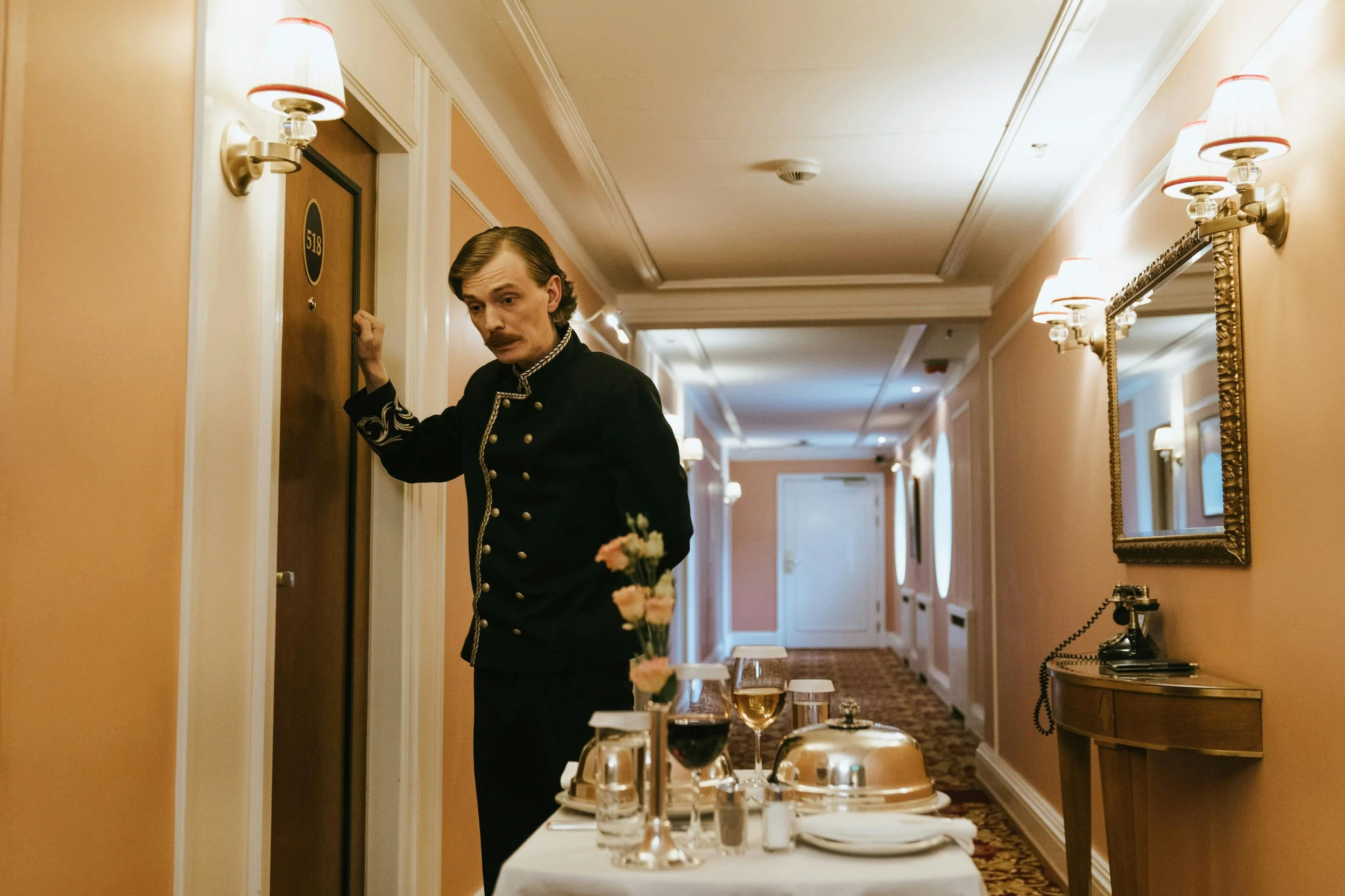
CX as Competitive Infrastructure: Building a Customer Experience Strategy in Hospitality
Most hospitality operators manage customer experience. The ones who outperform their markets have built it as a system.
Customer experience in hospitality gets talked about as though it were a department. Something that sits under rooms division, gets measured by post-stay survey scores, and improves when front desk training improves. That framing is not wrong exactly, but it is so incomplete that operators who accept it will consistently underinvest in the right places and miss the commercial outcomes that a genuine customer experience strategy in hospitality makes possible.
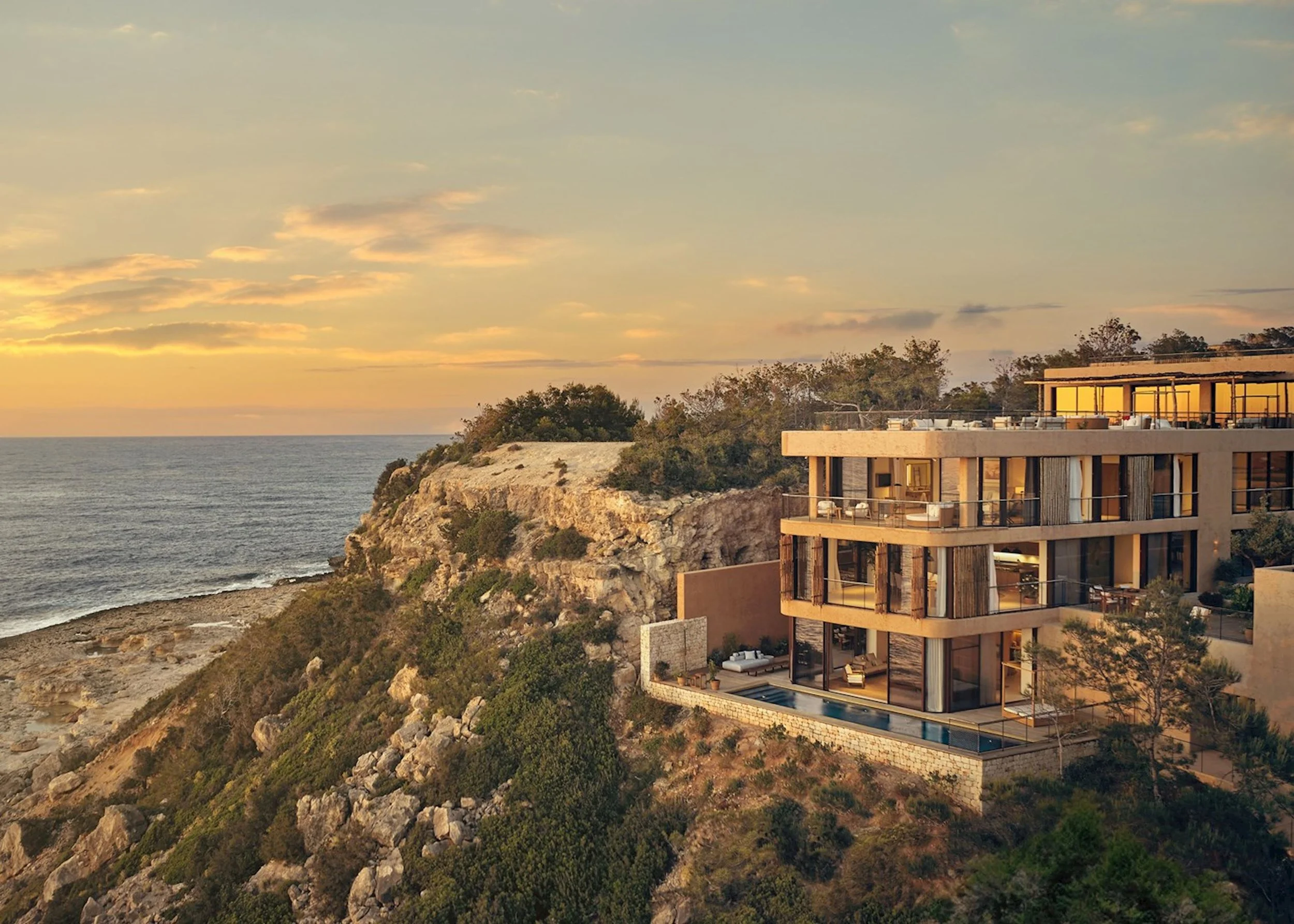
What Luxury Guests Actually Want Now: Luxury Guest Experience Trends Defining 2026
The definition of luxury in hospitality has shifted fundamentally. Operators still working from the old definition are building the wrong product for the wrong guest.
Luxury hospitality has always been a moving target, but the pace of redefinition has accelerated. The guest profile that the industry built its assumptions around: older, status-driven, comfort-seeking, brand-loyal in the traditional sense, has been joined and in many markets displaced by a different kind of high-value traveler. This guest is younger, more culturally fluent, more skeptical of legacy prestige signals, and more willing to pay significant rates for experiences that feel genuinely specific rather than generically excellent.
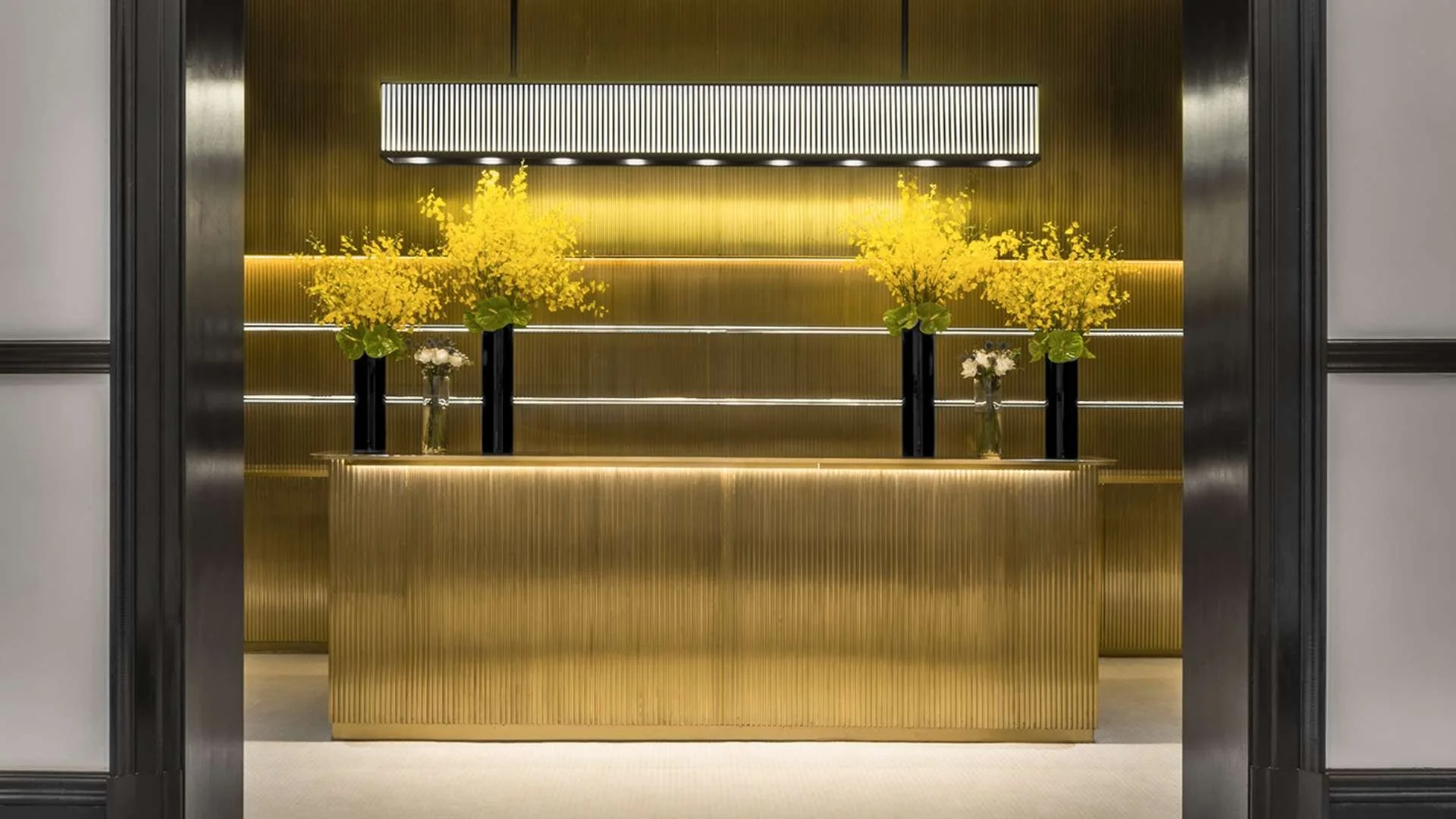
The Journey Is the Product: Guest Journey Design for Hotels
There is a version of hotel operations where the guest experience is a series of discrete events: check-in, room delivery, breakfast, checkout. Each event is managed independently by a different department, measured by its own metrics, and staffed to a standard that has more to do with labor cost than guest impact. That version of operations is still the default in most hotels. It is also why most hotels cannot explain why their review scores plateau, why repeat rates stay flat, and why rate premiums feel out of reach.
Guest journey design is the alternative. It treats the entire arc of a guest's relationship with a property as a single designed experience, with intentional decisions at every stage about what the guest feels, what they are offered, and how each moment connects to the next. The difference between a hotel that manages touchpoints and one that designs a journey is not a matter of budget. It is a matter of thinking.
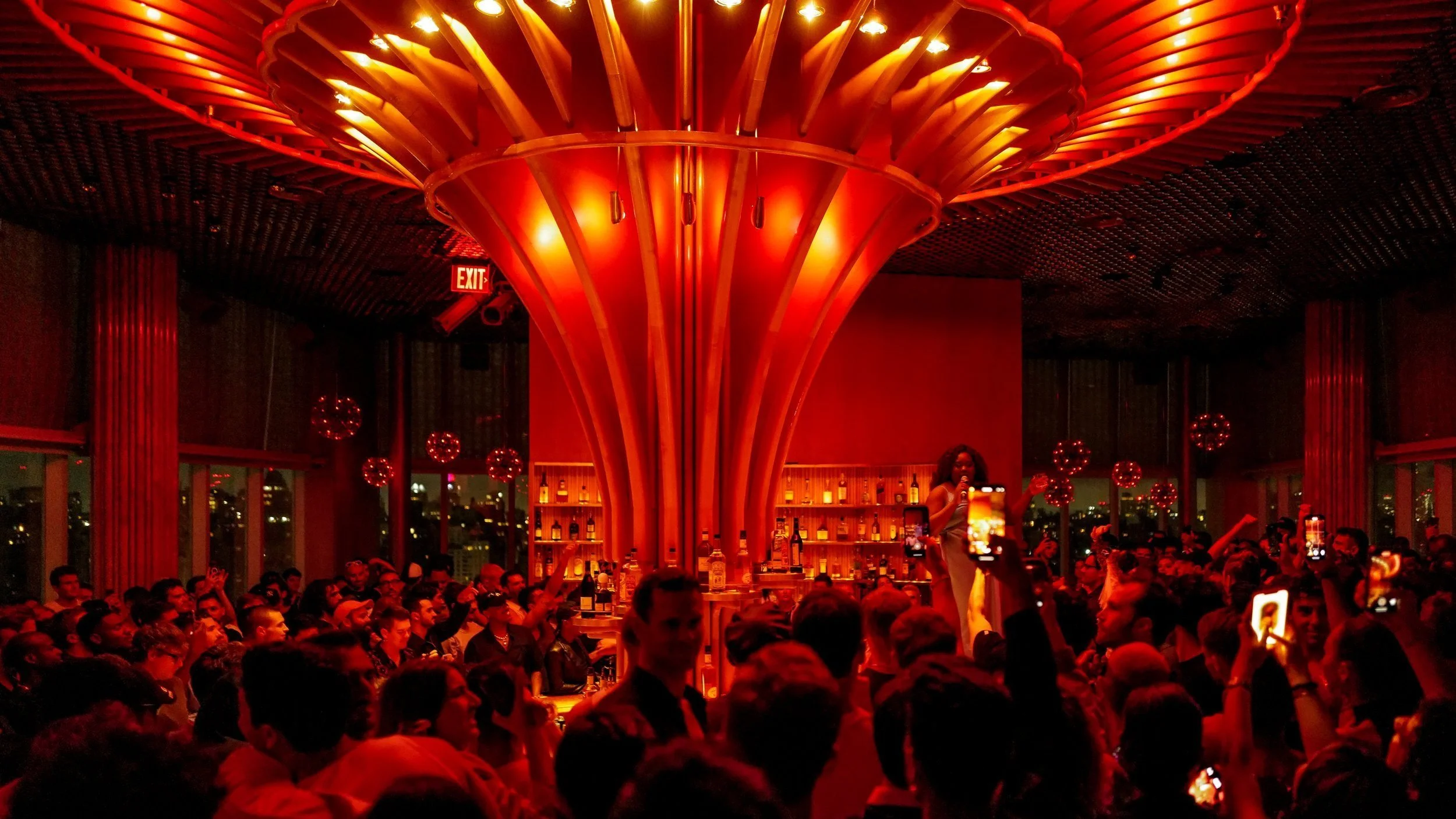
The Brand Profit Equation: Increasing Hotel Profitability Through Branding
When hotel owners talk about profitability, they tend to focus on the levers they can see clearly: occupancy, ADR, labor cost, and energy expense. But in most hotel assets, the decisions that have the largest long-term impact on profitability are not operational decisions. They are brand decisions, and most owners are not making them with the analytical rigor they apply to their operating budget.
Increasing hotel profitability through branding is not a marketing exercise. It is a financial discipline. The brand architecture of a hotel determines the rate it can sustain, the cost of distribution it must absorb, the guest it attracts and retains, and the operational standards it must fund to deliver on its promise. Each of those variables flows directly to NOI.
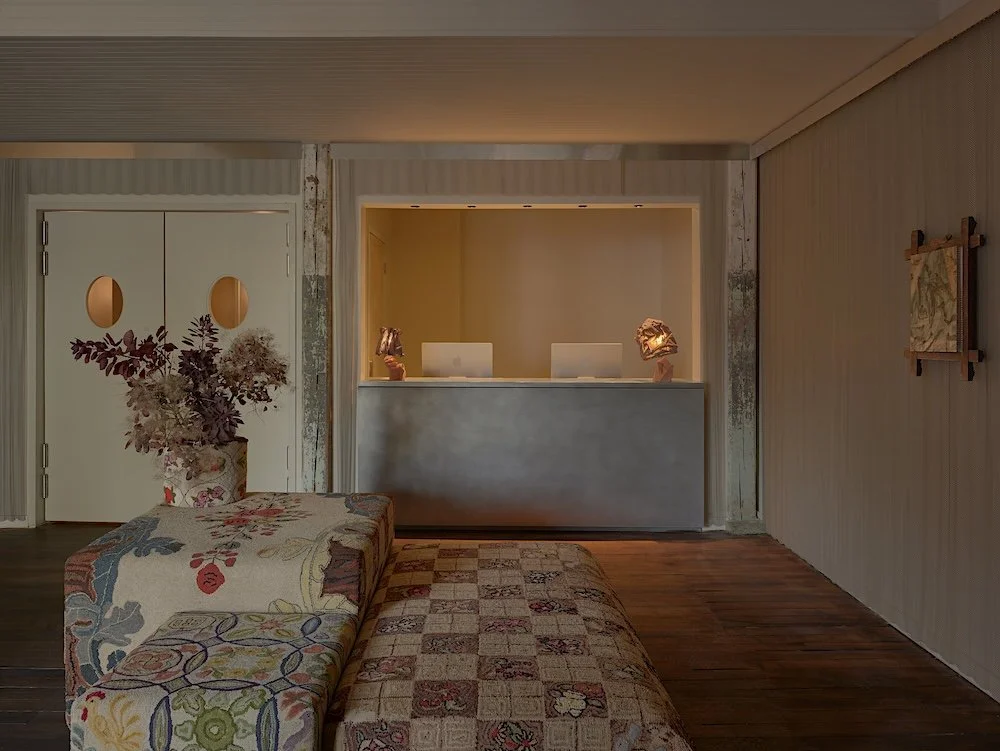
The Boutique Advantage: A Boutique Hotel Strategy Framework for Independent Operators
The conventional hospitality wisdom holds that boutique and independent hotels compete at a structural disadvantage. They lack the distribution power of a global loyalty program. They cannot negotiate the procurement terms that branded competitors access at scale. Their marketing budgets are a fraction of what a major flag can deploy in a single market.
That conventional wisdom is wrong, and the evidence is in the performance data. The boutique hotels that have built genuine positioning consistently outperform branded competitors on rate in their markets, even when they start from the same baseline. The structural advantage of a boutique hotel strategy is not size. It is specificity. And specificity, in a market where branded hotels are increasingly interchangeable, is worth more than any loyalty program.