
The Case for Convergence: A Mixed-Use Hospitality Strategy That Outperforms the Market
Standalone hotel development is becoming a harder investment thesis to defend. The developers and capital partners who understand why are already repositioning to capture what comes next.
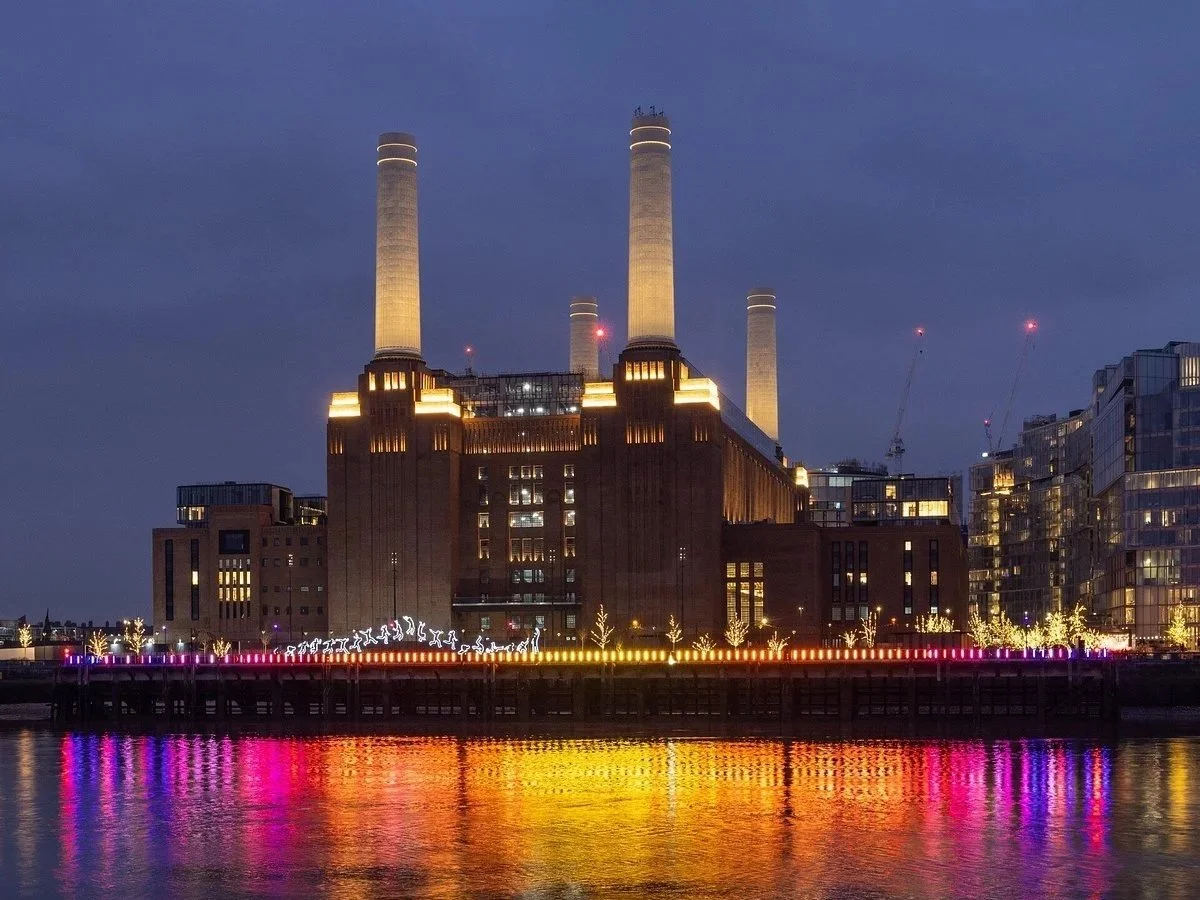
Mixed-use hospitality strategy is not a design preference. It is a financial thesis with a growing body of evidence behind it. (photo: Battersea Power Station London)
The institutional capital that has historically flowed into single-use hotel development is changing its mind. Not because hotels have stopped generating returns, but because the evidence is now substantial enough that mixed-use hospitality strategy, the deliberate integration of hotel assets with residential, retail, F&B, and public programming, produces superior risk-adjusted returns across most market conditions. The developers and investors who have internalized that evidence are building differently. The ones who have not are watching their cost of capital and their competitive position diverge from those who have.
This is not a story about design trends or lifestyle branding. It is a story about capital efficiency, risk distribution, and the structural advantage that convergent assets have over standalone ones in a market where construction costs are elevated, debt service is real, and guests have more choices than ever about where to spend their money and their time.
Why Standalone Hotel Development Is Getting Harder
The economic case for standalone hotel development rests on a set of assumptions that have eroded over the past decade. Rising construction costs have pushed development yields down. Elevated debt service has compressed the margin between stabilized NOI and financing costs. Insurance premiums have climbed faster than RevPAR in most markets. And the labor cost structure of a full-service hotel has proven resistant to the efficiency gains that other industries have captured through technology.
Against those headwinds, the standalone hotel is asking a single asset class to carry the entire capital stack and generate returns sufficient to satisfy institutional equity. In most markets, that math has gotten harder. The mixed-use alternative distributes the risk. A hotel that anchors a development with residential, retail, and F&B components is not the sole generator of return. It is a value driver that makes the other components more attractive and more valuable while those components reduce the hotel's dependency on achieving a single aggressive occupancy and rate target.
The Integration Premium: How Mixed-Use Creates Value Standalone Cannot
The financial case for mixed-use hospitality strategy is built on a specific mechanism: integration creates demand synergies that increase the performance of every component beyond what each would achieve independently. This shows up in the data consistently enough that institutional investors and major hotel brands have restructured their development criteria around it.
A hotel within a mixed-use development benefits from activated ground-floor uses that give guests and visitors a reason to be in the environment beyond the rooms product. Retail, restaurants, and public programming drive foot traffic that the hotel alone would not generate, translating into F&B revenue, event bookings, and local demand that supplements transient room nights.
The developer who understands mixed-use hospitality strategy is not building a hotel with some residential on top. They are building a system where each component makes the others worth more.
The residential component captures this dynamic in the most financially tangible way. Branded residences command price premiums of 25 to 40 percent over comparable unbranded product in most markets. That premium is generated almost entirely by the hotel brand's presence and the service infrastructure it provides.
For the full financial mechanics of how branded residential components reshape development economics, see the branded residences strategy
The Four Components and How They Stack
The hotel is the brand and service anchor. It provides the identity that distinguishes the development from a generic mixed-use project, the operational infrastructure that supports amenity delivery across the whole, and the transient demand that activates the ground-floor uses. Its return profile is steady-state: it generates NOI through operations rather than through capital events, which provides the portfolio stability that balances the more event-driven return profile of the residential component.
The residential component provides early capital return through pre-sales that can fund construction and reduce or eliminate debt exposure. In markets where branded residence premiums are strong, the residential component can generate returns that subsidize the hotel development cost entirely, allowing the developer to build the hotel at zero or negative net cost while retaining the long-term NOI stream it generates.
The retail and F&B components generate income while creating the activation that makes the hotel and residences more valuable. Ground-floor uses that attract locals and non-guests establish the development as a genuine community asset. The public programming and placemaking layer is the least tangible component and the most consistently underinvested. Developers who treat public space as a cost rather than a value driver are leaving money on the table.
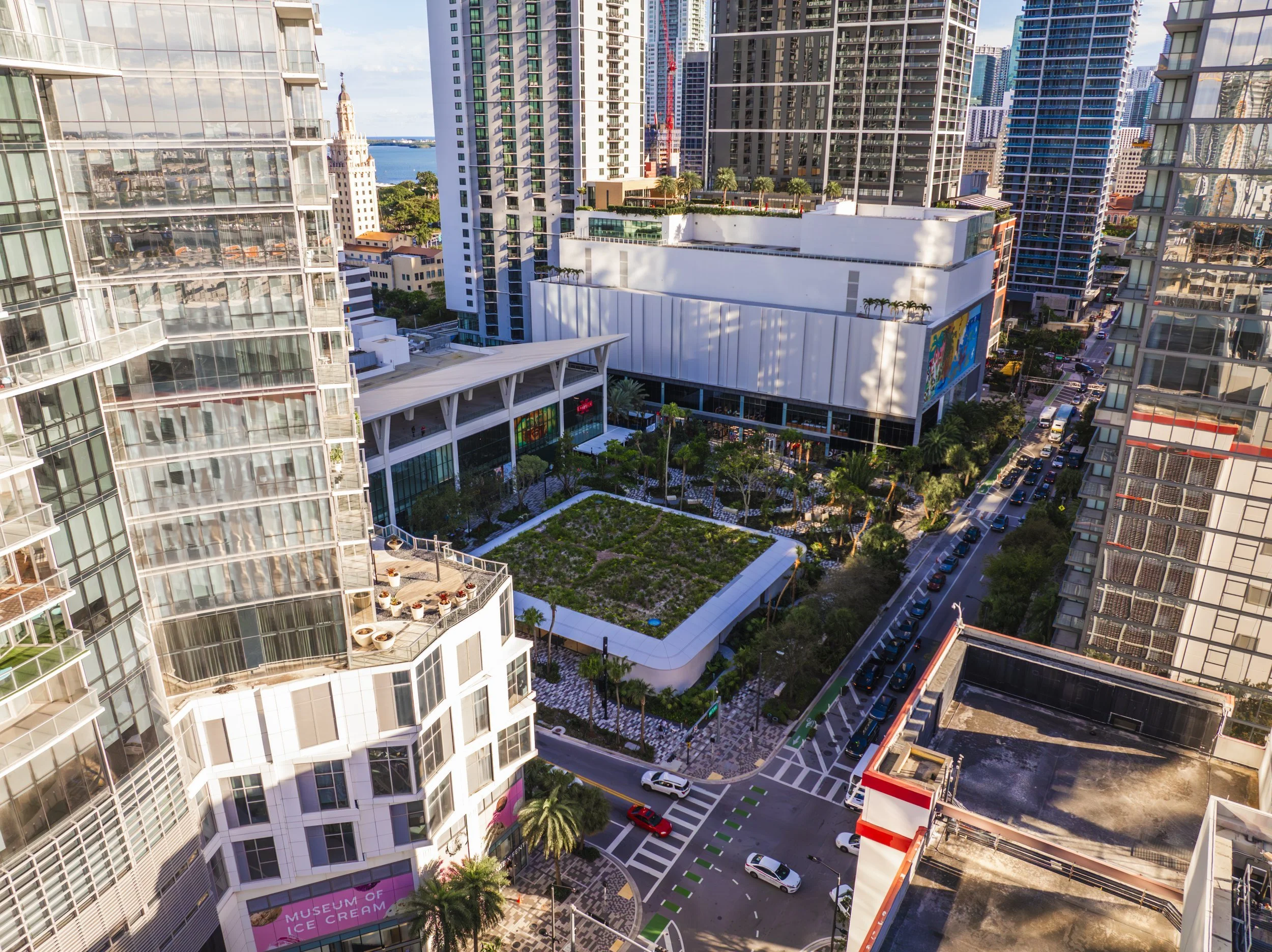
The ground floor is where a mixed-use development earns its place in a neighborhood or fails to. (photo: Miami Worldcenter).
The Complexity Premium: What Most Developers Get Wrong
Mixed-use hospitality strategy generates superior returns when executed well and significant destruction of value when executed poorly. The developers with the worst outcomes are almost always those who underestimated the operational and governance complexity of managing multiple asset classes under a single ownership structure.
The most common mistake is treating the components as independent assets that happen to share a site. Nobody is responsible for the integration that makes the whole worth more than the sum of its parts, and that is where the development premium evaporates. The second most common mistake is sequencing the components in the wrong order: developers who build the hotel before establishing the residential pre-sale program miss the capital efficiency opportunity that makes the structure work.
For the specific feasibility and underwriting considerations that determine whether a mixed-use project can support its capital structure, see hospitality feasibility insights
For the development execution mistakes that most consistently destroy value in hospitality projects, see hotel development mistakes
The Market Moment for Mixed-Use Hospitality
The current development environment has created conditions that make mixed-use hospitality strategy more attractive on a risk-adjusted basis than it has been in at least a decade. Constrained new supply from elevated construction costs means that well-positioned projects coming to market over the next three to five years will face less competitive pressure than projects developed during more active supply cycles.
The window for entering this space with a competitive advantage is not permanent. As more capital recognizes the superior risk-adjusted return profile of mixed-use hospitality, the development pipeline will build and the advantage will compress. The developers building that capability now are building a durable competitive position in a market that is still relatively uncrowded at the top.
