
CX 101: Mixed-Use Development
A mixed-use development is not a collection of experiences. It is one experience with multiple venues. The distinction determines everything about how it should be designed and operated.
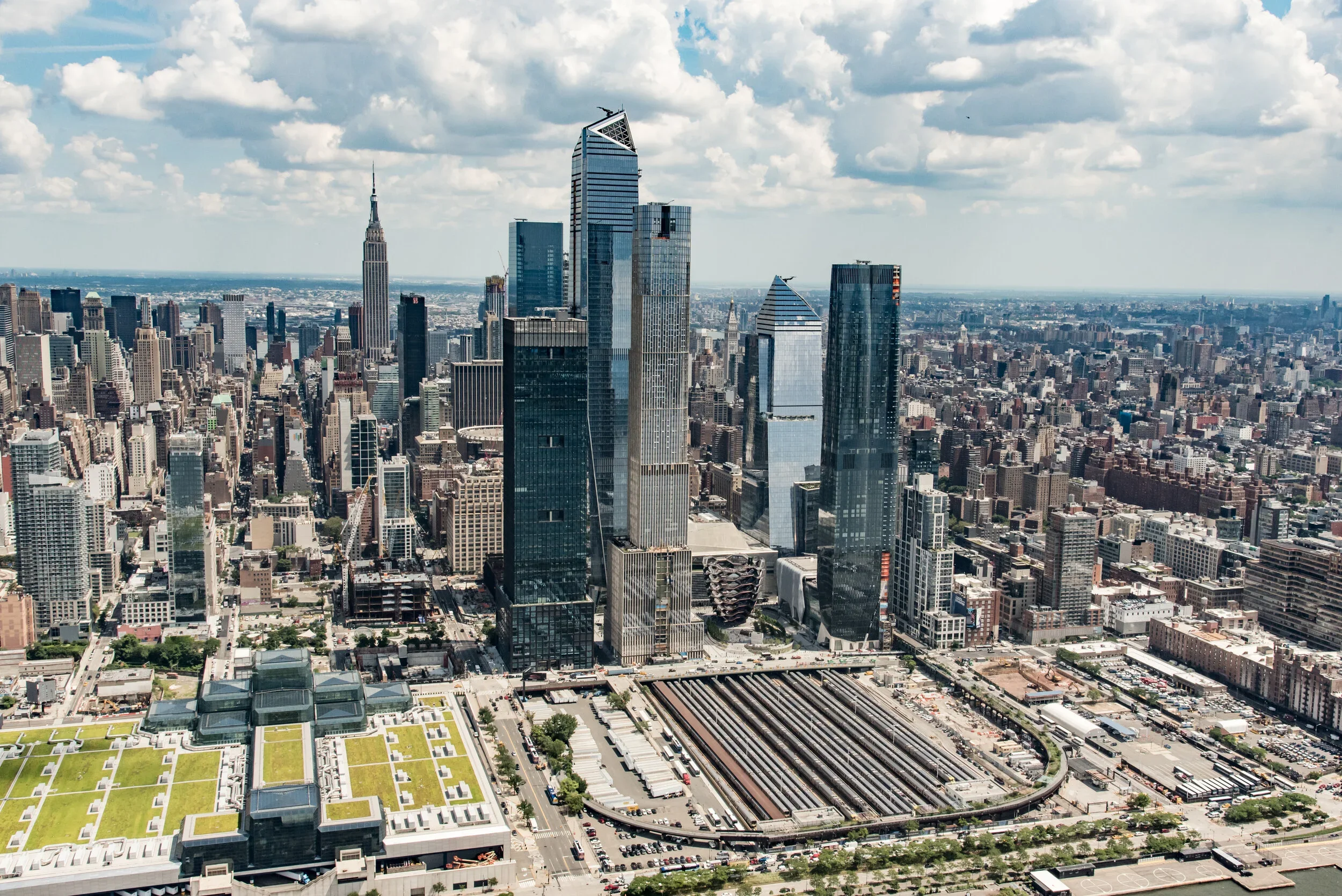
In a mixed-use development, CX is not managed venue by venue. It is designed across the whole. (photo: Hudson Yards, NYC)
The CX challenge in a mixed-use development is not the same as the CX challenge in any single venue within it. A person who stays at the hotel, dines at the restaurant, visits the spa, walks through the retail, and sits in the public plaza is having a single experience that crosses all of those operational domains. Whether that experience feels coherent or fragmented is a function of how well those domains were designed to work together.
Most mixed-use developments are designed and operated as a collection of separate venues that happen to share a building or a block. The developments that generate the strongest returns are the ones designed from the outside in, starting with the experience of a person moving through the whole, rather than from the inside out.
The Five Principles
1. One identity, multiple expressions.
The most successful mixed-use developments have a single overarching identity that each venue expresses in its own way. The hotel expresses it through service and room design. The restaurant expresses it through culinary point of view. The retail expresses it through curation. Each venue has its own character, but all are recognizably part of the same world. That coherence requires a shared brief established before any individual venue brief was written.
2. The transitions between venues are the CX moments most developments ignore.
The walk from the hotel lobby to the restaurant, the path between the spa and the pool. These are moments where the visitor is between designed experiences, navigating alone, and forming impressions of the overall development. In the best mixed-use projects, these transitions are designed as experiences in their own right: intuitive wayfinding, public spaces that invite pause, and environmental cues that orient the visitor within the overall identity.
3. Shared guest intelligence is a competitive advantage most developments are not using.
A hotel guest who also dines at the development's restaurant and visits the spa is generating data across three separate operational systems that, in most developments, never talk to each other. A development that integrates that data can deliver a level of personalization that no single venue operating independently can match. That integration is a significant CX advantage and a meaningful driver of loyalty across the whole development.
4. Programming is the connective tissue.
Shared programming that draws guests across multiple venues is the most powerful tool a mixed-use development has for creating a sense of place. A seasonal market in the public plaza that drives retail foot traffic. A chef's table series that fills the restaurant and generates hotel bookings from non-staying diners. A cultural event that uses the hotel lobby, the outdoor space, and the retail level simultaneously. Programming that spans venues builds identity that individual venue programming cannot.
5. Design for the daily visitor, not just the transient guest.
The residential component and surrounding neighborhood generates people who interact with the development weekly rather than on a single visit. These daily visitors determine whether the development becomes part of the fabric of its neighborhood or remains a destination that outsiders visit and locals pass through. Designing CX for daily habitation, not just the hotel guest, separates developments that become genuine urban amenities from those that perform well on opening and plateau.
