
CX as Competitive Infrastructure: Building a Customer Experience Strategy in Hospitality
Most hospitality operators manage customer experience. The ones who outperform their markets have built it as a system.
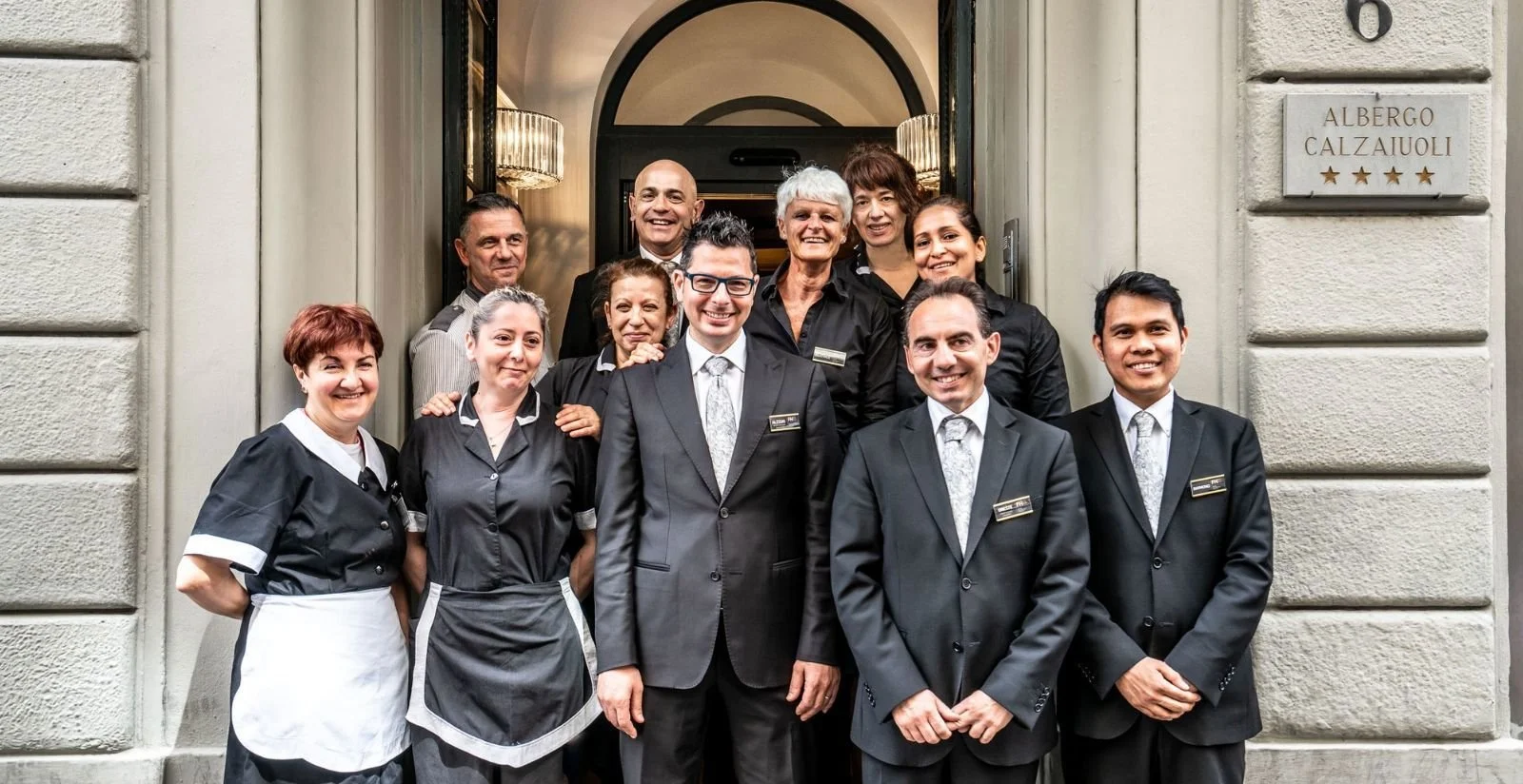
A customer experience strategy in hospitality is not a service manual. It is a competitive architecture.
Customer experience in hospitality gets talked about as though it were a department. Something that sits under rooms division, gets measured by post-stay survey scores, and improves when front desk training improves. That framing is not wrong exactly, but it is so incomplete that operators who accept it will consistently underinvest in the right places and miss the commercial outcomes that a genuine customer experience strategy in hospitality makes possible.
CX is not a department. It is an architecture. It is the sum of every decision a hotel makes about how guests are treated, what they are offered, how problems are resolved, and what they feel at each stage of their relationship with the property. When that architecture is designed intentionally and measured rigorously, it becomes a competitive advantage that is genuinely difficult for competitors to replicate.
The Difference Between Managing CX and Building CX Strategy
Managing CX means responding to what guests experience. A complaint comes in and it gets resolved. A review score drops and training gets refreshed. These are necessary capabilities. They are not a strategy.
Building a customer experience strategy means making proactive decisions about what guests will experience before they arrive, designing the conditions under which excellent service is possible rather than just expected, and measuring the outcomes that predict long-term performance. A hotel that builds CX as a proactive strategy will build something that compounds: faster score improvement, rising repeat rate, and a growing rate premium as the market recognizes that the experience consistently exceeds expectation.
Managing CX fixes problems. Building CX strategy creates conditions where fewer problems occur and the ones that do are handled in ways that strengthen rather than damage guest relationships.
The Four Pillars of a Hospitality CX Strategy
The first pillar is guest intelligence. This is the data infrastructure that tells the organization who its guests are, what they have experienced on property, what they have said about it, and what their behavior patterns predict about their future value. A hotel with good guest intelligence can anticipate what specific guests need before they ask.
The second pillar is experience standards. These are explicit, specific definitions of what excellent looks like at each touchpoint: the check-in takes no more than four minutes, the first request is fulfilled within fifteen minutes, the pre-arrival communication goes out seventy-two hours before arrival with a specific offer based on the guest's history. Standards specific enough to be measured can be managed. Aspirational but vague standards cannot be improved systematically.
The third pillar is staff empowerment. The most common failure point in hotel CX strategy is the gap between what the design requires and what the staff is empowered to deliver. Empowerment means giving staff the information, the authority, and the training to respond to guests as individuals rather than as transactions.
The fourth pillar is closed-loop measurement. Most hotels have feedback systems. Few have closed-loop systems where the feedback actually changes something and where the change is tracked to confirm it worked. Closed-loop measurement turns CX data from a reporting exercise into a continuous improvement engine.

CX strategy fails at the staff empowerment layer more often than anywhere else.
Organizational Structure and CX Ownership
The most consequential decision in building a CX strategy is who owns it. In most hotels, ownership is fragmented across departments. The hotels that have built genuine CX as a competitive advantage tend to resolve this in one of two ways: a dedicated CX role with cross-departmental authority, or a CX council chaired by the general manager that includes leadership from every guest-facing department.
Measuring CX in Ways That Connect to Financial Outcomes
The measurement problem in hospitality CX is not a shortage of data. The problem is that the metrics most commonly tracked have a weak connection to the financial outcomes that matter: rate, repeat rate, and cost of acquiring new guests.
The financial connection runs through three metrics most hotel CX programs do not track explicitly: repeat visit rate by guest segment, direct booking rate among repeat guests, and rate premium sustained relative to the competitive set over rolling twelve-month periods. These are the downstream consequences of CX quality over time.
For the tactical framework on how to design the guest journey this strategy delivers against, see guest journey design for hotels
For the physical and brand architecture supporting CX delivery, see the experience design framework for hotels
For how guest expectations are shifting in the luxury segment, see luxury guest experience trends
Where to Start
The practical entry point is a CX audit: a structured assessment of the current experience across all touchpoints, the gap between what the positioning promises and what guests report receiving, and the organizational capabilities that would need to be built to close that gap.
The audit typically reveals that the highest-priority investments are not in the obvious places. It is rarely the physical product that is the primary source of the gap. It is the consistency of the human delivery, the quality of pre-arrival and post-stay communication, and the organizational mechanisms that allow guest intelligence to inform real-time service decisions.
CX strategy in hospitality is infrastructure. It takes time to build, requires sustained investment to maintain, and its returns compound in ways that are not always visible in the first quarter. The operators who have committed to building it correctly are the ones whose assets are hardest to compete with.
