
The Journey Is the Product: Guest Journey Design for Hotels
Most hotels manage touchpoints. The ones guests remember, return to, and pay more for design them.
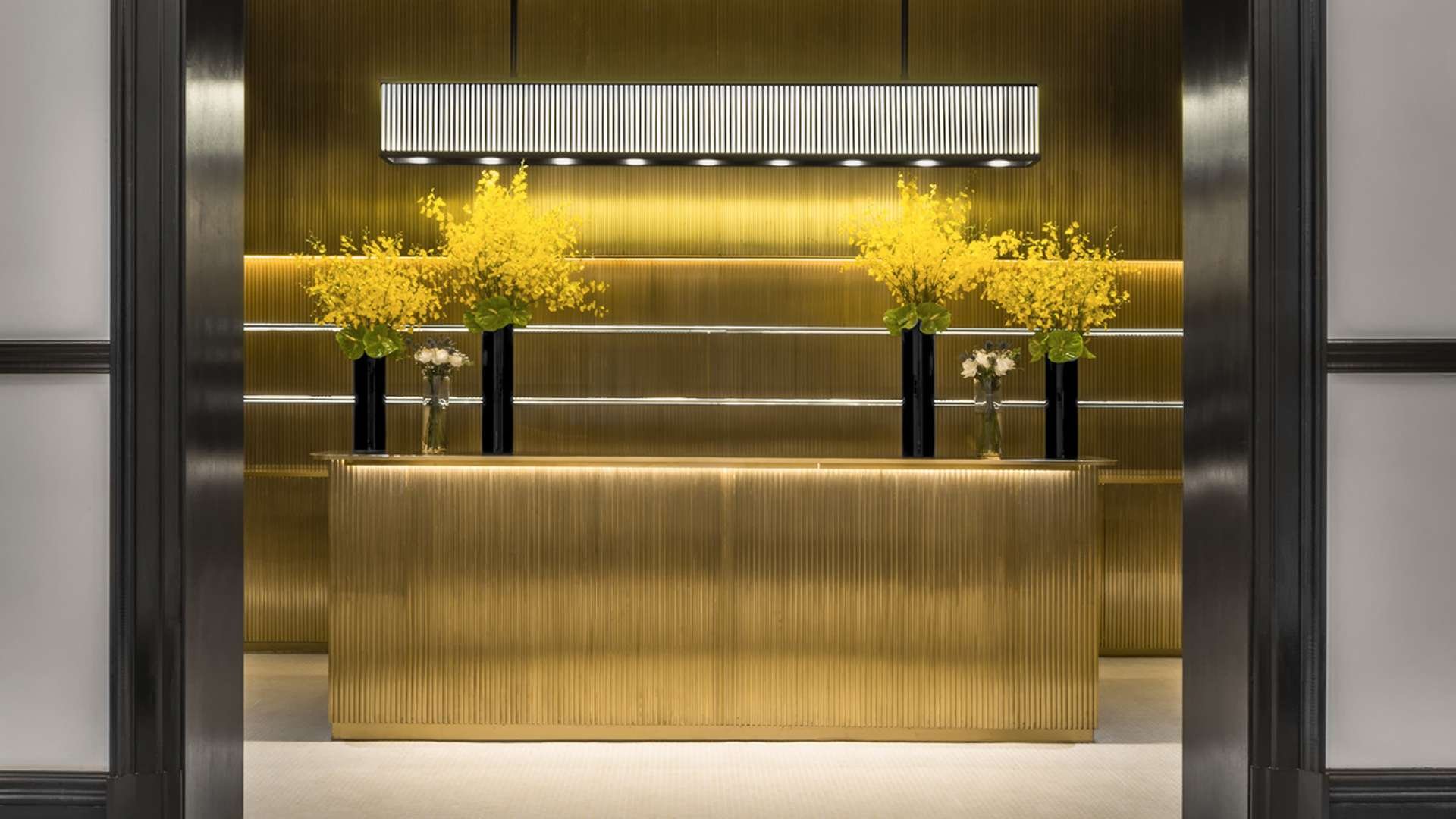
Guest journey design starts before the guest arrives and extends long after they leave. (photo: Bulgari, Shanghai)
There is a version of hotel operations where the guest experience is a series of discrete events: check-in, room delivery, breakfast, checkout. Each event is managed independently by a different department, measured by its own metrics, and staffed to a standard that has more to do with labor cost than guest impact. That version of operations is still the default in most hotels. It is also why most hotels cannot explain why their review scores plateau, why repeat rates stay flat, and why rate premiums feel out of reach.
Guest journey design is the alternative. It treats the entire arc of a guest's relationship with a property as a single designed experience, with intentional decisions at every stage about what the guest feels, what they are offered, and how each moment connects to the next. The difference between a hotel that manages touchpoints and one that designs a journey is not a matter of budget. It is a matter of thinking.
What Guest Journey Design Actually Means
The guest journey begins before the guest arrives and ends after they leave. That span covers five distinct phases, each with its own emotional register, its own set of decisions, and its own leverage on the overall experience. Most hotels manage two of these phases well. The properties that consistently outperform their competitive sets manage all five with intention.
Pre-arrival is where anticipation is built or squandered. The confirmation email, the pre-arrival communication, the ease of making a dinner reservation or a spa booking before check-in. These are not administrative tasks. They are the first impression of how the hotel treats a guest, and they happen before a single person on the property has made eye contact with anyone.
Arrival is the moment that sets the emotional tone for everything that follows. Research on memory formation consistently shows that first impressions are disproportionately weighted in how people evaluate an overall experience. A five-second interaction at the door, a lobby that smells right and feels alive, a check-in that takes two minutes rather than ten. These are high-leverage moments that cost almost nothing to get right and cost significant rate premium to get wrong.
In-stay is where the journey either delivers or disappoints against the promise the brand made. It is also where most hotels stop designing and start reacting. The in-stay phase is not just room quality and F&B execution. It is every moment of contact between the guest and the property: the response time on a request, the quality of the recommendation the concierge gives, the way housekeeping handles a suite when the guest is in it.
Departure is the most consistently underinvested phase in hotel guest journey design. Most hotels treat it as a logistical event. The best hotels treat it as an emotional close, a chance to confirm what the stay meant, to make the guest feel that leaving is a loss worth reversing.
Post-stay is where loyalty is either built or left on the table. The follow-up communication, the offer that reflects what the guest actually did during their stay rather than a generic promotion, the moment when the hotel demonstrates that it remembers who this person is. These are the decisions that determine whether a satisfied guest becomes a returning guest.
The guest journey begins before arrival and ends long after checkout. Most hotels only design the middle.
Mapping the Journey: Where to Start
A guest journey map is not a customer service diagram. It is a strategic document that forces an organization to see its property from the outside in rather than the inside out. Building one correctly requires asking a different set of questions than hotels typically ask about their operations.
The starting point is the target guest, defined with enough specificity to be useful. Not 'upscale leisure traveler' but a profile detailed enough to predict how that person searches for hotels, what they read before booking, what they notice when they arrive, what they need during the stay, and what would make them come back.
From there, the map traces every point of contact between that guest and the property. At each touchpoint, the map records what the guest is doing, what they are feeling, what they need, and what the property currently delivers. The gap between need and delivery at each touchpoint is where the design work lives.
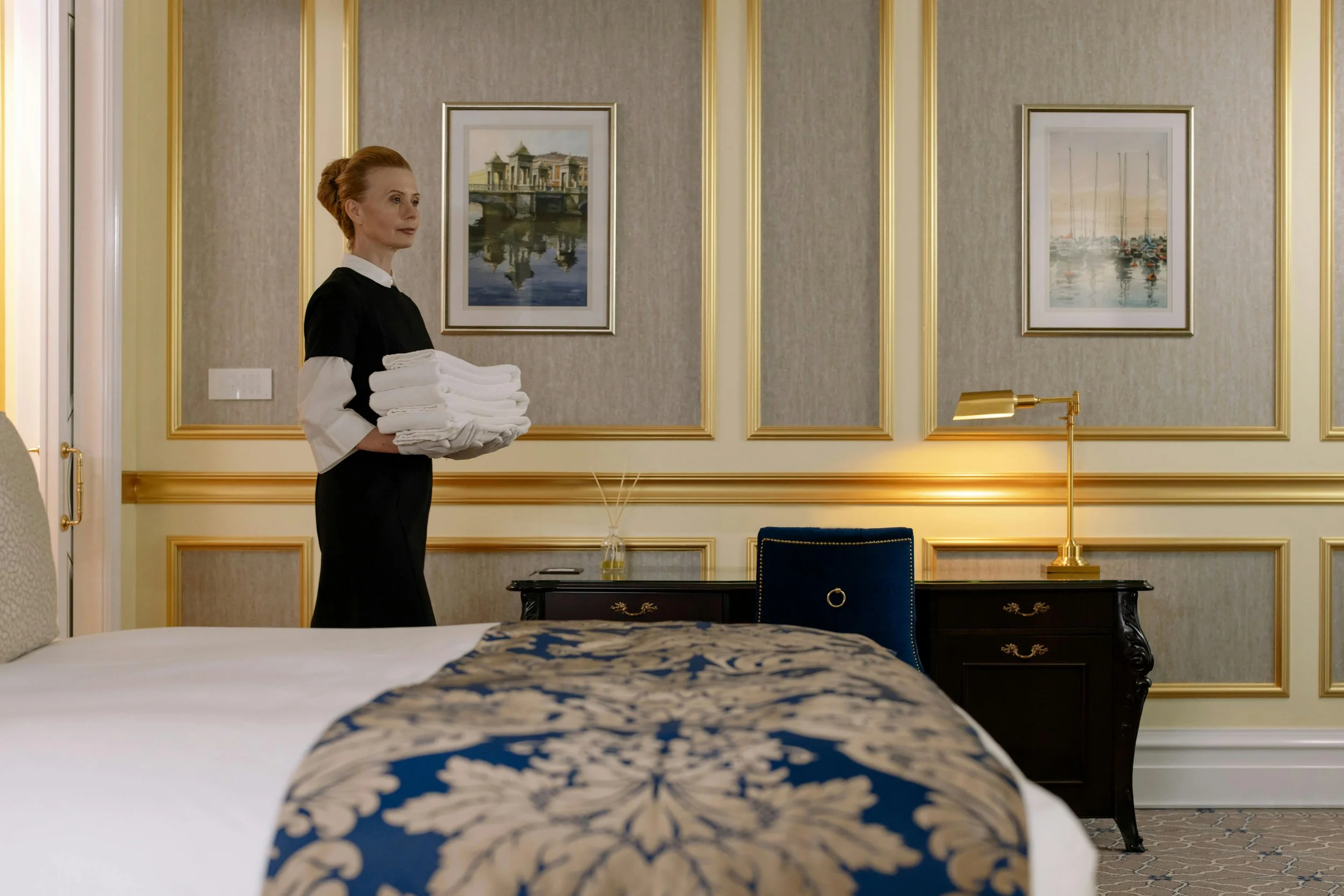
Every touchpoint in the guest journey is a choice about what the hotel believes hospitality means.
The Touchpoints That Move the Needle Most
Arrival is the highest-leverage single moment in the hotel guest journey. Studies on peak-end theory consistently show that people remember experiences by their most intense moment and their final moment. Arrival is the peak. Departure is the end. Both deserve design investment that most hotels currently direct toward the middle of the stay.
The first request after check-in is the second highest-leverage moment. A slow, indifferent, or incorrect response signals to the guest that they will need to manage their own stay. A fast, warm, accurate response signals that the property has their needs covered. The rest of the stay unfolds against whichever of those impressions the hotel creates.
F&B is the third highest-leverage category, not because of food quality, which is table stakes at any competitive price point, but because of the emotional texture of the experience. A meal that feels like a genuine destination, that the guest would choose independent of their room, elevates the entire property in retrospect.
The Connection Between Journey Design and Asset Value
Guest journey design has direct, measurable consequences for the financial performance of a hotel asset. The mechanism runs through three channels: rate premium, repeat rate, and review score, all of which compound over time into the occupancy and RevPAR metrics that determine asset valuation.
Repeat rate is the most reliable predictor of sustainable RevPAR in any hotel market. A hotel that generates 35 percent of its demand from repeat guests has a fundamentally different cost of acquisition, a more predictable revenue base, and a stronger negotiating position with OTAs than one that is rebuilding its guest base from scratch every quarter.
For how guest experience connects to broader hotel performance, see luxury guest experience trends
For the strategic framework connecting experience design to brand positioning, see the experience design framework for hotels
For operators thinking about CX at the organizational level, see customer experience strategy in hospitality
Where Most Hotels Fail the Journey
The most common failure in hotel guest journey design is not a single bad touchpoint. It is disconnection. The pre-arrival team does not communicate with the rooms team. The rooms team does not communicate with F&B. The result is a guest whose preferences and history have to be re-explained at every handoff, communicating that the hotel does not know who they are.
The second most common failure is designing the product without designing the people. A hotel can invest heavily in the physical environment, the technology, and the programming, and still deliver a mediocre journey if the staff does not understand what role they play in the overall experience.
The third failure is measuring the wrong things. A journey map paired with touchpoint-specific measurement gives operators the diagnostic precision to improve the right things rather than the most visible things.
Starting the Design Work
Start with arrival. Then pre-arrival communication. Then the first request. Fix those three and the rest of the journey becomes easier to improve, because the foundation of guest trust has been established before any of the harder design problems need to be solved.
The hotels that have done this work consistently report the same outcome: not that the stay becomes more elaborate, but that it becomes more coherent. Guests stop noticing the individual touchpoints and start experiencing the property as a whole. That coherence is what they remember. It is what they come back for. And it is what they pay a premium to access again.
