
What Luxury Guests Actually Want Now: Luxury Guest Experience Trends Defining 2026
The definition of luxury in hospitality has shifted fundamentally. Operators still working from the old definition are building the wrong product for the wrong guest.
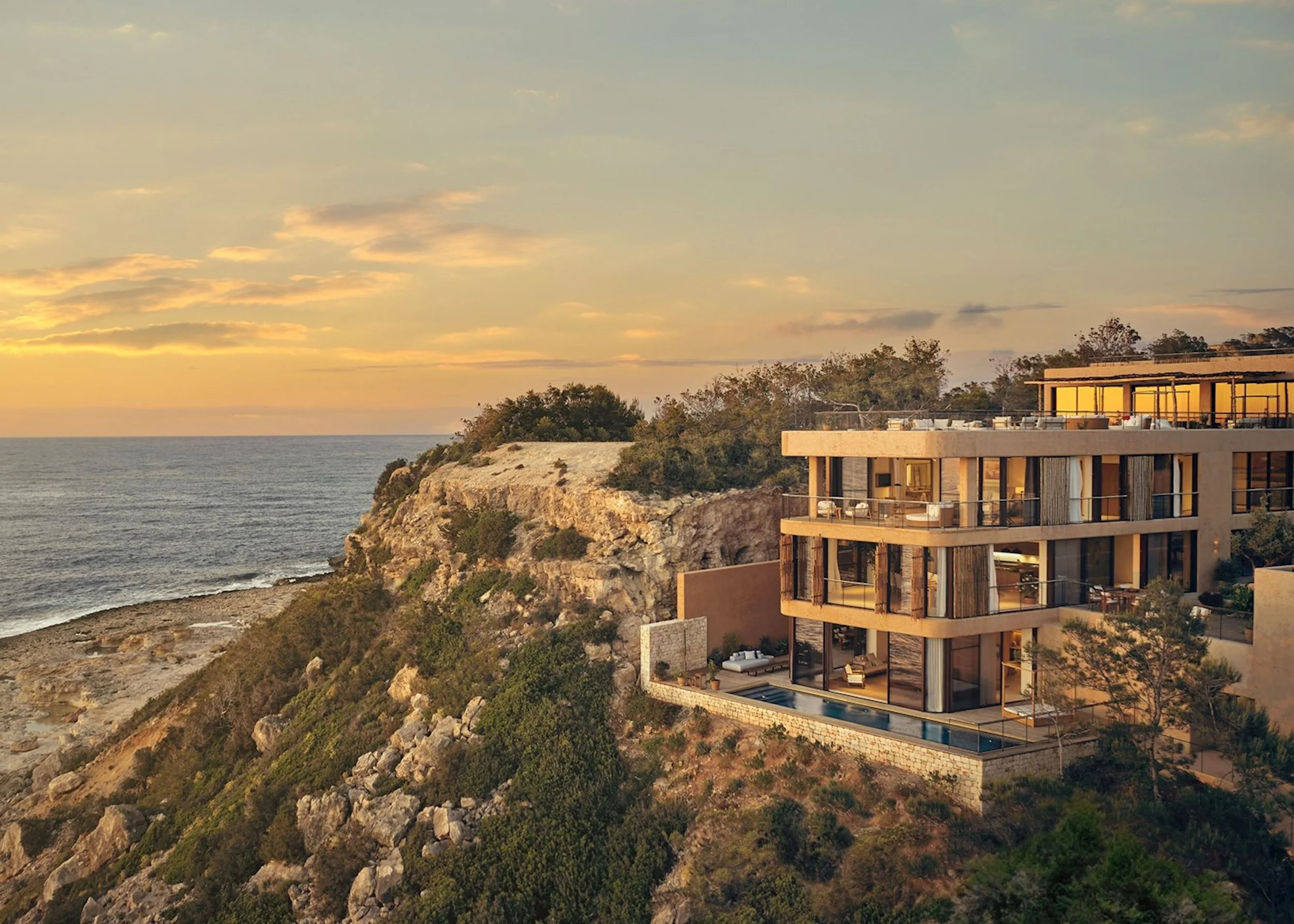
Luxury in 2026 is not defined by what a hotel has. It is defined by what it knows about who its guests are. (photo: Six Sense, Ibiza)
Luxury hospitality has always been a moving target, but the pace of redefinition has accelerated. The guest profile that the industry built its assumptions around: older, status-driven, comfort-seeking, brand-loyal in the traditional sense, has been joined and in many markets displaced by a different kind of high-value traveler. This guest is younger, more culturally fluent, more skeptical of legacy prestige signals, and more willing to pay significant rates for experiences that feel genuinely specific rather than generically excellent.
Understanding the luxury guest experience trends reshaping the market is not an academic exercise. It is a commercial necessity. The hotels reading this shift correctly are building products and programming that capture the rate premium the new luxury guest is willing to pay. The hotels still operating from a ten-year-old definition of luxury are watching that premium compress and wondering why.
Trend One: Specificity Over Comprehensiveness
For most of the twentieth century, luxury hospitality competed on comprehensiveness. The most prestigious properties were the ones with the most: the most room categories, the most restaurant options, the most spa treatments. That logic has inverted. The high-value guest of 2026 reads comprehensiveness as a signal of mediocrity. A property that offers everything is a property that has made no choices, and a property that has made no choices does not know who it is for.
A single F&B concept executed at a genuinely exceptional level generates more rate premium, more repeat visits, and more word-of-mouth than three F&B concepts executed at a merely excellent level. Investment has shifted from breadth to depth.
Trend Two: The Collapse Of The Service-Technology Binary
A significant portion of the luxury hospitality industry has been debating the wrong question about technology for the past decade. The framing of service versus technology is a false binary. The high-value guest of 2026 does not experience technology and human service as competing values. They experience friction as the enemy.
Technology that removes friction is not a threat to the luxury experience. It is an enhancement, because it frees the human interaction for the moments where it actually matters. The luxury properties navigating this correctly are precise about which moments benefit from technology and which require a person who is present, informed, and empowered to decide on the spot.
The Luxury Guest Does Not Want Less Technology Or More Technology.
They Want Zero Friction And Maximum Human Presence At The Moments That Count.
Trend Three: Wellness As Identity, Not Amenity
The wellness category in luxury hospitality has undergone a structural transformation. In 2026, the high-value guest's expectation of wellness has moved beyond programming into identity: the hotel itself, as a physical environment and an operating philosophy, should support a healthier way of living.
This extends into room design, where circadian lighting, air quality, and sleep environment have become primary guest concerns. It extends into F&B, where menus that are nutritionally intentional have become a baseline expectation. A hotel that has built a wellness identity running through the entire guest experience can sustain ADR premiums that a hotel with a good spa and a yoga class cannot.
Trend Four: Cultural Credibility As A Rate Driver
One of the most significant luxury guest experience trends of the past five years is the shift in how high-value travelers relate to the cities their hotels occupy. The old model was insulation: the luxury hotel as a protected environment offering a consistent international standard. That model is increasingly irrelevant to the guest profile driving rate growth.
The high-value guest of 2026 is in the city on purpose. A hotel that could be anywhere is no longer a luxury. Cultural credibility, expressed through locally anchored F&B, neighborhood-specific programming, and staff who genuinely know and love the city they work in, has become one of the primary drivers of rate premium in the luxury segment.
Trend Five: Privacy And Exclusivity Redefined
The privacy that the contemporary luxury guest values most is not always geographic. It is relational. The sense that the hotel staff knows who they are without requiring them to explain themselves. The experience of moving through a property where the friction of being a stranger has been removed. This requires investment in data, training, and operational integration rather than in physical isolation.
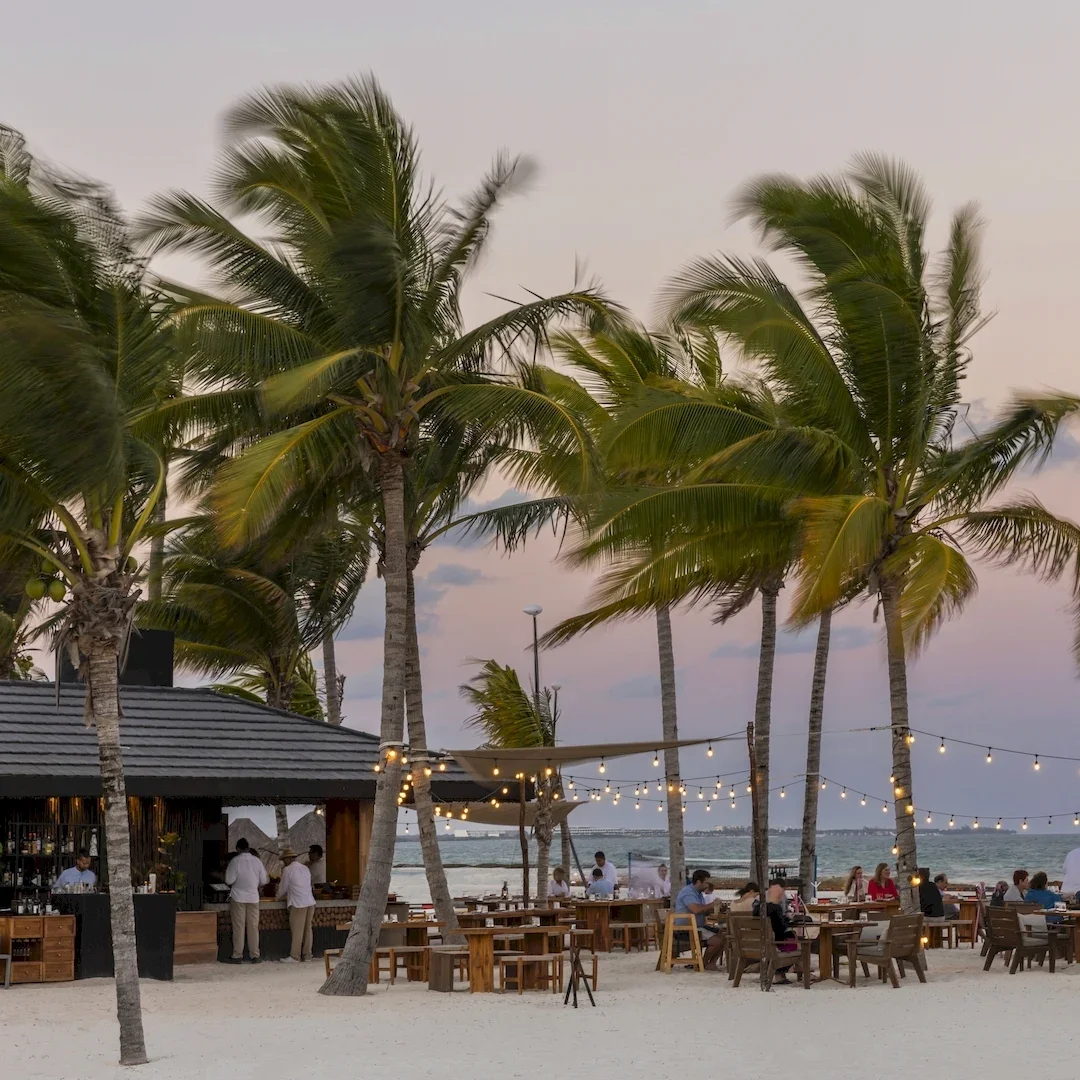
Cultural credibility cannot be designed. It has to be earned through genuine integration with the city the hotel occupies. (photo: Fairmont, Mayakoba)
Trend Six: The Experience Economy Has Reached Its Maturity Phase
The high-value guest of 2026 does not need to be convinced that experiences are worth paying for. What they are now evaluating is whether the specific experience a hotel offers is worth the specific premium it charges, and they are making that evaluation with more sophistication than the market anticipated.
Guest tolerance for the gap between promise and delivery has narrowed considerably. The rate ceiling in any luxury market is determined by the operators taking experience design most seriously.
For The Strategic Framework For Designing Guest Experiences That Meet These Expectations, See Guest Journey Design For Hotels
For The Organizational Architecture That Makes Excellent Experiences Repeatable, See Customer Experience Strategy In Hospitality
For How Experience Design Connects To Physical Space And Brand Architecture, See The Experience Design Framework For Hotels
What These Trends Require Of Operators
The through line across all six trends is the same: the high-value guest of 2026 is paying for precision. Precision in what the hotel offers and why. Precision in how the service is delivered. Precision in the gap between what the brand promises and what the guest actually experiences.
The properties capturing the available rate premiums are not necessarily the most beautiful or best resourced. They are the most intentional. That intentionality is the product. Everything else is the vehicle for delivering it.
