
Building the Full Picture: An Experience Design Framework for Hotels
A hotel is not a building with a service layer. It is a designed experience where every element, from the physical space to the people to the programming, either works together or works against itself.
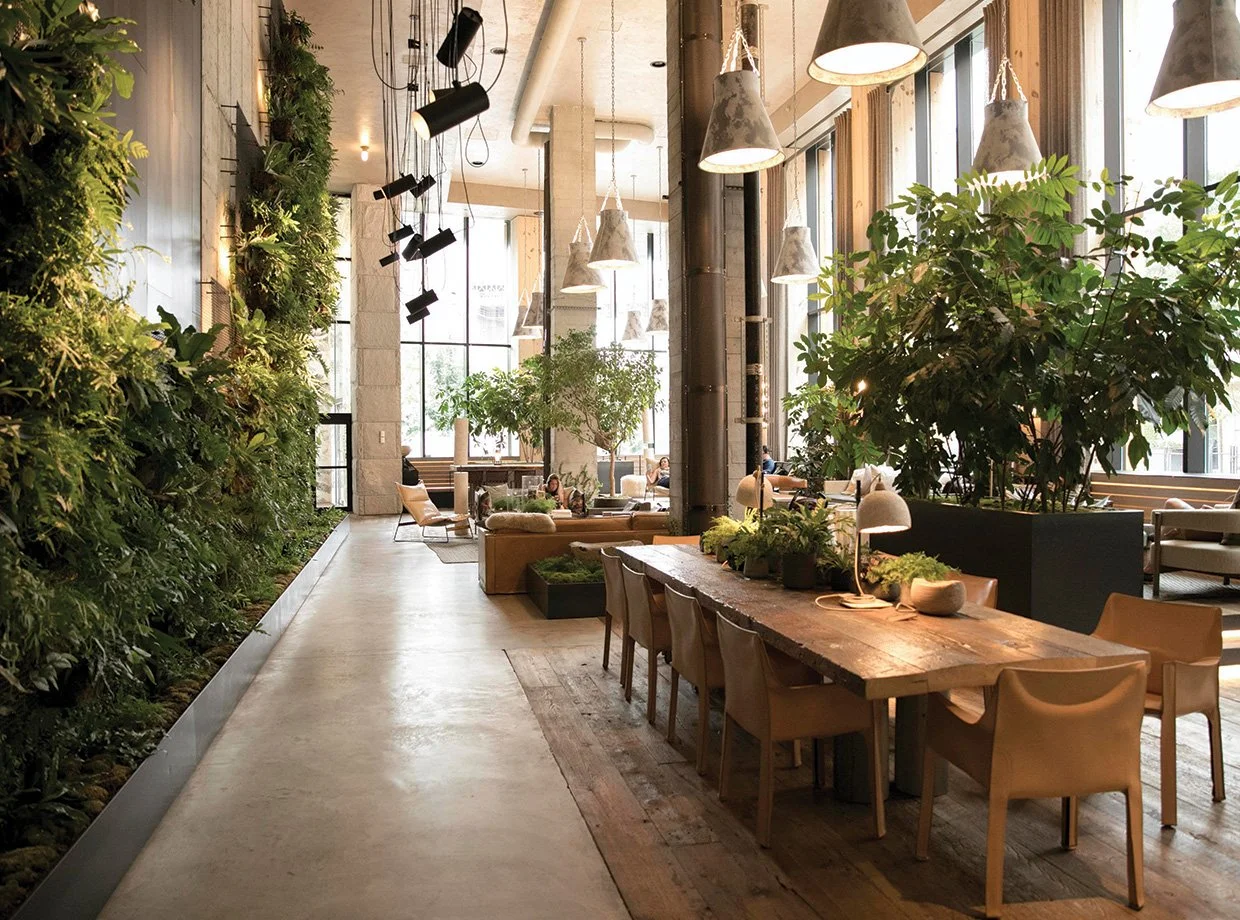
Experience design in a hotel is the discipline of making every element point in the same direction. (photo: 1 Hotel Brooklyn Bridge)
The word design gets applied narrowly in hospitality. It usually means the interior: the palette, the furniture selection, the lighting plan. These are genuine design decisions and they matter, but they represent a fraction of what determines the experience a guest actually has. A hotel can be beautifully designed in the interior sense and still deliver an experience that is mediocre or incoherent, because the physical design and the service delivery and the programming and the brand identity are not working from the same brief.
An experience design framework for hotels treats all of these elements as components of a single designed system. Physical space, brand identity, programming, service standards, and the technology that connects them are layers of the same experience, and the quality of that experience is determined by how well those layers align, not by how excellent any single layer is in isolation.
Layer One: The Physical Environment
The physical environment is the container for everything else in the guest experience. It sets the emotional tone before a single word is spoken. Physical environment design in an experience framework is not primarily about aesthetics, though aesthetics matter. It is about sequence and legibility. How does a guest move through the space? What does the physical environment communicate about who this hotel is for?
The most common failure in hotel physical design is designing for photography rather than for inhabitation. A lobby that looks extraordinary in a wide-angle shot but functions poorly as an arrival experience, or a guest room that photographs as a luxury suite but has no surfaces to put things down, is a physical environment optimized for the wrong audience.
Layer Two: Brand Identity and Narrative
Brand identity in an experience design framework is not the logo or the color palette. It is the specific answer to the question every hotel implicitly makes a claim about: who is this for, and what does being here mean? When that answer is specific and held consistently across every element, it creates the coherence that guests feel but usually cannot articulate. When they describe a hotel as having a great vibe or a strong sense of place, what they are describing is coherent brand identity expressed through physical space, service style, programming, and F&B simultaneously.
When guests say a hotel has a great vibe, what they are describing is coherent brand identity expressed through physical space, service, programming, and F&B at the same time.
Layer Three: Programming and Activation
Programming is the most underutilized layer in hotel experience design, and the layer with the highest leverage on how a property is perceived relative to its competitive set. Two hotels with similar physical products and comparable service standards can occupy completely different positions in a market based on the quality and specificity of their programming.
A hotel that runs a monthly cultural event series may break even on direct costs. But if that series generates earned media, attracts new guests, and gives existing guests a reason to return, the return on the programming investment is significant and compounding.

Programming is how a hotel's identity becomes something guests experience rather than something they read about. (photo: Third Eye Blind @ Rose Bar at the Gramercy Park Hotel)
Layer Four: Service Design and Delivery
Service design is where experience design frameworks most commonly break down, because service is improvised in real time by people with different training and different levels of engagement with the brand identity. Service design means making the service as designed as the physical space.
That requires three things: service standards specific enough to be consistent, hiring criteria that prioritize cultural fit with the brand identity over generic hospitality competency, and empowerment structures that allow staff to respond to guests as individuals within a defined range of discretion.
The Integration Problem
The reason an experience design framework is necessary is that integration between layers is where value is created or destroyed. A hotel with a beautiful physical environment staffed by people who do not embody the brand identity it expresses is a hotel where the guest will notice the disconnect.
Integration requires a shared brief, regular communication between teams responsible for each layer, and measurement that evaluates the experience as a whole rather than evaluating each layer independently.
For the guest journey mapping that translates this framework into operational touchpoints, see guest journey design for hotels
For the organizational strategy that makes this framework durable over time, see customer experience strategy in hospitality
For how evolving guest expectations shape what the framework needs to deliver, see luxury guest experience trends
Applying the Framework: Where to Start
The practical starting point is an alignment audit: a structured assessment of how well the four layers are aligned with each other and with the brand identity the property is trying to project. The audit almost always reveals that misalignment is not evenly distributed. There is usually one layer where the gap is widest and where closing it produces the largest improvement in overall experience coherence.
The goal is not a perfect hotel. It is a coherent one. A hotel where every element is pointing in the same direction, where guests feel a specific sense of place they could not have gotten anywhere else, and where that specificity justifies a rate premium that compounds into long-term asset value.
