
The Story Is the Strategy: Hospitality Storytelling That Builds Brands Worth Talking About
Every hotel has a story. Very few of them know what it is, and fewer still know how to tell it in a way that makes anyone care.
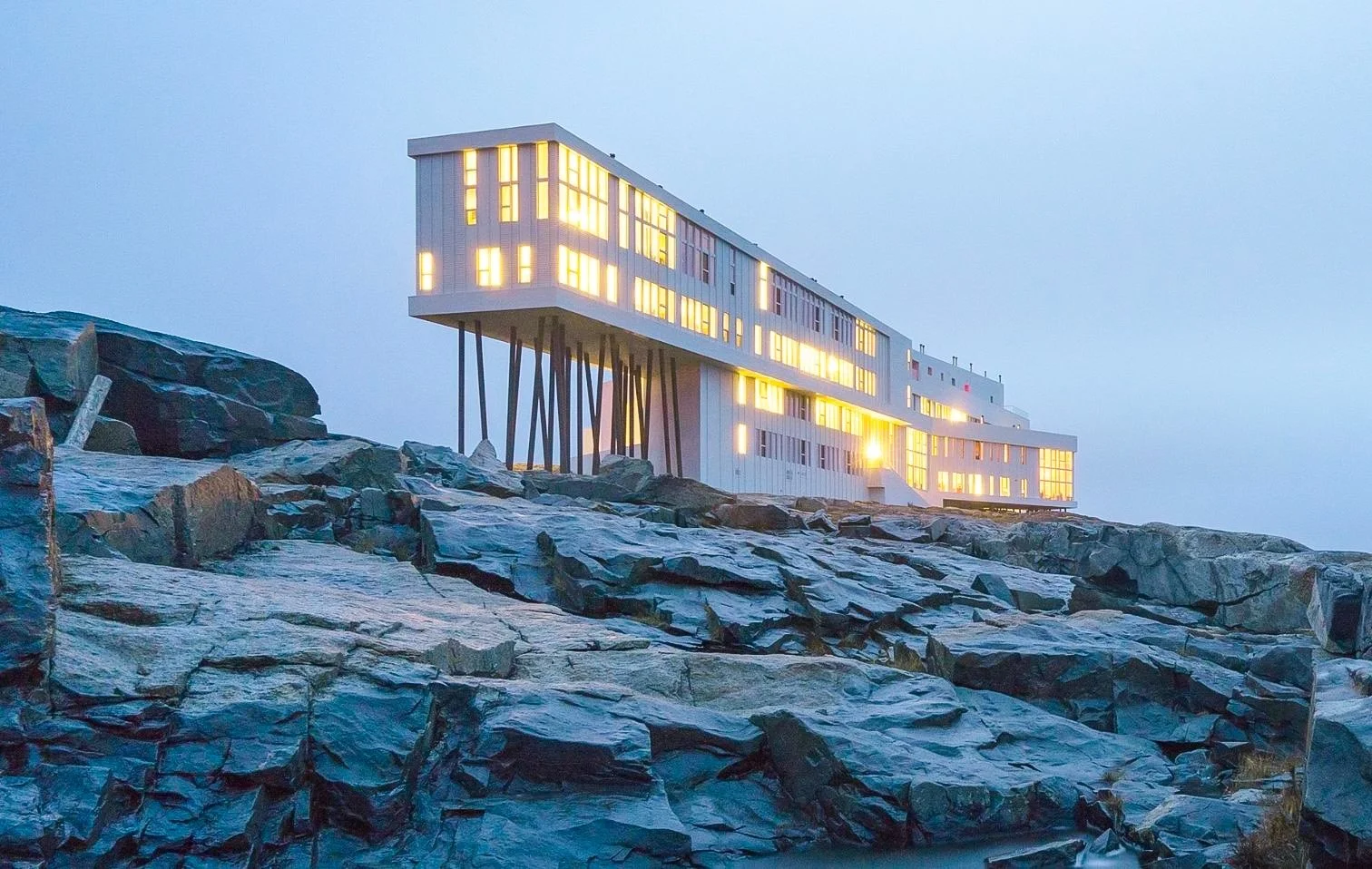
The hotels with the most loyal guests are almost never the most beautiful. They are the most legible. (photo: the regenerative Fogo Island Inn)
Hospitality storytelling is not a content marketing strategy. It is not a social media editorial calendar or a PR narrative about what makes the hotel unique. Those things can be expressions of a story, but they are not the story itself. The story is the answer to a deeper question that every hotel with a genuine brand has resolved and every hotel without one has not: what is this place, who does it exist for, and why does it matter that it exists at all?
That question is also one of the most commercially consequential questions a hospitality operator can answer well, because the hotels that have a clear, specific, and genuinely held answer generate a kind of guest attention and loyalty that hotels without one cannot manufacture regardless of how much they spend on marketing, photography, or influencer partnerships.
Why Story Is the Only Brand Asset That Cannot Be Copied
A competitor can match your room product, your price point, your amenities package, and your F&B concept. They cannot match your story, because your story is the one true thing about your hotel that is not replicable: the specific combination of place, people, history, and intention that makes this property what it is and not something else.
Guests who make their hotel selection based on meaning rather than value are less price-sensitive, less likely to defect to a competitive alternative, and more likely to generate the word-of-mouth and editorial coverage that compounds a hotel's brand equity over time without requiring proportional marketing investment.
The Structure of a Hospitality Story That Works
The most effective hospitality stories have a specific point of view, a specific protagonist, and a specific tension. The point of view is what the hotel believes about the world and about hospitality. The protagonist is the guest the hotel is designed for, described with enough specificity that they recognize themselves in the story. The tension is the gap between what that guest currently experiences in the world and what this hotel offers them instead.
Heckfield Place in Hampshire tells a story about a different relationship between food, land, and time. The hotel's biodynamic farm is not an amenity. It is the protagonist of a story about what it means to eat, sleep, and live in genuine connection with a specific piece of English countryside. Fogo Island Inn in Newfoundland tells a story about a community, an artist, and the belief that a hotel can be an act of economic and cultural resilience. That story generates international editorial attention, waiting lists, and room rates that are extraordinary by any measure, in a location that no conventional hospitality logic would underwrite as viable.
The most commercially powerful hospitality stories are the ones specific enough to repel the wrong guest and magnetic enough to make the right guest feel they have found something made for them.
Where the Story Lives: The Channels That Matter
One of the most persistent errors in hospitality storytelling is confusing the story with the channels through which it is told. A hotel that invests heavily in Instagram content and influencer partnerships without first establishing a clear and specific story is producing content without narrative. That content may generate impressions and engagement, but it does not build the brand belief that translates into booking decisions and rate premium.
The most underestimated channel in hospitality storytelling is the physical environment of the hotel itself. The lobby is a storytelling medium. The room is a storytelling medium. The menu, the staff uniform, the scent, the music, the books on the shelf: each is an opportunity to express the story or to contradict it. A hotel whose physical environment tells a different story than its marketing is actively undermining the guest's ability to believe the brand.
Editorial Coverage as a Storytelling Outcome
The hotels that generate the most consistent and valuable editorial coverage are almost always the ones with the clearest stories, because writers and editors are looking for the same thing a reader is looking for: a narrative with a specific point of view, a protagonist worth following, and an outcome worth caring about. A hotel that can give a journalist a specific, compelling, genuinely unusual story will generate coverage that no advertising budget can buy, in publications that reach exactly the guests the hotel wants to attract.
The hospitality stories that generate the most valuable editorial coverage tend to share a specific quality: they reveal something true about the world that the reader did not know before they encountered the hotel's story. That quality of revelation is not manufactured through PR strategy. It is the natural output of a hotel committed to a specific, honest, and deeply held narrative.
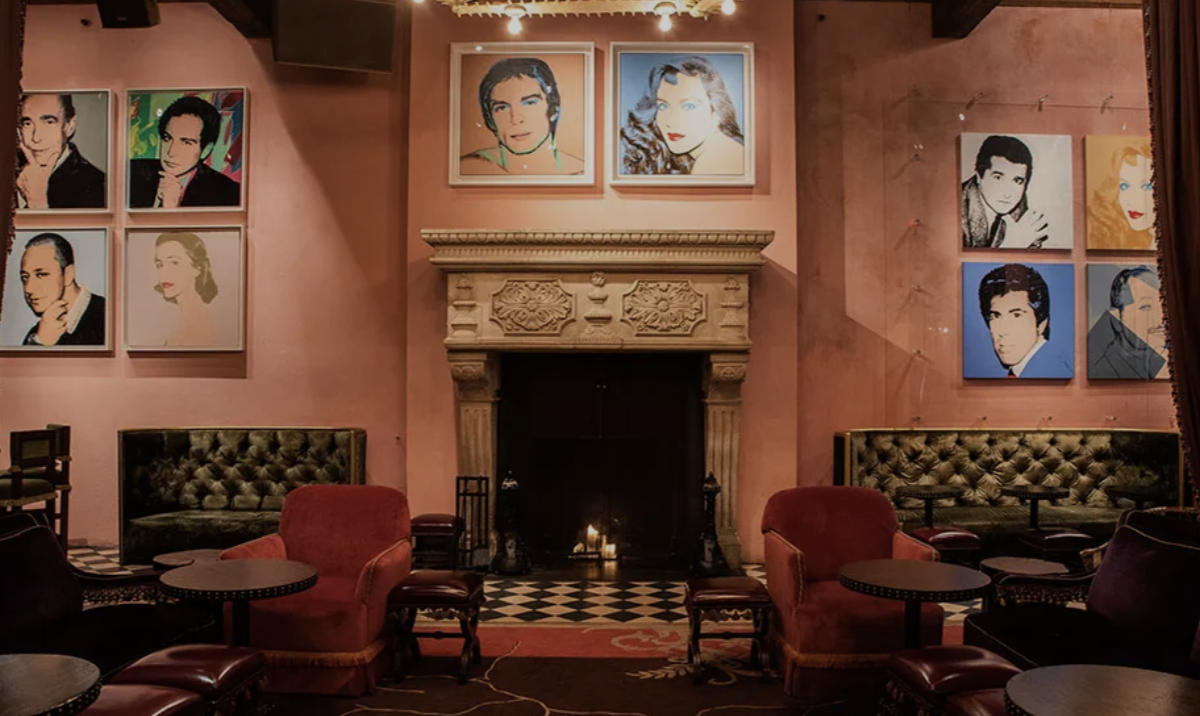
The most powerful hospitality storytelling happens before the guest reads a single word of marketing copy. (photo: Rose Bar in the Gramercy Park Hotel)
Keeping the Story Alive Through Operations
The challenge that separates hotels with genuine storytelling capability from those that treat it as a marketing project is the operational dimension of narrative. A story confined to the website, the press kit, and the Instagram feed is a story that guests encounter before they arrive and abandon when they check in, because the physical experience does not continue to tell it.
Keeping the story alive through operations means making the narrative visible and active across every guest-facing function. It means training the staff not just on service standards but on the hotel's story, so that a guest who asks why the hotel does things the way it does gets an answer that is genuine and specific rather than scripted and generic.
For the brand architecture that gives a hotel story a structure durable enough to survive operational pressure, see hotel branding strategy
For the positioning decisions that determine what story a hotel can credibly tell in a specific market, see lifestyle hotel positioning
For the creative execution that translates a hotel's narrative into every guest-facing element, see creative direction in hospitality
The Commercial Case for Storytelling Investment
The return on investment in hospitality storytelling is genuine but requires a different measurement framework than most hotel marketing investments. The commercial outcomes that storytelling generates, rate premium, earned media value, word-of-mouth reach, loyalty depth, and the cultural positioning that makes a hotel a destination rather than a commodity, are real and substantial but accrue over years rather than quarters.
The hotels that have committed to genuine storytelling and held that commitment over five or more years have, without exception in the markets I have studied, built brand positions that their competitors cannot touch with conventional marketing investment. The story is the moat. It just takes longer to dig than most marketing budgets are structured to accommodate.
