
Own a Position, Not a Category: Lifestyle Hotel Positioning That Builds Competitive Moats
The lifestyle hotel segment is crowded, fast-moving, and getting harder to differentiate. The operators who are winning it are not trying to be the best lifestyle hotel. They are trying to be the only one of their kind.
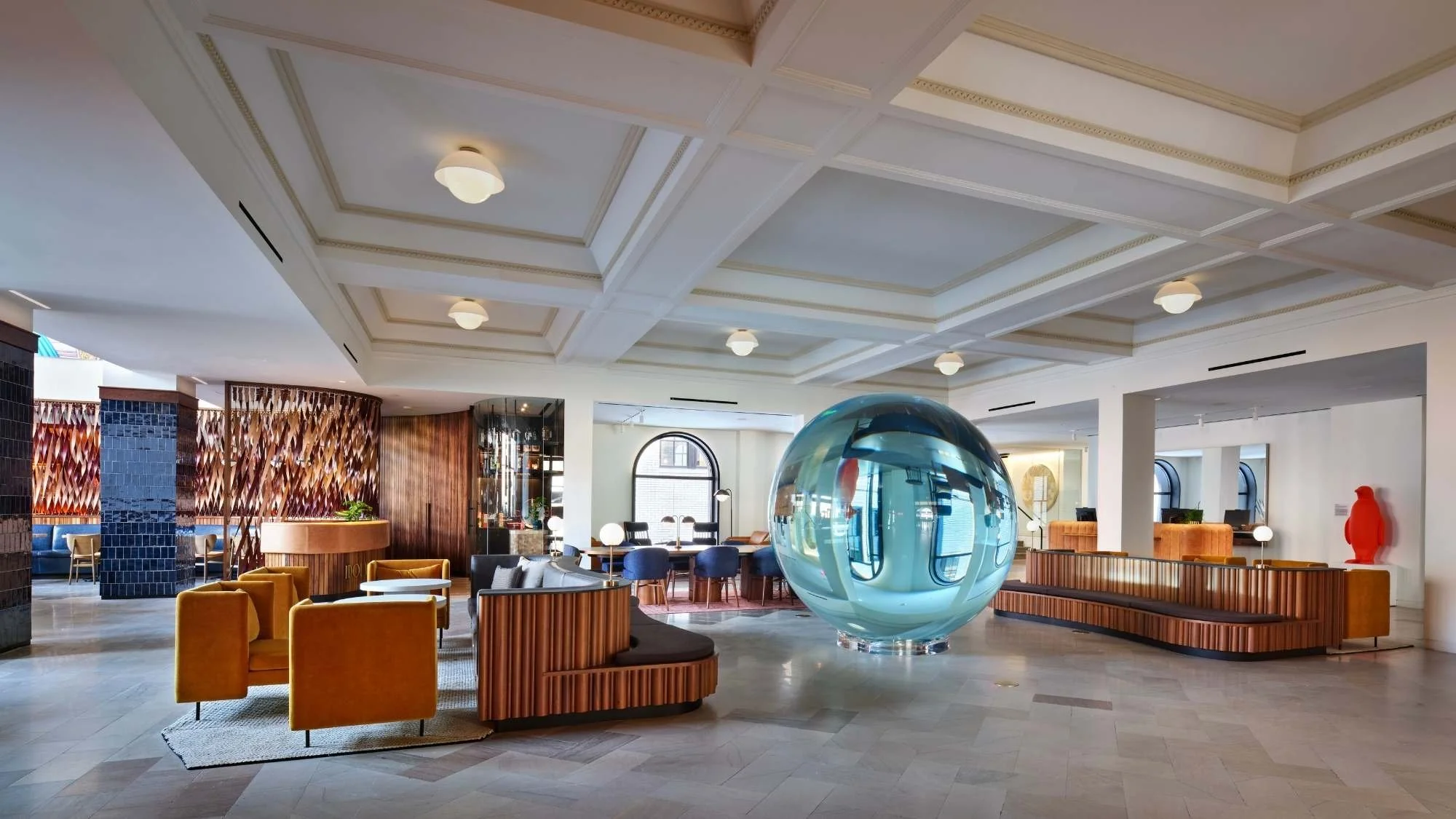
Lifestyle hotel positioning is not about being different from your competitors. It is about being specific enough that comparison becomes irrelevant. (photo: 21C Museum Hotel, St. Louis, USA)
The lifestyle hotel category has been the growth story of hospitality for fifteen years, and it has reached the point that growth stories always reach when enough capital chases a successful format: the differentiating characteristics that made the category exciting have become the baseline expectations of the guest. The operators who built their positioning around being a lifestyle hotel rather than around being a specific, irreplaceable version of one are discovering that their competitive position is thinner than it looked during the expansion.
The lifestyle hotel that positioned itself on the basis of local art, locally sourced F&B, and a genuinely independent sensibility was genuinely differentiated in 2012. In 2026, those characteristics are present in some form in nearly every hotel that aspires to compete above the select-service tier. The operators who built a specific identity rather than a category membership have something the market cannot commoditize.
The Positioning Trap: Why Most Lifestyle Hotels Compete at the Category Level
The positioning trap in the lifestyle hotel segment is the natural result of how most hotel concepts are developed. A developer or operator identifies the lifestyle segment as an attractive market, benchmarks the best-performing properties in that segment, synthesizes what they have in common, and builds a hotel that delivers those characteristics at a competitive price point. The result is a hotel that is competitive in the category but not distinctive within it.
Rate becomes the primary differentiating factor. OTA ranking becomes the primary distribution mechanism. And the ADR premium that the lifestyle positioning was supposed to generate gets competed away by properties that made the same benchmarking decisions and arrived at the same generic destination. The way out is not to add more differentiating features to the existing concept. It is to go back to the foundational question the concept development process skipped: what is the specific, genuine, and defensible truth about this hotel that no competitor can replicate?
A lifestyle hotel that was built by benchmarking successful lifestyle hotels is not positioned. It is assembled. The market will eventually notice the difference.
The Five Dimensions of Lifestyle Hotel Positioning
Guest identity is the first and most important dimension. The lifestyle hotel that knows precisely who it is for, specifically enough to describe what that guest reads, what they do on a Saturday morning, what they find embarrassing about luxury travel, and what they are looking for that the market is currently failing to provide, has a targeting clarity that guides every subsequent design and operational decision.
Place specificity is the second dimension. The lifestyle hotels generating the strongest word-of-mouth and the most durable rate premiums are deeply embedded in the specific character of the place they occupy: not just locally inspired in a decorative sense, but genuinely connected to the neighborhood's history, the community's creative output, and the city's specific relationship with food and music and design. That connection is a positioning asset a competitor opening across the street cannot acquire.
Cultural authority is the third dimension. The lifestyle hotel with the strongest competitive position in its market is usually the one that has become a cultural institution: a place where creative communities gather, where the city's most interesting conversations happen, where events and programming create a reason for locals and travelers to be in the same room. Operational distinctiveness is the fourth dimension. The hotels with the strongest positions have service cultures as distinctive as their interiors: a specific philosophy about when to engage and when to step back, a specific set of values that determines how staff respond to unusual situations.
Commercial clarity is the fifth dimension: a specific, honest understanding of the revenue model the positioning can support. A lifestyle hotel positioning built around a creative community guest who books late, stays short, and has a low average spend needs a different revenue model than one built around a wellness-oriented guest who books early, stays long, and has a high ancillary spend. Both are viable. Building a hotel around one and trying to run the revenue model of the other is a positioning error with direct financial consequences.
Positioning and Rate: The Connection Most Operators Miss
The commercial case for investing in precise lifestyle hotel positioning is built on rate premium. A hotel with a specific, coherent position that a defined guest recognizes as made for them commands a rate premium over its competitive set that is not primarily sensitive to the quality of the physical product. The guest is not paying for the room. They are paying for the experience of being in a hotel that reflects their identity and their values.
That rate premium is the most durable form of competitive advantage in the lifestyle hotel segment, because it is the hardest to compete away. A competitor can match your design aesthetic, your F&B concept, and your amenity offering. They cannot match your specific guest's belief that your hotel is theirs.
For the brand architecture that supports lifestyle positioning over time, see hotel branding strategy
For the narrative work that makes a positioning come alive in the minds of the guests the hotel is designed for, see hospitality storytelling
For the creative execution that translates positioning into every guest-facing element, see creative direction in hospitality
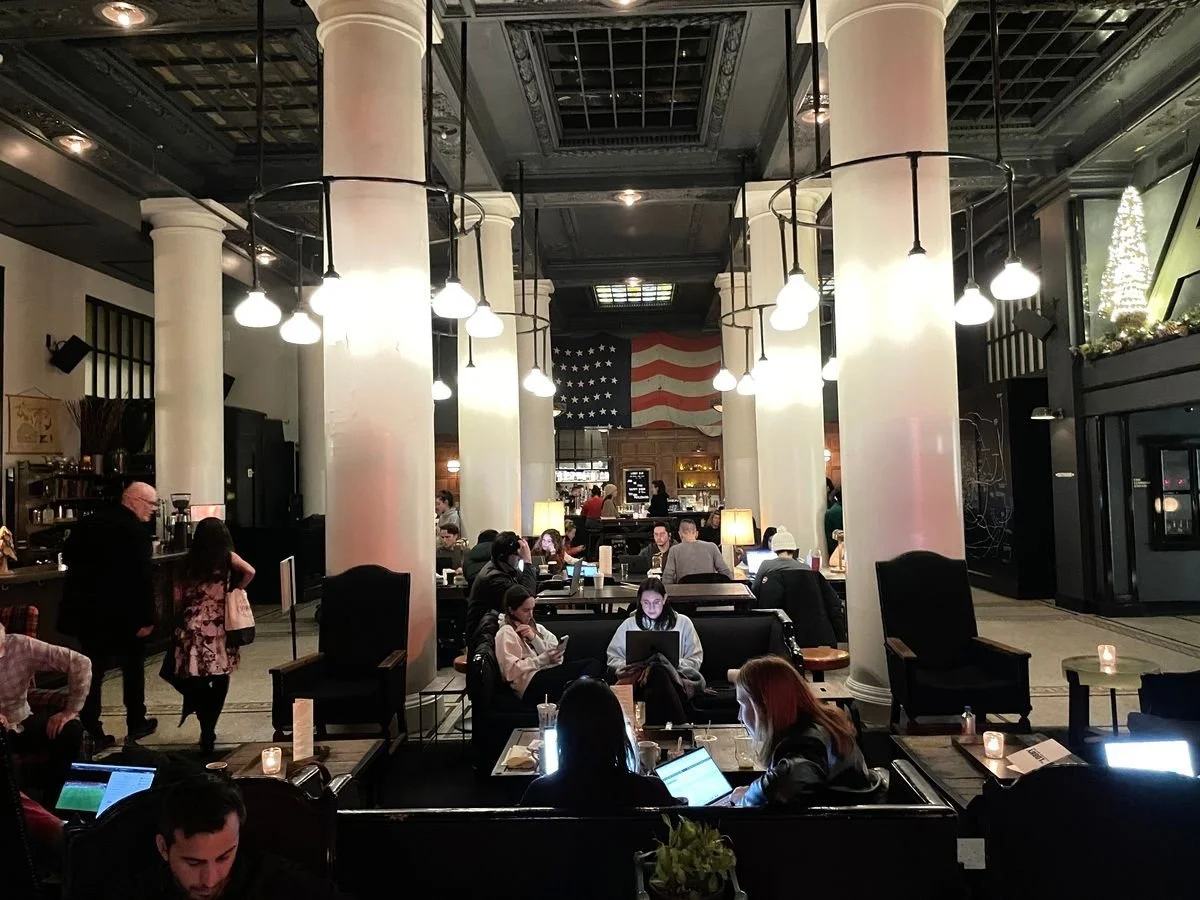
The lifestyle hotel with the strongest competitive position is the one the city has claimed as its own. The lobby in the Ace Hotel, NYC.
Repositioning: When the Position Has Drifted
Many lifestyle hotels arrive at a positioning conversation not at the beginning of their development but in the middle of their operating life, when the original position has drifted through market pressure, ownership change, or the gradual accumulation of decisions that were each individually reasonable but collectively incoherent. Repositioning an operating hotel starts with an honest audit of what the hotel actually is rather than what the original positioning documents said it would be.
The repositioning timeline matters as much as the repositioning strategy. A hotel that tries to reposition too quickly alienates the guests who chose it for what it was and confuses the staff who were hired for a different identity. The most successful lifestyle hotel repositions happen over two to three years, with deliberate signaling at each stage about the direction the hotel is moving.
The Positioning Work Is Never Finished
A position is not a statement. It is a set of ongoing commitments, made daily through operational decisions, programming choices, hiring decisions, and community investments, that either confirm and deepen the position or quietly erode it. The hotels that hold the strongest lifestyle positions in their markets are the ones whose leadership treats positioning as a live strategic discipline rather than a completed creative project. They ask the positioning question at every major decision point: does this choice confirm or contradict what we have committed to be?
