
The Brand Is the Asset: Hotel Branding Strategy That Builds Lasting Value
Most hotels have a logo and a color palette and call it a brand. The properties trading at the highest premiums built something fundamentally different.
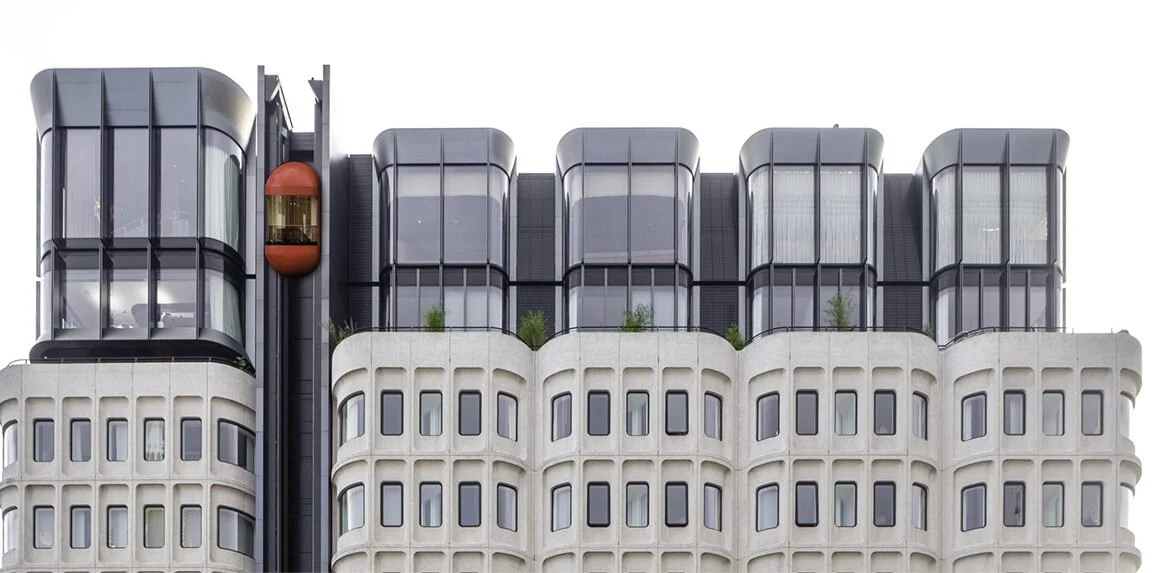
A hotel brand is not what the property looks like. It is what the market believes the property means. (pictured, The StandarLondon)
Brand is the most misunderstood concept in hotel development and operations. Owners treat it as a marketing function. Operators treat it as a standards compliance exercise. Designers treat it as an aesthetic brief. None of those framings capture what brand actually is in the context of a hospitality asset: a promise that a specific guest will pay more to access, return to access again, and tell other people is worth accessing.
When a hotel brand works, it does something that no amount of rate discounting, OTA optimization, or renovation spending can replicate. It creates a reason for a specific guest to choose this property over every alternative, at a rate that reflects the value of the experience rather than the pressure of competitive supply. Hotel branding strategy, done at the level that produces those outcomes, is a fundamental decision about who the hotel exists for, what it means to them, and how every element will work together to deliver that meaning consistently enough that the market believes it.
What a Hotel Brand Actually Is
A hotel brand exists in the gap between what a property is and what the market believes it to be. The brands that generate the most durable rate premiums share a specific characteristic: they have a point of view specific enough to attract a defined guest and repel everyone else. The Aman brand does not try to be for everyone. Neither does The Standard, or Soho House, or Graduate Hotels. The specificity of their positioning is the source of their commercial power, because it allows a guest who self-identifies with what the brand represents to feel that they have found their hotel rather than a hotel.
A guest who feels that a hotel is their hotel will pay more for it, book it more often, forgive its failures more readily, recommend it more enthusiastically, and resist competitive alternatives more persistently than a guest who simply found it acceptable. The lifetime value differential between those two guests is substantial, and it is almost entirely a function of brand quality.
The Five Components of a Hotel Branding Strategy That Works
The positioning foundation is the first component: a specific, defensible answer to the question of who this hotel is for and what it uniquely offers them. 'Sophisticated travelers who appreciate authentic local experiences' is not a positioning. It is a description of half the people who stay in hotels. A positioning that can be used to make decisions has to be specific enough to be exclusive.
The narrative layer is the second component: the story that gives the positioning meaning beyond the functional. Why does this hotel exist? What does it believe about hospitality, about the city it occupies, about the relationship between a guest and a place? The narrative is the internal brief that tells every person working on the hotel what they are building and why.
The visual and sensory identity is the third component. Visual identity matters, but its function is to make the positioning and narrative visible rather than to create meaning independently. A logo and a color palette in the service of a strong positioning are a powerful communication tool. Applied to an undefined positioning, they are decoration.
The hotels that trade at the highest premiums did not build a brand by choosing good fonts. They built it by making a specific promise to a specific guest and keeping it with discipline.
The service and operational identity is the fourth component and the most consistently underweighted. The brand is delivered, ultimately, through people. Service identity means defining what the brand's values look like in human behavior: what the staff notices, what they say, what they do when something goes wrong, and what kind of person the hiring criteria are designed to attract. The communication strategy is the fifth component: how the brand speaks, to whom, and through what channels. A hotel trying to speak to everyone is speaking to no one.
The Rate Premium Mechanism
The rate premium that a strong brand commands builds as the market accumulates evidence that the hotel consistently delivers what its brand promises. By year three of disciplined brand execution, a hotel will typically sustain a measurable ADR premium that reflects the market's belief that this hotel is worth more than its functional comparables. A hotel sustaining a 15 percent ADR premium over its competitive set across a ten-year hold generates meaningfully more cumulative revenue than an identical hotel trading at parity, with most of that additional revenue falling directly to NOI.
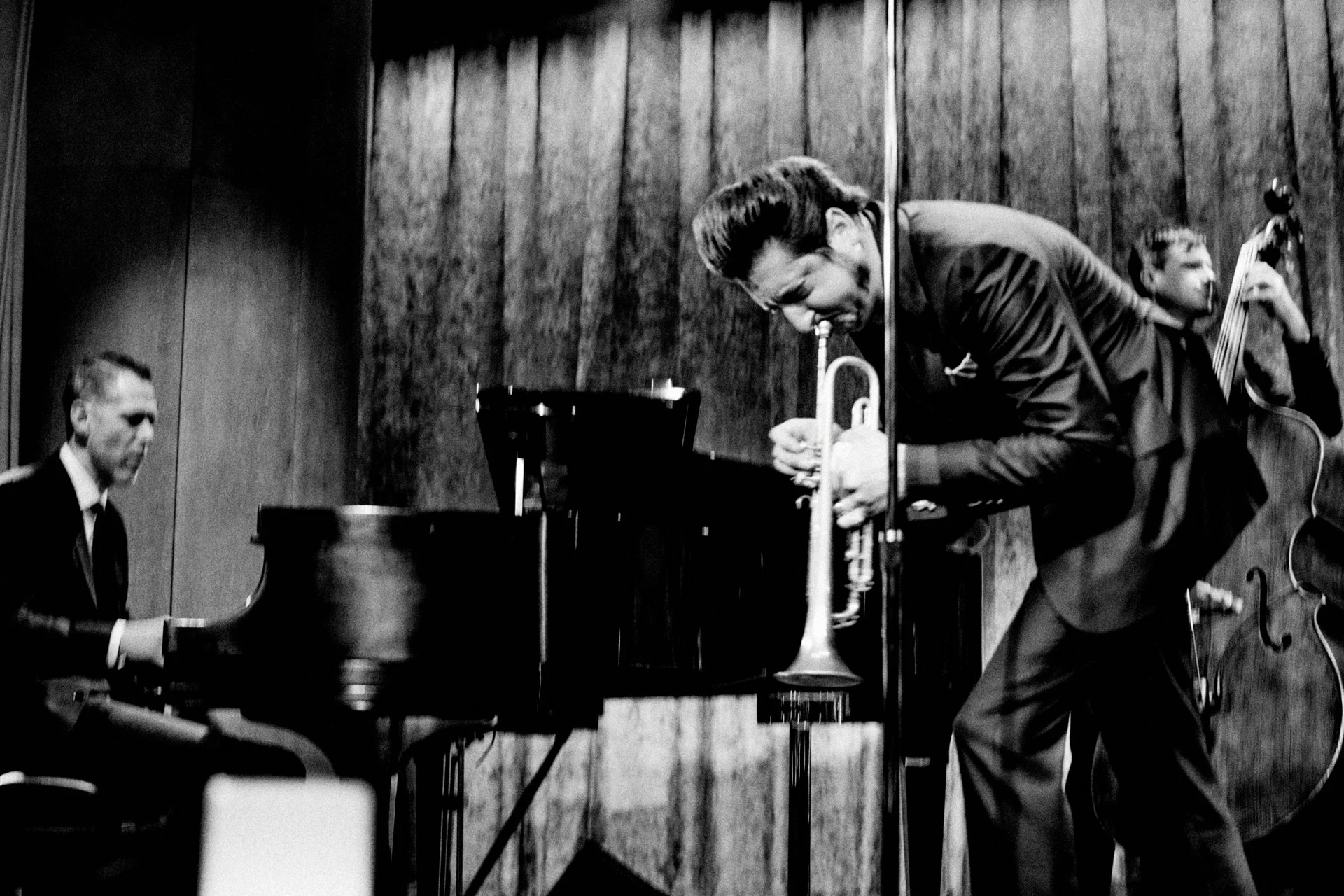
A brand is not expressed in what a hotel says about itself. It is expressed in what guests experience when they arrive. Brian Newman performing at The Jazz Club, in Aman NYC.
Where Hotel Branding Strategy Most Commonly Fails
The most common failure mode is not bad creative work. It is inconsistency of application. A brand expressed brilliantly in the lobby design and website photography but falls apart at the check-in desk, in the restaurant's service culture, and in the post-stay communication has not built a brand. It has built an expectation the operation consistently fails to meet, which is worse than no brand promise at all.
The second failure mode is brand drift: a series of individually reasonable decisions that are collectively incoherent. A new F&B concept that reflects the incoming F&B director's taste rather than the brand's identity. A renovation that prioritizes the designer's aesthetic rather than the positioning brief. A marketing campaign that chases a different guest segment because occupancy was soft in Q3.
For the storytelling framework that keeps a brand narrative alive through operational change, see hospitality storytelling
For the positioning decisions that determine how a hotel occupies a specific market niche, see lifestyle hotel positioning
For how brand intent translates into operational reality across every guest-facing function, see creative direction in hospitality
Brand as Infrastructure, Not Ornament
The frame that produces the best outcomes in hotel branding strategy is treating brand as infrastructure rather than ornament. Infrastructure is built before the building opens, maintained with consistency across ownership and management transitions, and evaluated by its contribution to long-term asset performance rather than by its aesthetic quality in any given moment.
The investment required to build brand infrastructure is front-loaded and requires a commitment to discipline that most hospitality organizations find genuinely difficult to maintain. The return is a hotel asset that competes on meaning rather than price, generates loyalty rather than transactions, and sustains the rate premium that makes the asset worth holding and worth buying.
