
CX 101: Restaurants
Good food is the price of entry. What keeps guests coming back is everything that surrounds it.
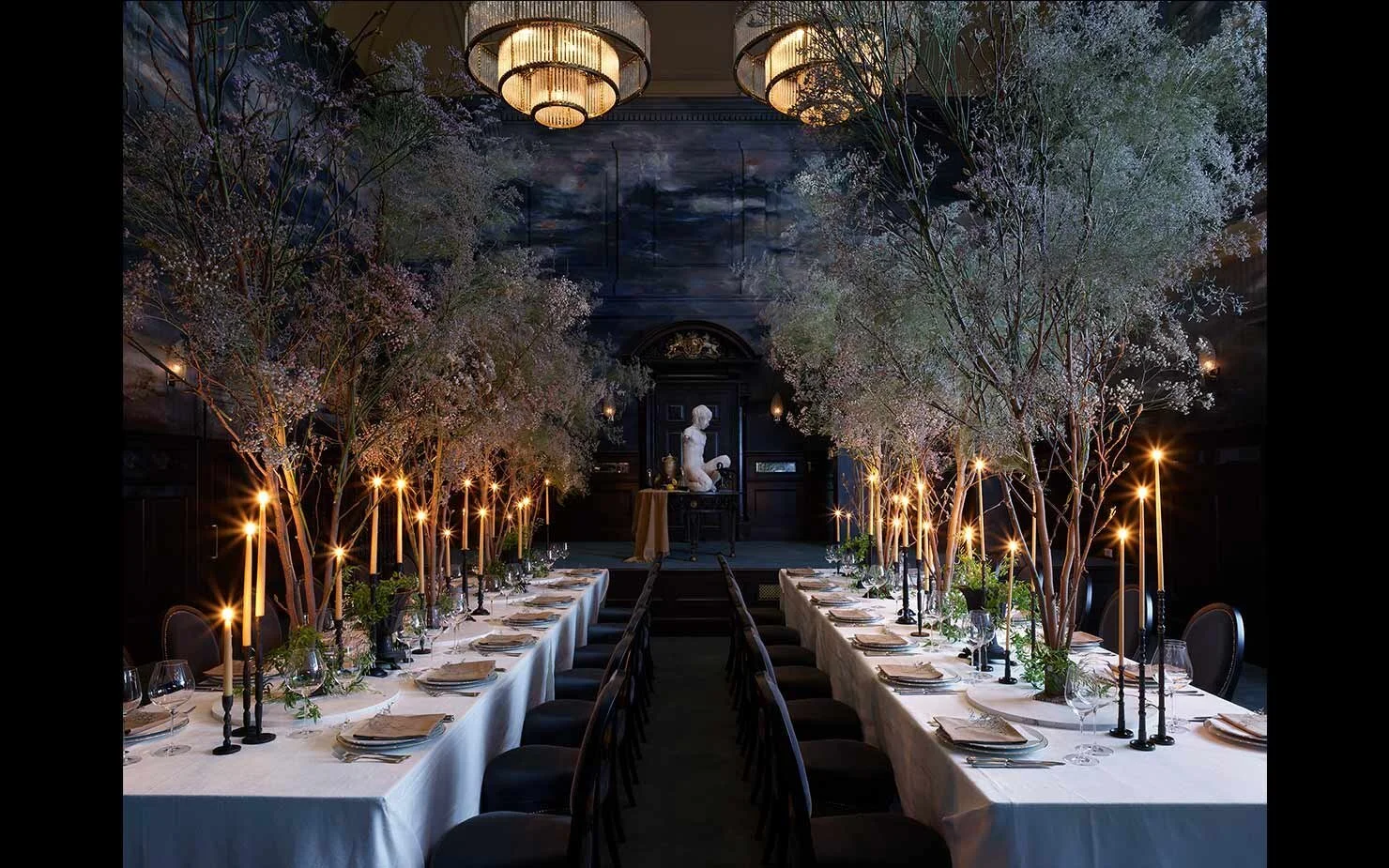
estaurant CX is not what is on the plate. It is what the guest feels from the moment they walk in to the moment they decide whether to come back. (photo: Nomad London)
Customer experience in restaurants is often conflated with service quality, and service quality is often conflated with attentiveness and speed. These matter, but they are a narrow slice of what actually determines whether a guest has a memorable experience, leaves a positive review, and makes a reservation for next month.
Restaurant CX is the full arc of what a guest feels from the first contact through the departure and the days after it. Every point in that arc is a design decision, whether the restaurant made it consciously or not.
The Five Principles
1. The first thirty seconds set the table for everything.
The greeting at the door carries disproportionate weight in how a guest evaluates the entire meal. Warm, unhurried, and specific: knowing the name, acknowledging the occasion if there is one, moving with purpose, signals to the guest that they are expected and valued. Indifferent or transactional signals the opposite, and that signal is difficult to recover from regardless of how good the food is.
2. Pacing is an experience design decision, not just an operational one.
The tempo of a meal shapes how the guest feels about it. Too fast and the guest feels processed. Too slow and anticipation curdles into frustration. The best restaurants manage pacing as a deliberate choice that reflects the kind of experience they are creating. Both quick and slow can be right. Neither should happen by accident.
3. Staff knowledge is a hospitality tool, not just an operational requirement.
A server who knows the menu with genuine depth, can explain the sourcing of a dish, and has a real opinion about what to order is delivering a guest experience that no level of kitchen excellence can replicate on its own. Knowledge expressed with warmth and judgment is one of the most powerful CX tools a restaurant has, and it is free.
4. Recovery matters more than flawlessness.
Every restaurant has service failures. What separates good CX from excellent CX is not the absence of failures but the quality of the recovery. A table that experiences a problem and sees it handled with speed, ownership, and genuine care often leaves with a stronger impression than a table where nothing went wrong.
5. The departure is the last impression and most restaurants abandon it.
The check, the coat retrieval, the farewell at the door. These are the final moments and they are disproportionately weighted in how guests remember the meal. A departure that feels rushed or transactional undoes much of the goodwill built during the meal. The last thirty seconds deserve the same design attention as the first thirty.
The CX Metric That Matters Most
Repeat cover rate is the single most important CX metric in restaurant operations. A guest who returns is no longer a guestt, but a client, whose experience was good enough to choose again over all other options. Tracking the percentage of covers from returning guests tells an operator more about what is working than any post-meal survey.
