
CX 101: Retail
The only reason a customer comes to a physical retail space instead of buying online is because the physical experience offers something the screen cannot. Most retailers have not figured out what that is.
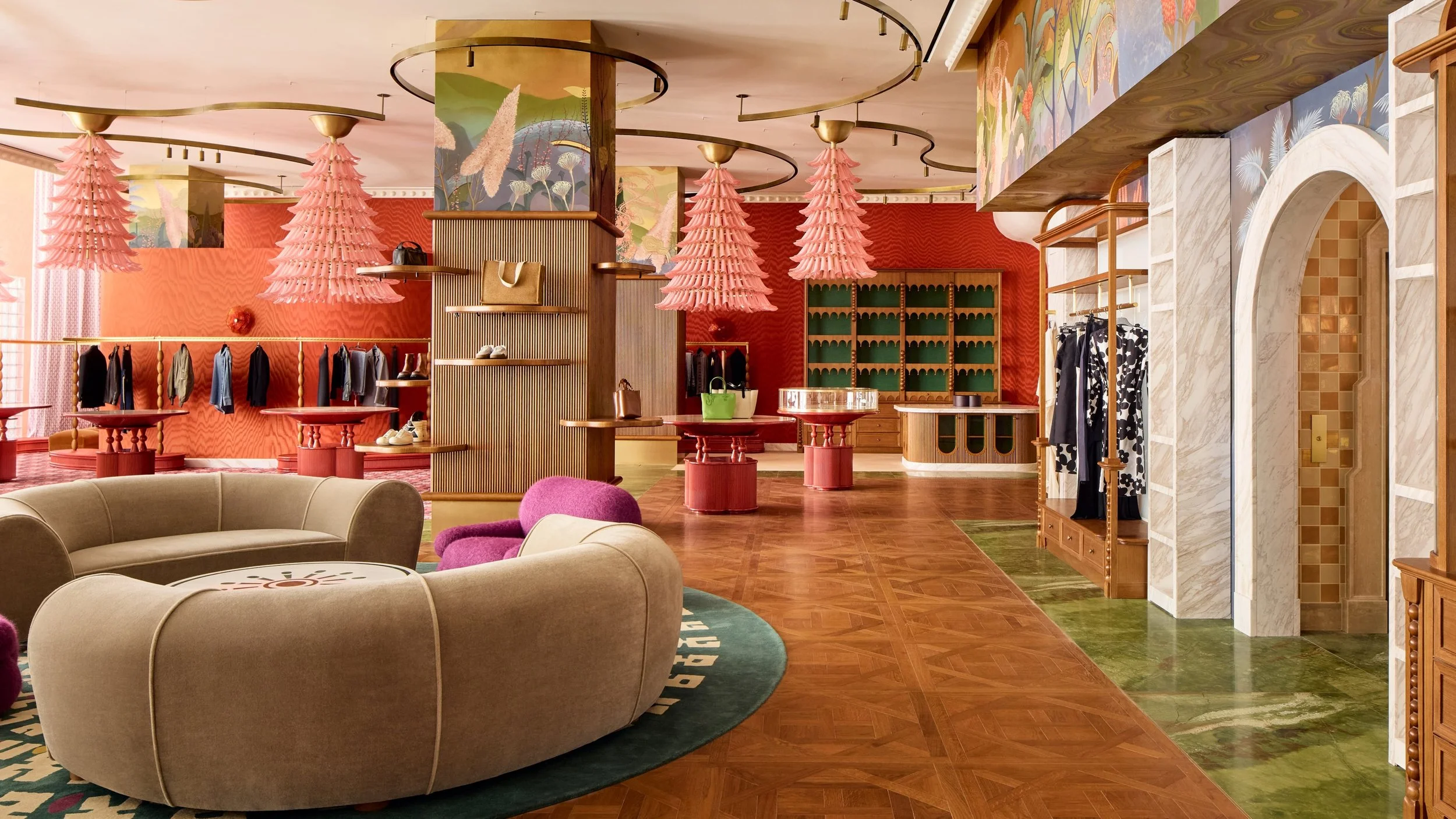
Retail CX in 2026 is not about making it easy to buy. It is about making it worth showing up. (photo: Printemps Paris)
Physical retail has survived the shift to e-commerce not because of convenience, which online will always win on, but because of experience. The stores that are growing are the ones that have made the physical visit itself worth the trip. The stores that are struggling are the ones still competing on convenience and selection against an opponent that will always have more of both.
Customer experience in retail is the sum of what a visitor feels from the moment they encounter the brand through the moment they decide whether to return. Every element of the physical space, the staff behavior, and the post-visit communication is a CX decision.
The Five Principles
1. The reason to visit has to exist before the reason to buy.
The physical retail spaces with the strongest CX metrics are destinations before they are stores. They offer something the customer cannot get online: a sensory experience, a community, a perspective on how to use or wear or live with the product. The visit justifies itself independent of a purchase, which paradoxically makes purchase more likely because the customer is relaxed, engaged, and already invested.
2. Curation is a hospitality act.
Editing what is offered, and presenting that selection with care, tells the customer that the retailer has done the work of discernment on their behalf. A tightly curated retail floor with a clear point of view communicates confidence and respect for the customer's time. Less, arranged well, is almost always the stronger CX position.
3. Staff are experience designers, not transaction processors.
The most powerful CX tool in any physical retail environment is a staff member with genuine knowledge, genuine enthusiasm, and the ability to read a customer well enough to know when to engage and when to leave them alone. Training that focuses exclusively on product knowledge without addressing the human skills of reading and stepping back produces staff who over-explain to browsers and under-serve those who want guidance.
4. Transitions are high-risk moments.
The shift between browsing and purchasing, and between purchasing and leaving, are the points in retail CX where experience most commonly breaks down. A great browsing experience followed by a slow checkout or indifferent payment interaction downgrades the overall impression. Transitions deserve design attention proportional to their impact.
5. The post-visit relationship determines lifetime value.
A customer who buys and never hears from the brand again has a transactional relationship. A customer who receives communication that is relevant, well-timed, and genuine has the beginning of a brand relationship. The difference in lifetime value between those two customers is significant, and the cost of building the second relationship is mostly a function of intention rather than budget.
Where Retail CX Connects to Hospitality
Retail within a hotel or mixed-use environment has a specific CX dynamic: the customer is already in the brand's environment and already in a receptive emotional state. The retail experience in a hotel lobby or ground floor is not competing for destination status. It is competing for attention within an environment the customer has already chosen. That context makes curated, experience-led retail significantly more effective than merchandise-heavy retail optimized for transaction volume.
