
Why Hotels Are Stuck in a Cultural Rut: And How Cultural Architects Can Break the Cycle
The global hotel industry has never been more operationally sophisticated, and hotel differentiation strategy has never been more difficult to execute. It has also never been harder to tell most hotels apart. That is not a coincidence.
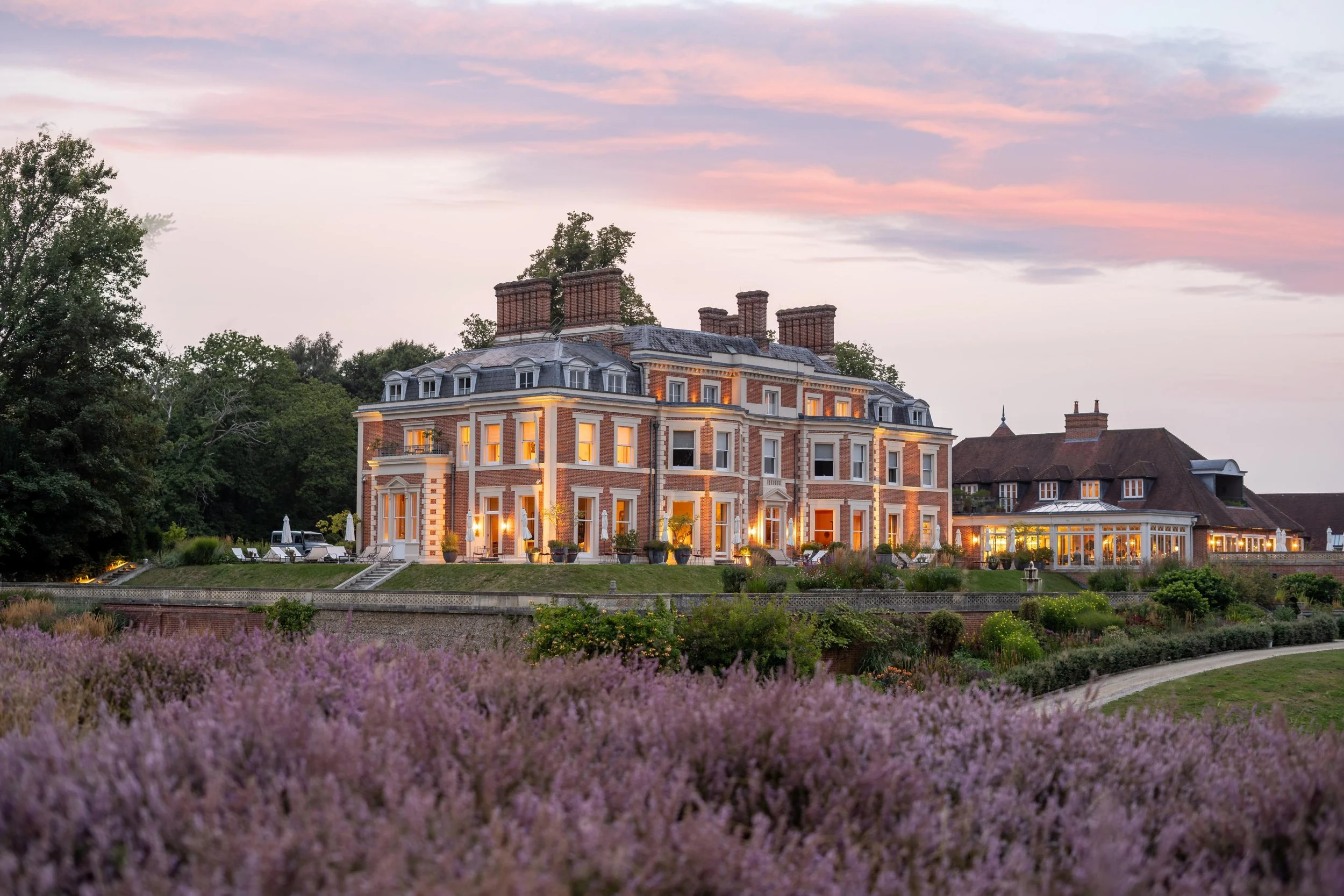
Most hotels are exceptionally well built to operate. Increasingly, they are difficult to distinguish. (photo: Heckfield Place, Hampshire, UK)
The global hotel industry is operating in one of the most competitive and rapidly evolving environments in its history. Market saturation has increased across nearly every segment, from economy lodging to ultra-luxury destinations. Global brands continue expanding portfolios to capture incremental share, while independent operators attempt to differentiate in markets increasingly dominated by large distribution ecosystems. At the same time, guest expectations are evolving faster than traditional hospitality models were designed to accommodate.
Travelers today evaluate hotels not only against other hotels, but against restaurants, residential environments, private clubs, retail concepts, and digital platforms that shape lifestyle expectations. Cultural relevance, emotional resonance, personalization, and identity now influence booking decisions alongside price and location. Technology adds another layer of disruption. Artificial intelligence and automation are transforming operational efficiency, guest communication, and personalization capabilities. But technology alone does not create meaning or identity. It can improve service delivery. It cannot solve the deeper challenge of differentiation.
The central question facing owners, operators, and investors is increasingly clear: how do you create a hotel that stands out, remains culturally relevant, and sustains long-term value in a crowded market where everyone is chasing the same signals?
This is the gap that the concept of the cultural architect in hospitality is designed to solve.
How the Industry Arrived Here
To understand the current moment, it helps to trace how the modern hotel industry evolved through distinct phases of scale, segmentation, and financial structuring. The differentiation problem the industry faces today is not accidental. It is the cumulative result of choices that made perfect sense in the context they were made and that have compounded into a structural challenge that cosmetic solutions cannot resolve.
The first major wave of modern hospitality expansion was defined by consistency at scale. Early global leaders such as Hilton and Marriott built networks around a simple but powerful promise: wherever you traveled, you could expect a reliable baseline experience. Standardized operating procedures, repeatable room prototypes, centralized procurement, and brand standards created trust with travelers and efficiency for operators. This model succeeded because the dominant customer need was predictability. The industry effectively industrialized hospitality, and it was exactly the right thing to do at the time.
As travel demand expanded, the industry began segmenting more aggressively by price point. Franchising became a defining structure. Brand standards evolved into scalable operating systems that could be licensed, allowing entrepreneurial owners to enter hospitality by affiliating with established brands. This accelerated global footprint growth and reinforced standardized approaches, because consistency across portfolios was essential for brand credibility.
A separate wave then strengthened. Companies such as Four Seasons and Ritz-Carlton elevated service philosophy and emotional engagement, focusing on personalization, anticipatory service, and hospitality culture as core differentiators. This era reinforced the notion that hospitality could transcend product consistency and become an experience defined by care, atmosphere, and human connection. As hospitality matured into a recognized real estate asset class, financialization deepened. Institutional investors, private equity firms, and asset managers entered ownership structures. Performance began aligning more closely with financial reporting cycles, and initiatives demonstrating visible improvement within shorter timelines gained more traction than initiatives requiring longer-term cultural investment.
The cumulative result is today's industry: highly sophisticated operating models, standardized brand systems across vast portfolios, often with operators, ownership groups, asset managers, and capital partners all influencing decisions simultaneously, and a widening gap between operational sophistication and cultural differentiation. Many hotels are exceptionally well built to operate. Increasingly, they are difficult to distinguish.
The Modern Differentiation Problem
Across conversations with leadership teams from both global hotel organizations and independent ownership groups, a consistent concern emerges: properties struggle to stand out in meaningful ways. Despite capital investment, repositioning efforts, and marketing initiatives, many hotels find themselves competing primarily on location, price, or loyalty incentives rather than identity. The issue is not simply competitive density. It is a fundamental shift in guest perception and behavior that the industry's existing frameworks were not designed to address.
Modern travelers are significantly more culturally aware and experience-driven than previous generations of hotel consumers. They do not approach hotels solely as places to sleep. They evaluate them as environments that reflect lifestyle, identity, taste, and aspiration. A hotel is increasingly perceived as a cultural product rather than a functional service. Social media platforms provide continuous visibility into hospitality environments worldwide, producing a new type of consumer literacy. Guests develop intuitive awareness of design quality and originality, social energy and atmosphere, brand credibility and authenticity. Even when travelers cannot fully articulate what differentiates one hotel from another, they perceive differences quickly and make decisions accordingly. Guests are effectively conducting continuous competitive analysis through their phones, whether consciously or not.
The industry has moved from a world where hotels were evaluated through brochures and star ratings to one where properties are continuously compared through cultural perception.
The industry's response to this pressure has followed a recognizable pattern. Renovations update aesthetics. New restaurant partnerships launch. Branding systems refresh. Influencer collaborations appear. These efforts are logical. They demonstrate movement and investment. They create short-term attention. For a period of time, perception improves. Then normalization returns, and guests perceive that the hotel still feels fundamentally similar to what it was. The pattern reveals a deeper issue. The challenge is not effort. The challenge is structure.
This is the same structural gap explored in depth in the 10 rules for hotel rebranding and future-proofing
The House Analogy: Why the Industry Keeps Repainting
To understand the distinction between what the industry is doing and what it actually needs to do, consider a homeowner who recognizes that their house no longer meets their needs. Perhaps their family has grown. Perhaps they host guests more frequently. Perhaps the way they live has evolved. The house still functions, but it feels constrained and outdated.
There are two possible responses. The first response is cosmetic. The homeowner repaints the walls, replaces the furniture, updates the lighting, and refreshes the decor. The changes are visible and satisfying. They signal progress to visitors. Such changes feel like a meaningful investment. But they do not change how the house functions. The rooms are still the same size. The flow is still the same. The house still cannot accommodate the new way the family wants to live.
The second response is structural. The homeowner decides to build a new addition. This requires engaging an architect who understands not just what the homeowner wants the addition to look like, but how it needs to integrate with the existing structure, how it will affect the flow of the whole house, how the plumbing and electrical and structural systems need to be rerouted and reinforced to support what is being added. The process is more complex. It requires a different quality of thinking than choosing paint colors. When it is done well, the house is fundamentally different. It functions in a new way. It supports behaviors it could not support before. It is worth more, not because it looks better, but because it has become more capable.
The global hotel industry keeps choosing the first response. Properties undergo repeated cosmetic updates intended to signal change while the underlying cultural and experiential structure remains intact. New lobbies. New restaurants. New branding. New photography. The paint is different. The furniture is different. The house is the same. Understanding why requires examining the three forces that keep hotels in this cycle.
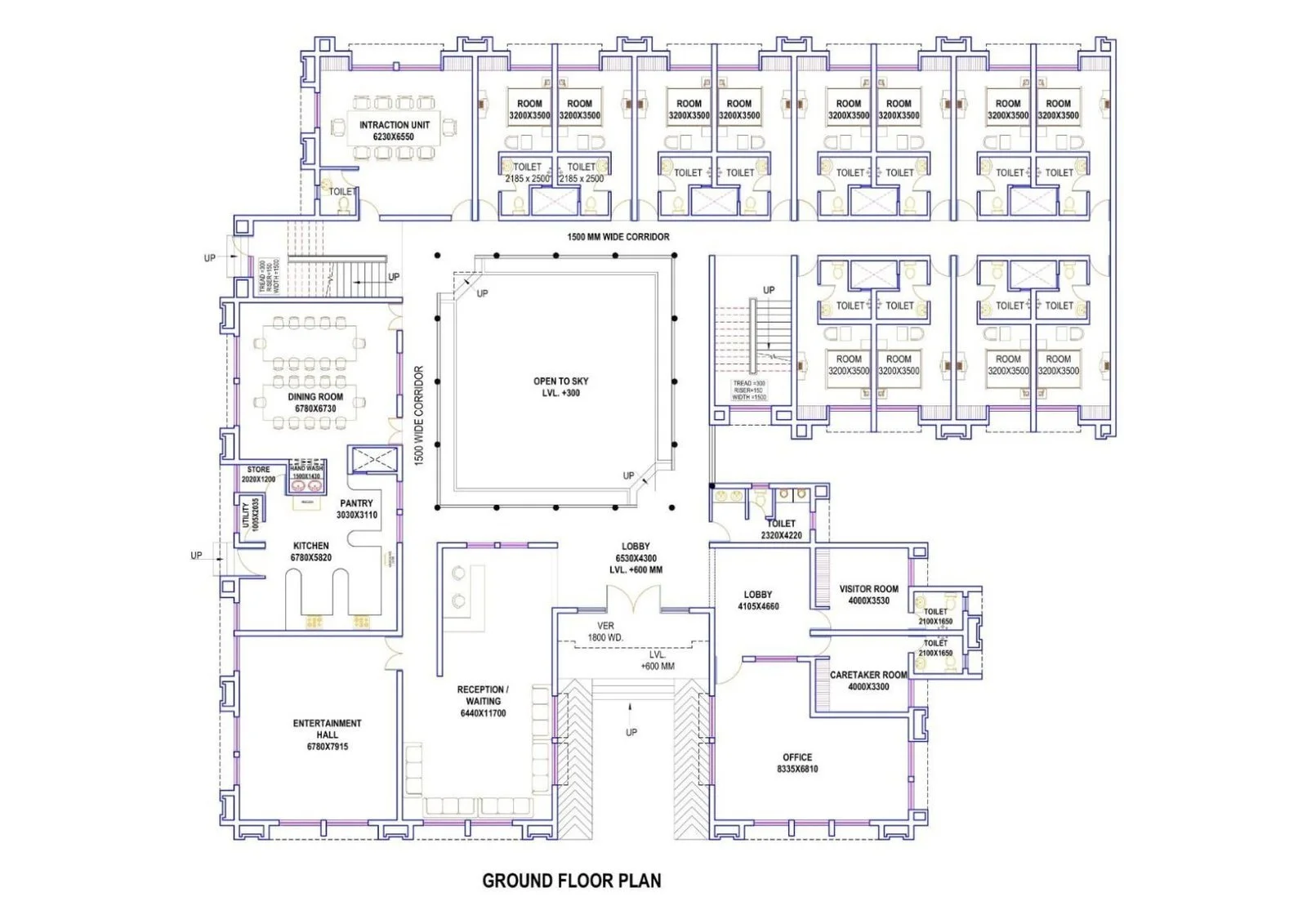
Cosmetic change makes a hotel look different. Structural change makes a hotel function differently. Only one of those compounds into lasting value.
Three forces explain why the industry defaults to the first response every time.
VECTOR ONE
Internal Rigidity: The Systems That Create Consistency Also Prevent Transformation
Large hotel organizations operate through complex ecosystems of brand standards, operational procedures, training frameworks, departmental hierarchies, and governance structures. These systems are essential for consistency and scalability. They are also the primary reason that genuine cultural transformation is so difficult to initiate from inside them.
Hospitality is a profession with defined career pathways. Executives rise through corporate environments or formal hospitality education systems. These pathways produce highly capable professionals trained in operations, finance, and service delivery. But they reinforce internal perspectives in specific ways. Professionals may spend decades operating within hospitality ecosystems. Their expertise is deep and specialized within industry boundaries. Exposure to adjacent cultural disciplines, including fashion, art, experiential design, music, retail culture, and cultural trend formation, is often limited not because of incuriosity but because the career structure does not require it and the operational demands of the job leave little margin for it.
When organizations seek transformation, they frequently rely on teams shaped by the same systems they are attempting to evolve. Hotels expect radically different outcomes from structurally similar inputs. The internal teams tasked with reinvention are skilled in execution and brand consistency, which is exactly what makes them good at their jobs and exactly what makes them the wrong people to lead a cultural innovation process. Execution capability does not equate to cultural invention capability. Creating culturally differentiated concepts requires interdisciplinary thinking that spans anthropology, psychology, design, and genuine cultural fluency. External perspective is not optional. It is structural.
Layered decision-making processes compound the problem. Governance structures designed to manage risk naturally suppress experimentation. Cultural innovation inherently involves uncertainty, and organizations optimized for predictability find it structurally difficult to embrace. The result is a homeowner who repaints repeatedly rather than undertaking a structural addition, not because they cannot see the need but because the decision-making apparatus around them is not built to support the more complex choice.
VECTOR TWO
Financial Pressure: When Capital Timelines Shape Creative Decisions
The second force influencing cultural stagnation emerges from financial structures that are entirely rational at the ownership level and collectively limiting at the industry level. Hotels increasingly operate within ownership frameworks shaped by institutional capital and portfolio management strategies. Performance is evaluated through quarterly and annual metrics. Capital allocation decisions are influenced by the reporting cycles that institutional investors require. Initiatives that demonstrate visible improvement within shorter timelines gain more traction than initiatives requiring longer-term cultural investment, not because the longer-term investments are less valuable but because they are harder to report on in the formats that matter to the capital structure.
The parallel in the house analogy is a homeowner under financial pressure. They recognize that the house needs a structural addition. They also know that the addition requires capital they cannot easily justify in the current reporting period. So they repaint the walls. The painting is affordable, visible, and defensible. It does not address the structural need. It does not increase the value of the house meaningfully. But it demonstrates that something is being done, which satisfies the immediate reporting requirement even as it compounds the longer-term problem. Capital structures rarely reward investments whose primary return is cultural perception rather than immediate financial movement.
Ownership groups pursue renovations and rebrands designed to signal improvement quickly rather than investments that create lasting differentiation. The result is recurring refresh cycles with diminishing returns. Each cycle improves the surface and leaves the structure unchanged. Each subsequent cycle produces a smaller return because the market has already discounted the surface improvements and is waiting, without being able to articulate what it is waiting for, for something that actually feels different. True transformation requires investment thinking aligned with long-term asset value. Homeowners who engage architects and planners to enhance their property holistically, rather than incrementally, create homes worth significantly more over time. Hotels that invest in structural cultural transformation generate compounding returns that cosmetic cycles cannot approach.
VECTOR THREE
Quick-Fix Thinking: The Bolt-On That Never Integrates
The third force is the reliance on external solutions that are added to a hotel rather than integrated into it, creating the appearance of change without altering perception. Hotels frequently partner with celebrity chefs, trendy restaurant operators, acclaimed designers, or lifestyle brands to inject relevance. These collaborations can generate significant attention. They can fill covers and create press moments that drive social content. What they rarely do is change how the hotel itself is perceived, because they operate independently of the hotel's core identity rather than as an expression of it. The result is not transformation but fragmentation: a kit of parts that do not reinforce one another.
The house analogy holds precisely here. Imagine building a beautiful, architecturally significant guest house on a property, but positioning it in the back corner of the lot with its own entrance, its own aesthetic, its own logic, disconnected from the main house in every meaningful way. The guest house may be impressive. In fact, visitors may prefer it to the main house. But it does not change what the main house is. It does not improve how the main house functions. The new addition now feels unconnected. It does not increase the value of the main house in proportion to its own quality, because the integration is missing.
A restaurant partnership that operates with its own identity, drawing a crowd that rarely, if ever, engages with the hotel brand, is the guest house in the back corner. A design collaboration that produces a lobby that could belong to any well-capitalized hotel in any city is the same. Alternatively, organizations sometimes attempt to solve this by creating concepts internally without adequate expertise or investment, expecting significant impact from teams that were not built for cultural invention. The outcome is predictable: limited impact, followed by another attempt at change, followed by another cycle of the same.
The Cultural Architect: Structural Thinking for a Structural Problem
Breaking this cycle requires the same shift in thinking that the house analogy describes: moving from a cosmetic response to an architectural response. And just as a homeowner undertaking a meaningful structural addition does not rely solely on their own judgment or on the contractor who painted their walls last year, a hotel seeking genuine cultural transformation needs a specific kind of partner.
A cultural architect operates at the intersection of business strategy, cultural intelligence, experiential design, and organizational behavior. This is not a branding agency arriving with a templated process that gets cut, iterated, and pasted from the last hospitality client onto yours. It is not a marketing consultant optimizing your channels without touching your identity, or an interior designer or programmer layering their aesthetic onto a brief that was never written. All of those contributors have a role. None of them can play this one. A cultural architect is a strategic partner focused on structural cultural alignment: someone who can see the whole property, the whole team, the whole market, and the whole guest as a single integrated system before making a single creative decision. The cultural architect is responsible for the macro logic that every other contributor executes against. In practice, this is the role that many successful lifestyle hospitality brands had implicitly during their creation, but that most existing hotels never formally engage.
Just as an architect integrates plumbing, electrical, structural, and aesthetic systems into a cohesive design that functions as a whole, a cultural architect integrates design direction, programming, partnerships, service philosophy, staff culture, and brand narrative into a unified experience that the guest feels rather than just sees. This is what a coherent hotel cultural identity actually feels like from the inside. The cultural architect sets the brief that all of the other contributors are working from, which is precisely what prevents the fragmentation that makes most hotel rebrands feel disjointed. When the design team, the F&B team, the marketing team, and the operations team are all working from the same brief, the hotel has a chance of feeling like it was built by one vision rather than assembled by a committee.
The work proceeds in four phases that parallel an architectural project.
Diagnostic analysis, first: an honest assessment of the property's foundations, its competitive context, its existing guest profile, its team's genuine capabilities, and the cultural landscape of the market it occupies. Cultural architecture design, second: defining the differentiation strategy, the experiential pillars, the partnership criteria, the programming philosophy, and the design direction that constitute the cultural identity the property is building toward. Integration and execution, third: aligning the physical spaces, the staff training, the service standards, the F&B identity, the communications, and the partnerships into a cohesive implementation that expresses the brief consistently across every touchpoint. Measurement and evolution, fourth: assessing performance through both financial metrics and cultural indicators such as brand perception and loyalty, and protecting the identity through every operational and leadership transition.
For the full framework on how creative protection works in practice across every guest-facing element, see creative direction in hospitality
What Structural Cultural Transformation Actually Produces
Hotels that move from cosmetic refresh cycles to structural cultural transformation achieve something that the refresh cycle is fundamentally incapable of producing: a compounding competitive position. Each year that a hotel holds a specific, coherent, genuinely differentiated identity adds evidence to the market's belief that this hotel is what it says it is. That evidence accumulates in earned media, in new guests who feel a genuine connection or attraction to the brand, in returning guests who trust the experience will be what they remember, in word-of-mouth that reaches exactly the guests the hotel is designed for, and in a rate premium that reflects genuine belief rather than promotional urgency.
The structural transformation also produces internal alignment that is less visible but equally important. A hotel that knows what it is and what it stands for gives its team something to believe in and build toward rather than just maintain. Staff who understand the cultural identity they are expressing serve from a fundamentally different place than staff executing generic service standards. Guests feel that difference in every interaction, even when they cannot name it.
For the positioning framework that determines what cultural identity a hotel can credibly inhabit, see lifestyle hotel positioning
For the brand foundation that makes a cultural identity durable rather than seasonal, see hotel branding strategy
For the narrative work that makes a cultural identity legible and compelling to the guest before they arrive, see hospitality storytelling
For operators ready to begin the structural transformation process, see 10 rules for hotel rebranding and future-proofing
The Decision Point
The hospitality industry stands at a genuine decision point. Not a rhetorical one, but a structural one. The competitive pressure, the evolving guest, and the accelerating pace of technological change are not temporary conditions that will resolve themselves when the market stabilizes. They are the permanent features of the environment that hotels will be competing in for the foreseeable future.
Many properties will continue repainting walls through renovation cycles and branding updates. Those efforts will provide temporary freshness. They will satisfy the short-term reporting requirements of the capital structures that govern them. They will not create lasting differentiation or compounding value, because they are asking cosmetic change to solve a structural problem.
The competitive gap between culturally coherent hotels and generic ones will widen, not narrow, over the next decade. Culture is not decoration. It is infrastructure. The hotels that will hold the strongest competitive positions in their markets five and ten years from now are the ones making structural cultural investments today, guided by partners who can hold the macro before the micro, who understand the whole system before touching a single element of it, and who have the creative and strategic range to build something the guest can feel before they read a word of marketing copy. One path produces temporary attention. The other creates lasting value. The question is which kind of homeowner you want to be. The one who keeps repainting. Or the one who builds something worth living in.
